
From Seeds to Skills: Permaculture Learning Takes Root
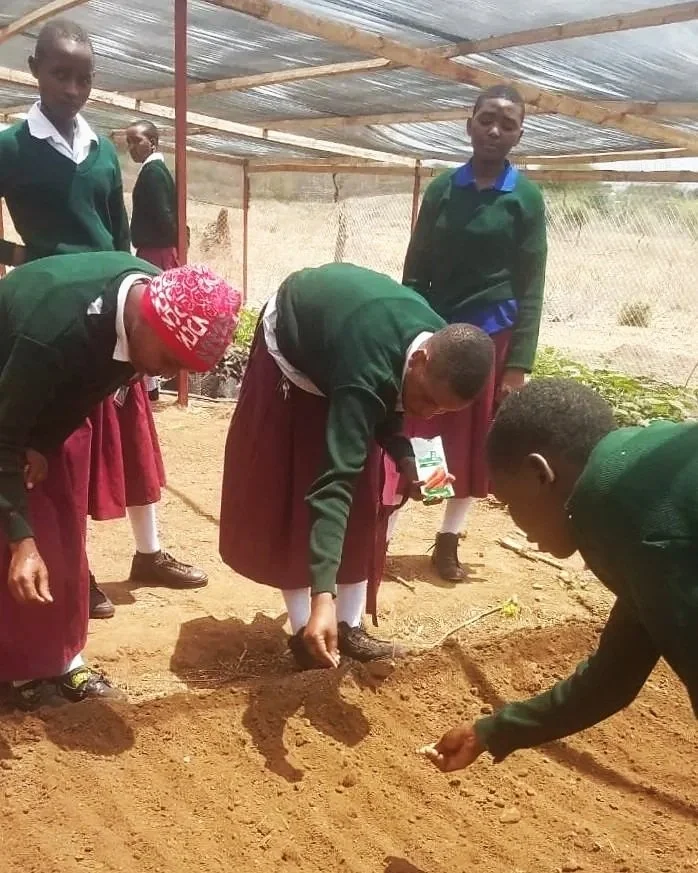
Students put permaculture lessons into practice through hands-on planting and garden preparation.
A seed may be small, but in the right hands it can become much more than a plant.
This week, students continued turning permaculture lessons into practical experience, working directly in the garden and nursery to learn how food and trees can be grown and cared for sustainably. From planting seeds and preparing garden beds to tending young trees, each activity is helping build skills that can be carried well beyond the garden.
The gray garden nursery remains at the heart of this work. More than 2,000 tree seedlings had already been raised, and this week the nursery expanded again with 570 mango and avocado seedlings, 150 Moringa seedlings, and 50 Neem seedlings.
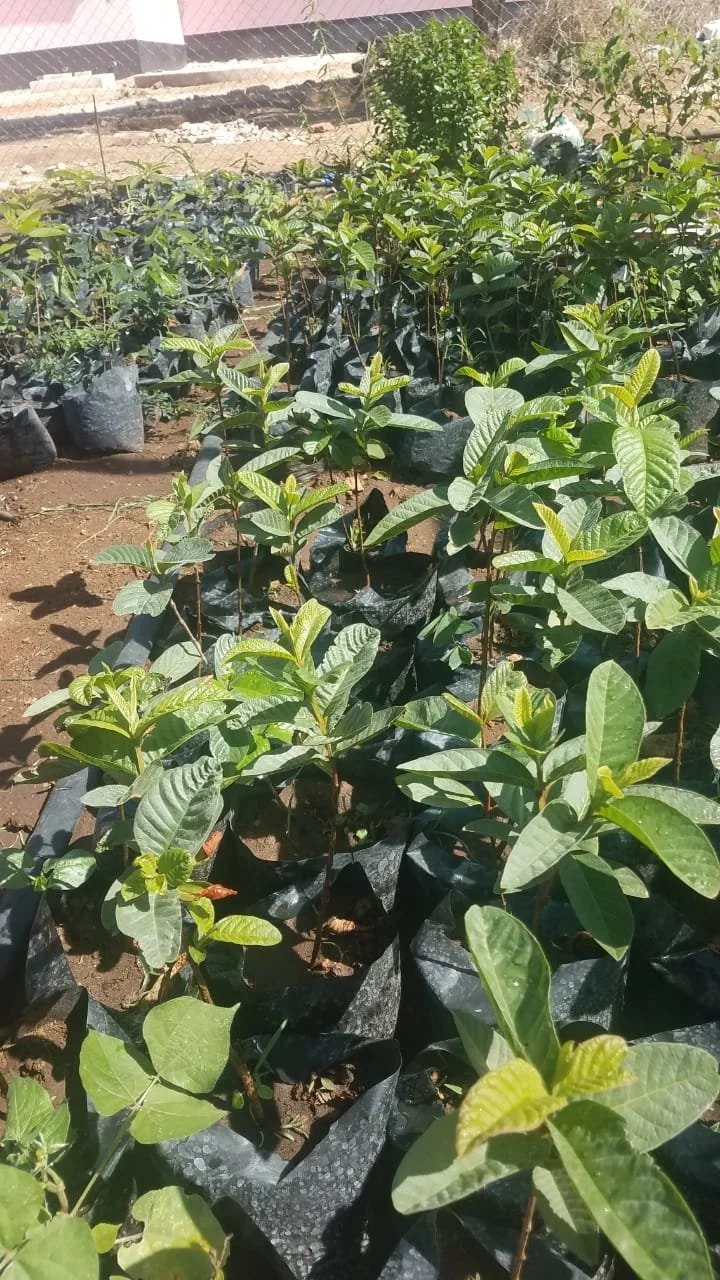
The nursery continues to expand, building a supply of young trees for future planting.
That means hundreds more young trees are now being prepared for future planting, with the potential to contribute to fruit production, agroforestry, and environmental restoration.
But producing seedlings is only part of the story.
Students are taking part in weekly practical training, learning how to water and care for seedlings, improve soil fertility with manure, and monitor plants for signs of pests and disease. In the demonstration garden, raised beds are also being prepared for vegetable production, creating a hands-on learning space for sustainable food growing and soil management.
The learning is reaching beyond the students, too.
At the Endepesi garden, a follow-up visit brought the project together with women participating in the community garden. Working side by side, participants prepared garden beds, planted seeds, and shared practical knowledge about vegetable production and garden management.
Taken together, these activities show what permaculture can look like in practice: planting trees, growing food, caring for the soil, and sharing useful knowledge.
Every seedling tended and every garden bed prepared represents an opportunity to keep that knowledge growing, supporting practical education, community participation, environmental conservation, and household food security.