Our Approach:
Four Interconnected Pillars
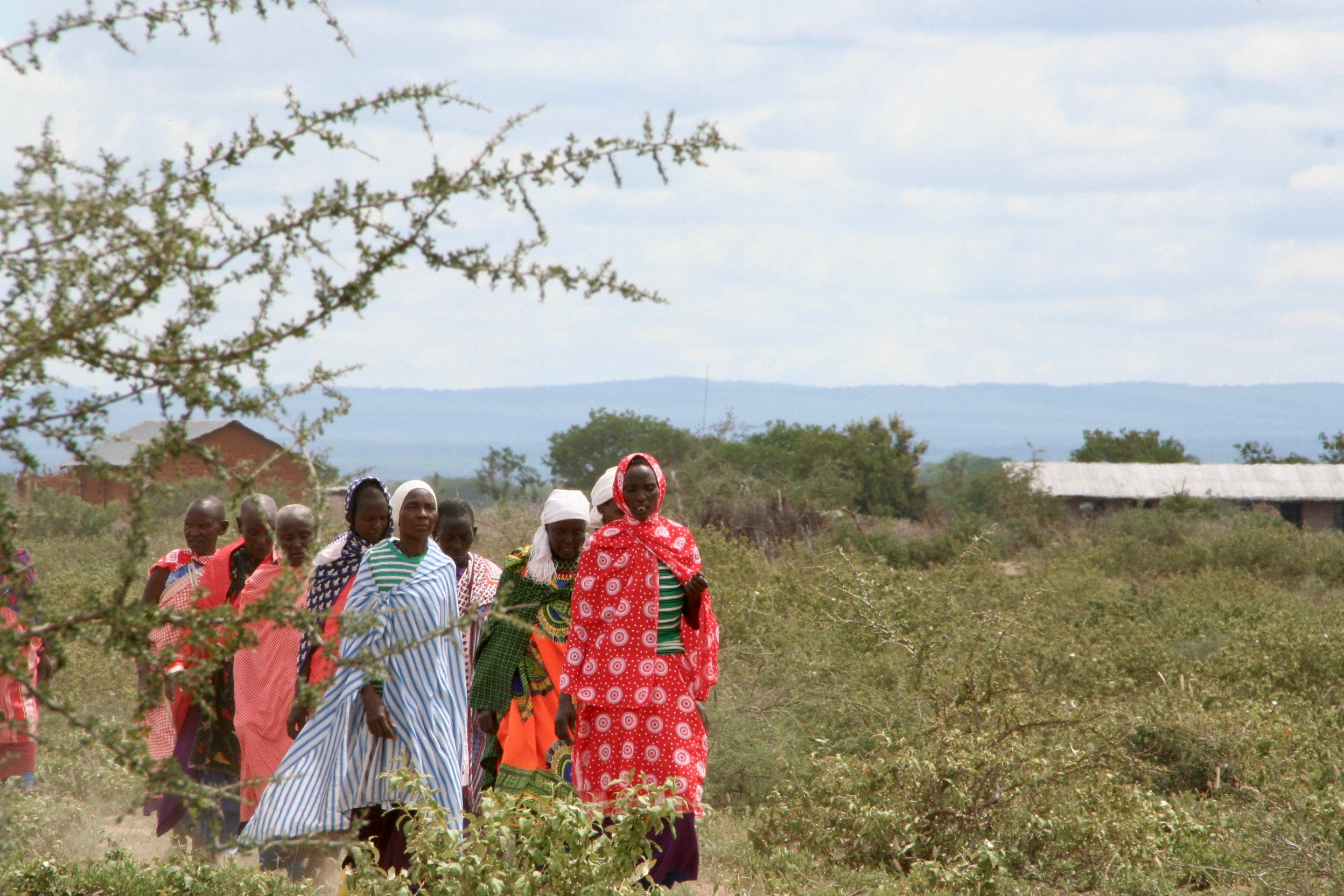
For more than 20 years, Humanity for Children has partnered with communities across East Africa to improve health, expand educational opportunities, empower women, and create healthier living environments. Much of our work takes place alongside Maasai communities in northern Tanzania, where we collaborate with local leaders, healthcare providers, schools, and families to address challenges and create sustainable solutions.
Our programs are guided by four interconnected pillars. Together, these pillars reflect our belief that lasting change is most effective when it is community-led. Rather than bringing outside answers, we listen, build relationships, and support initiatives driven by the priorities and strengths of the communities themselves.
Each project is designed to strengthen families, improve quality of life, and create opportunities for future generations.
Maternal & Newborn Health
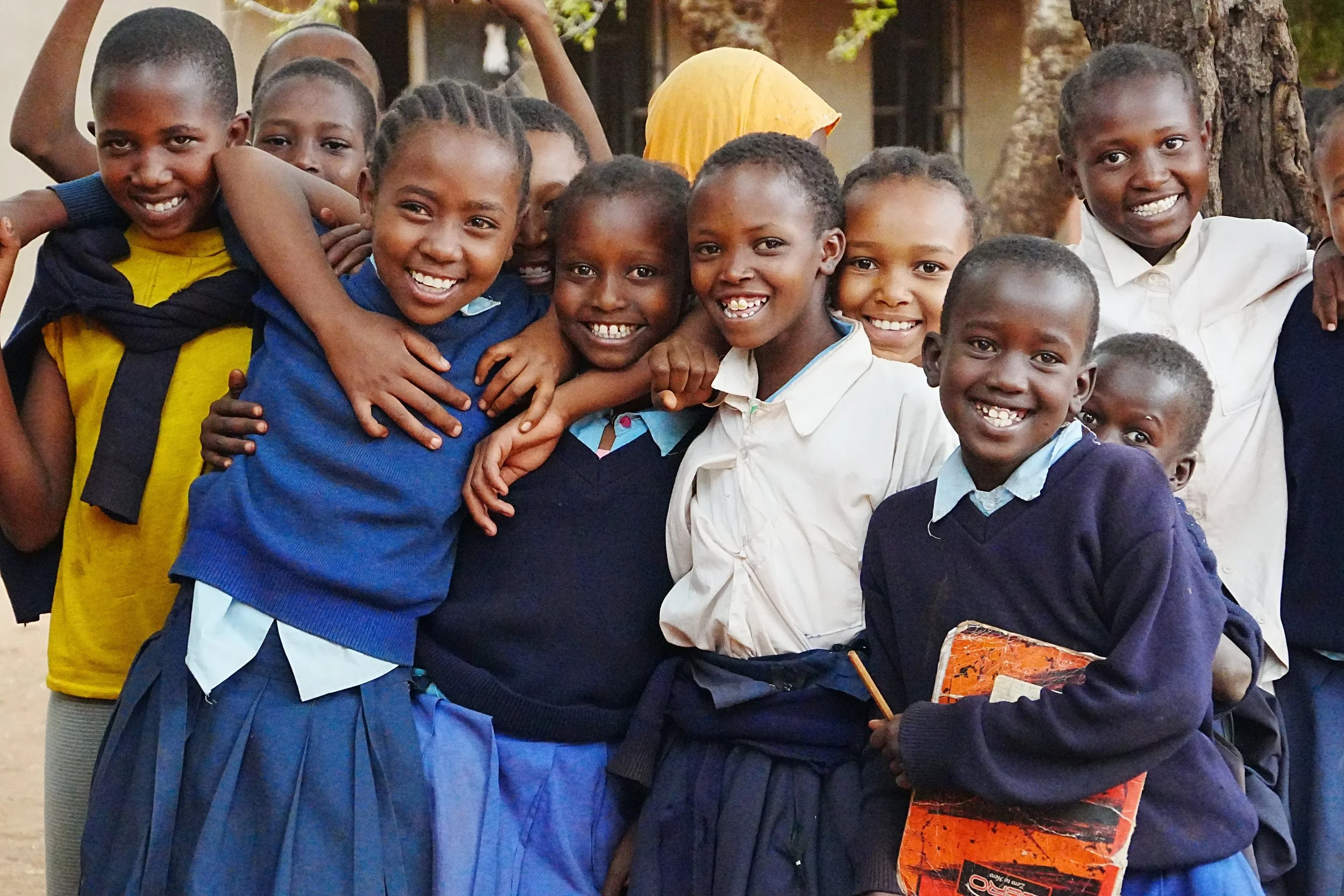
Education & Youth Empowerment
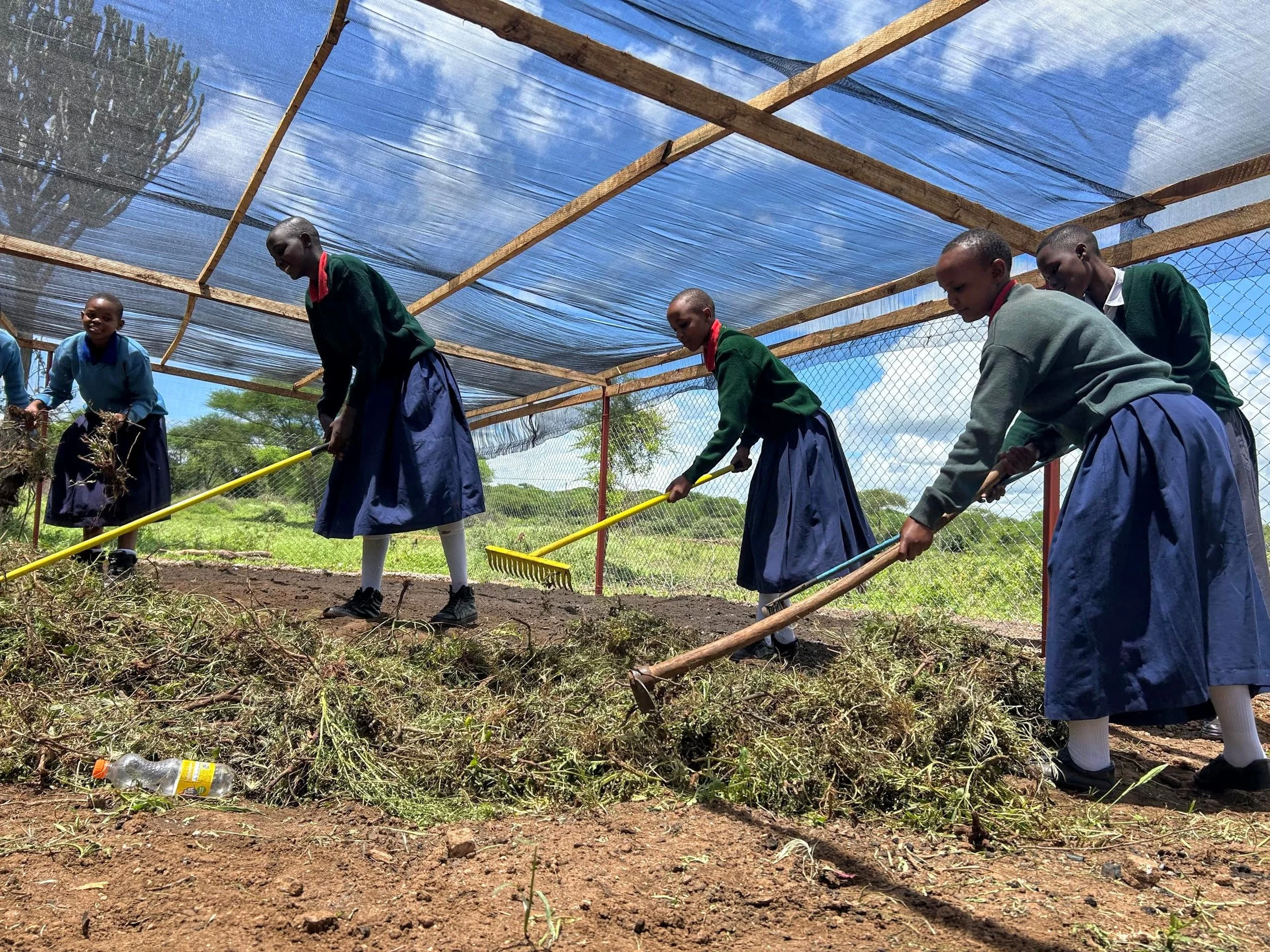
Environmental Health & Sustainability
Women's Empowerment & Advocacy
We help mothers and babies receive dignified, safe, and life-saving care.
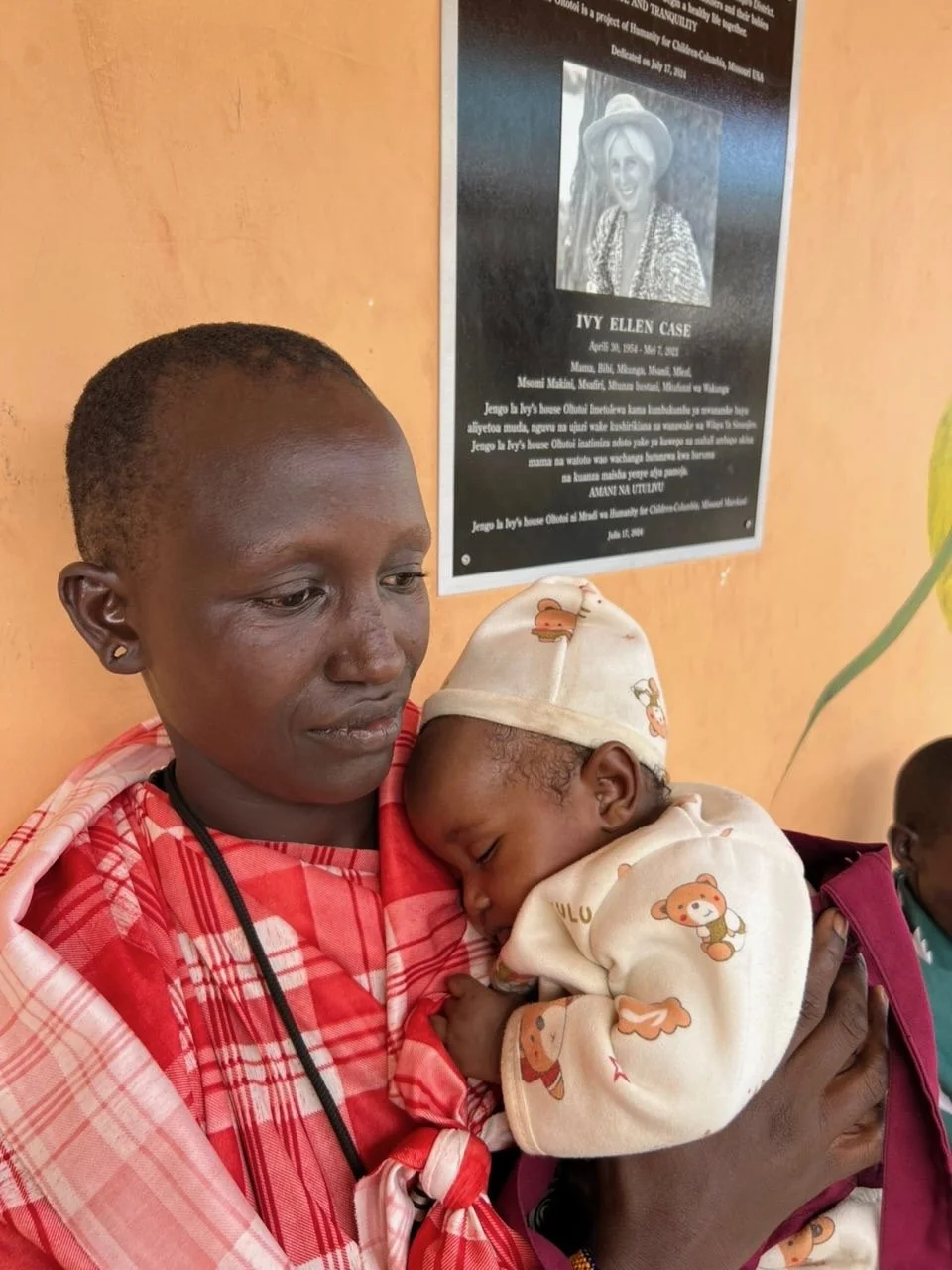
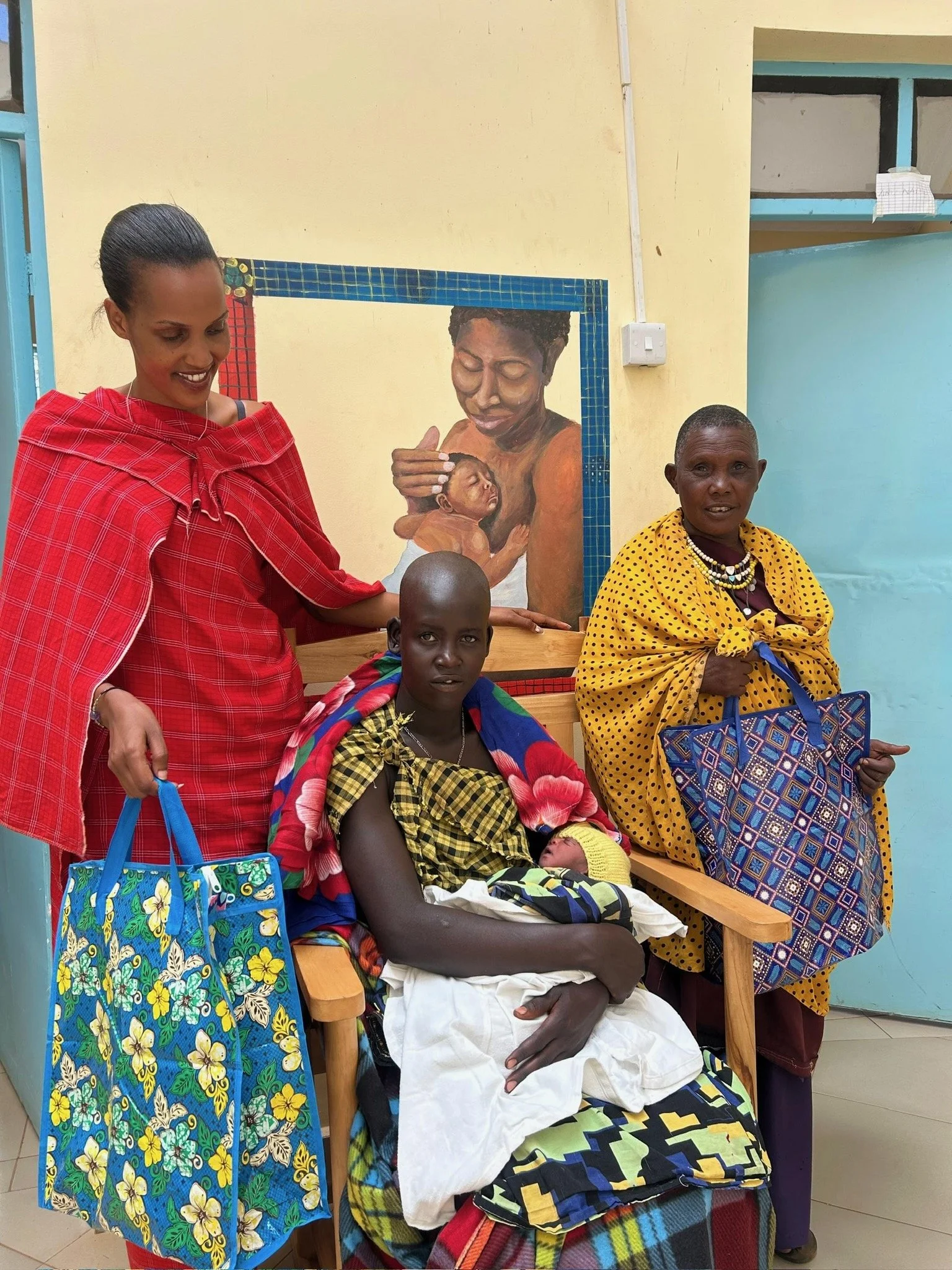
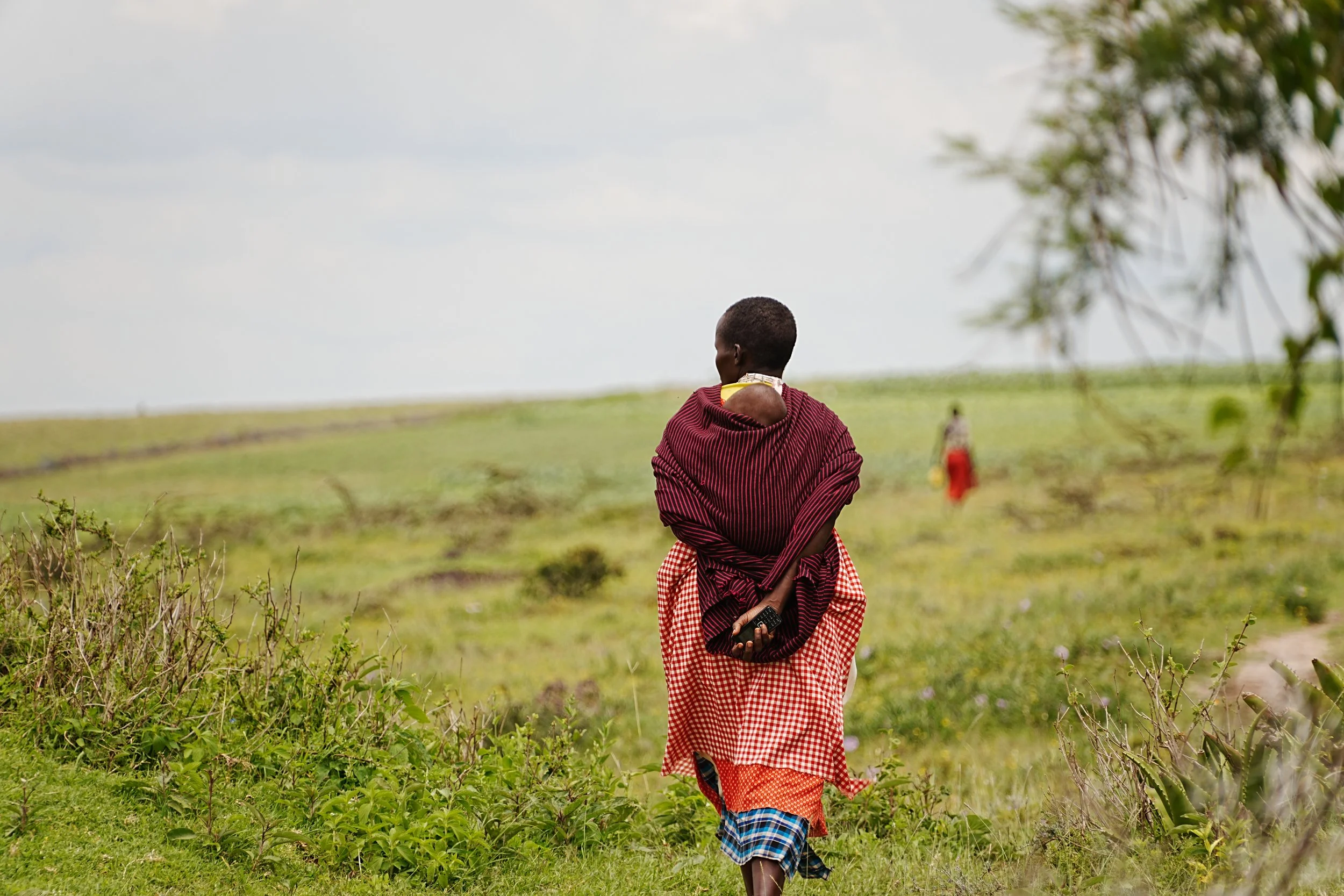
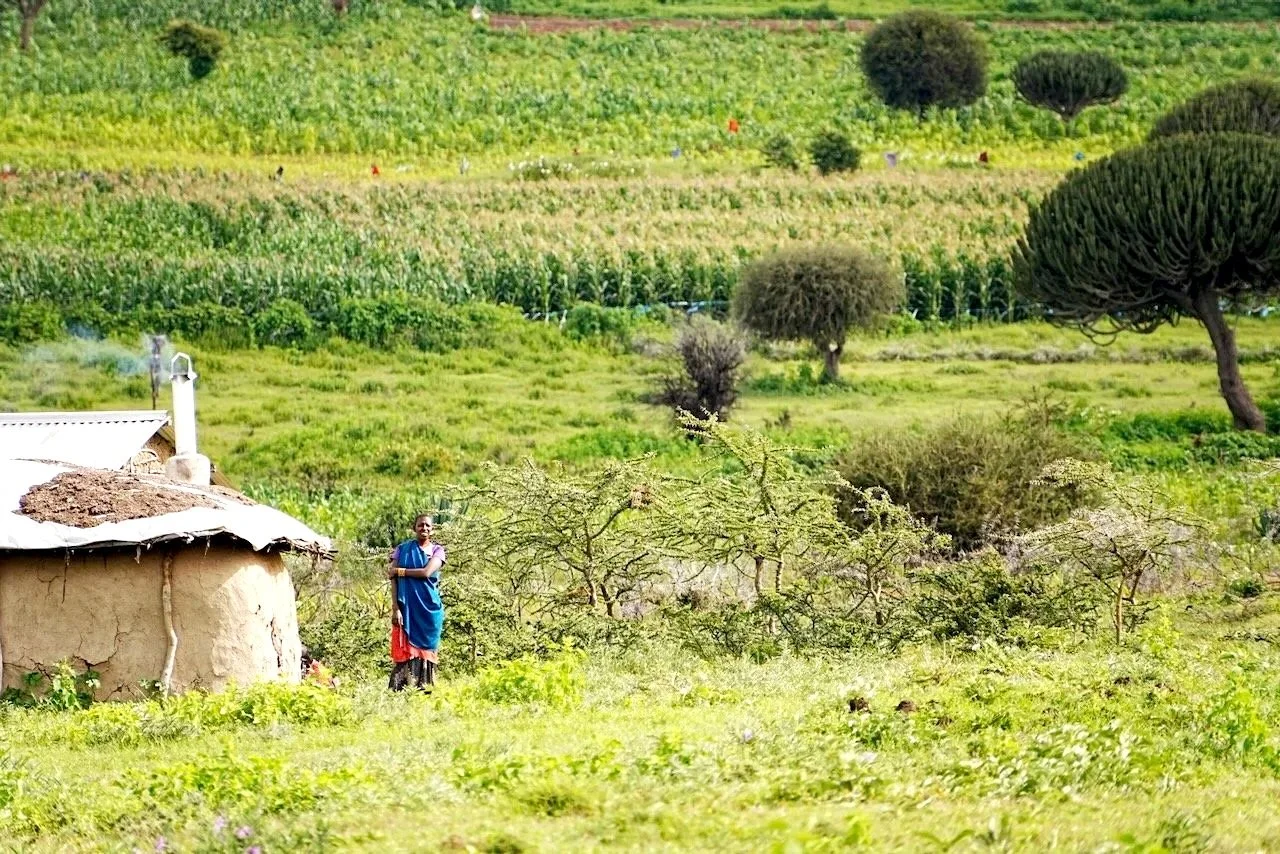
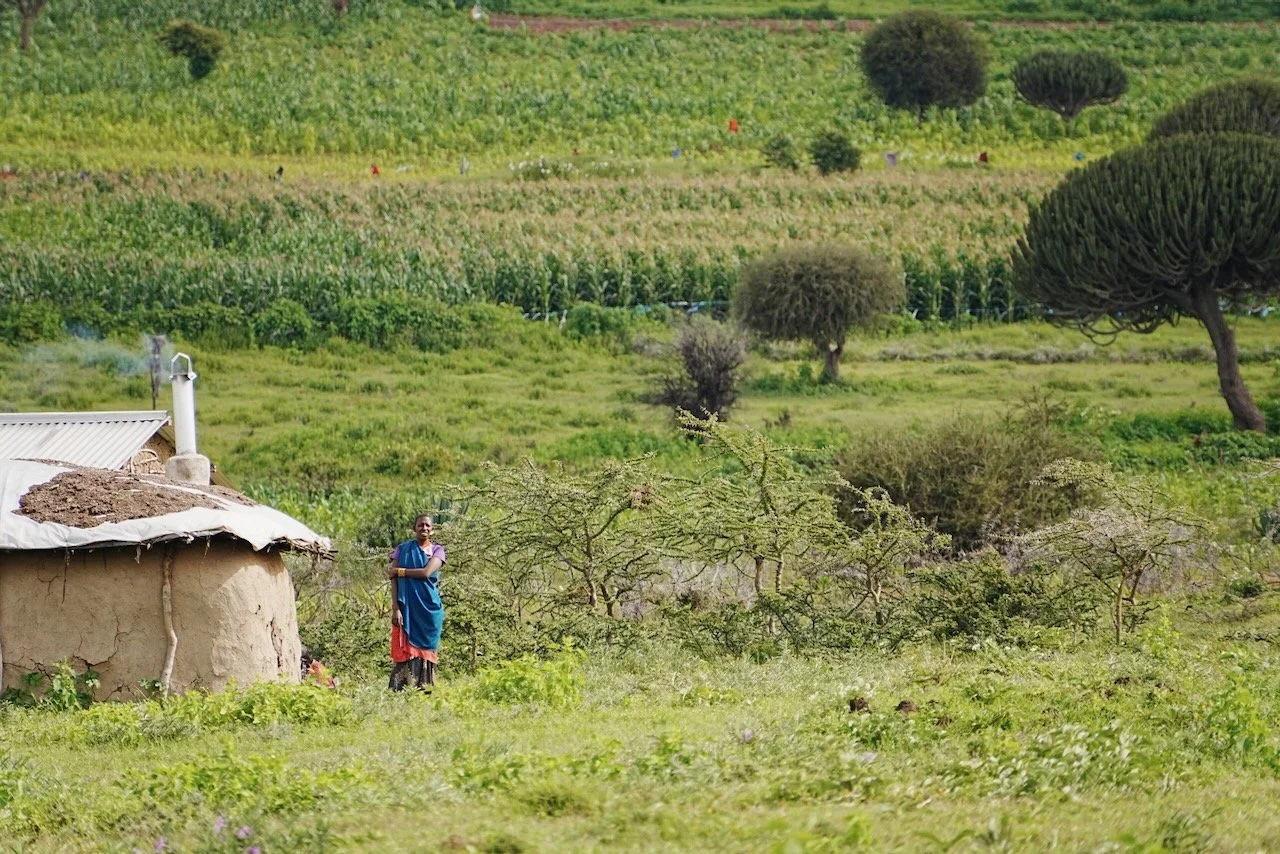
At Humanity for Children, we believe every new life deserves a safe beginning. In the remote regions of Maasailand, Tanzania, many mothers traditionally give birth in homes made of mud and dung, far from medical assistance. To change this, we’ve created an initiative that is as simple as it is powerful.
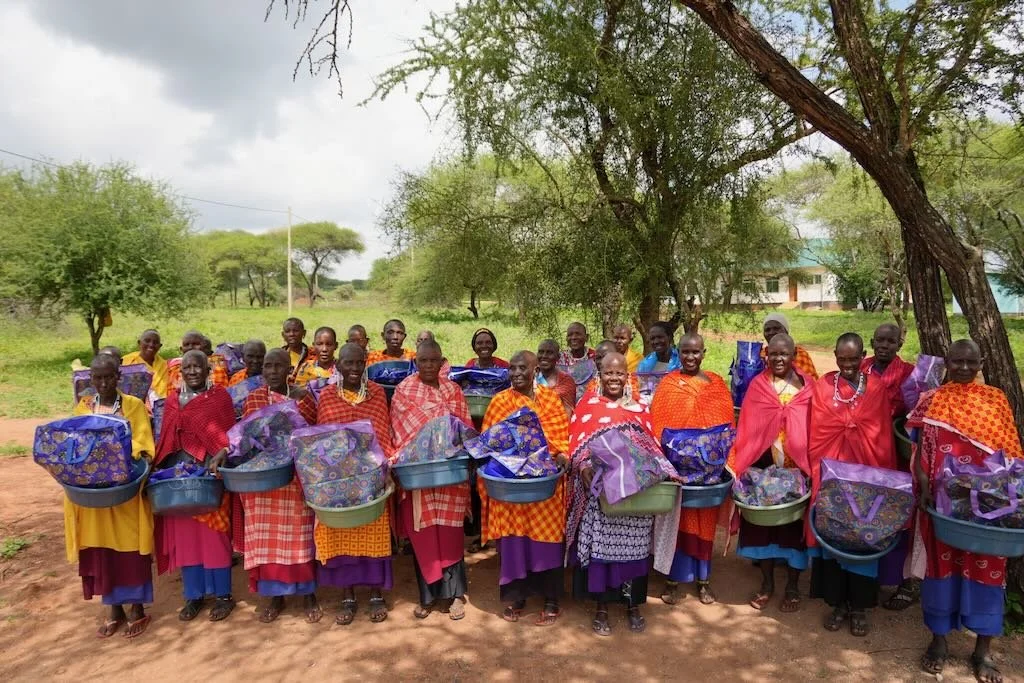
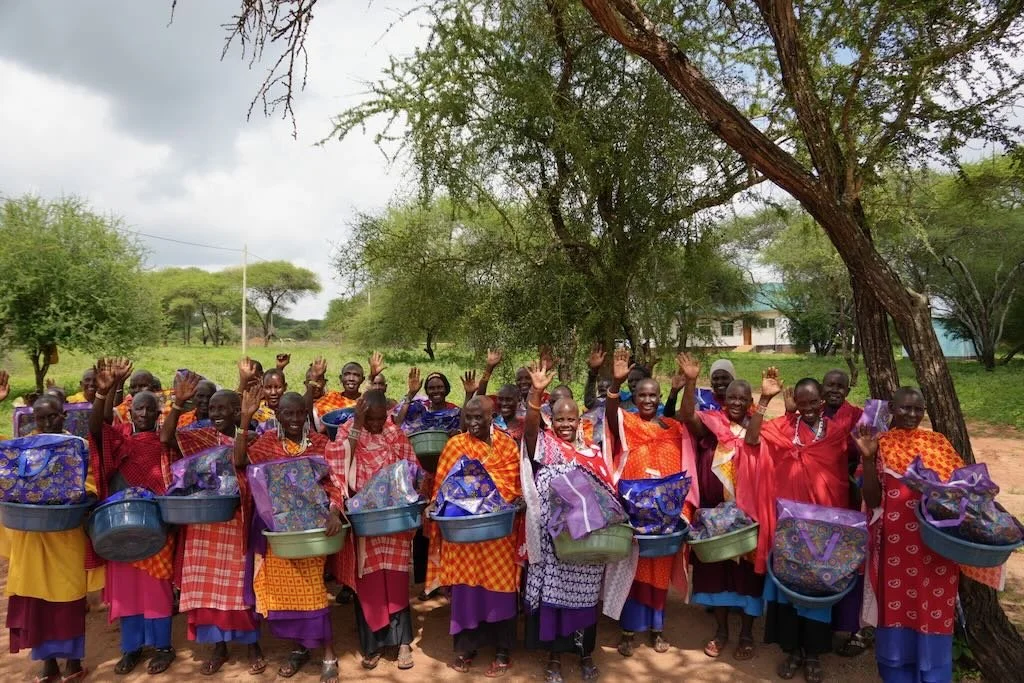
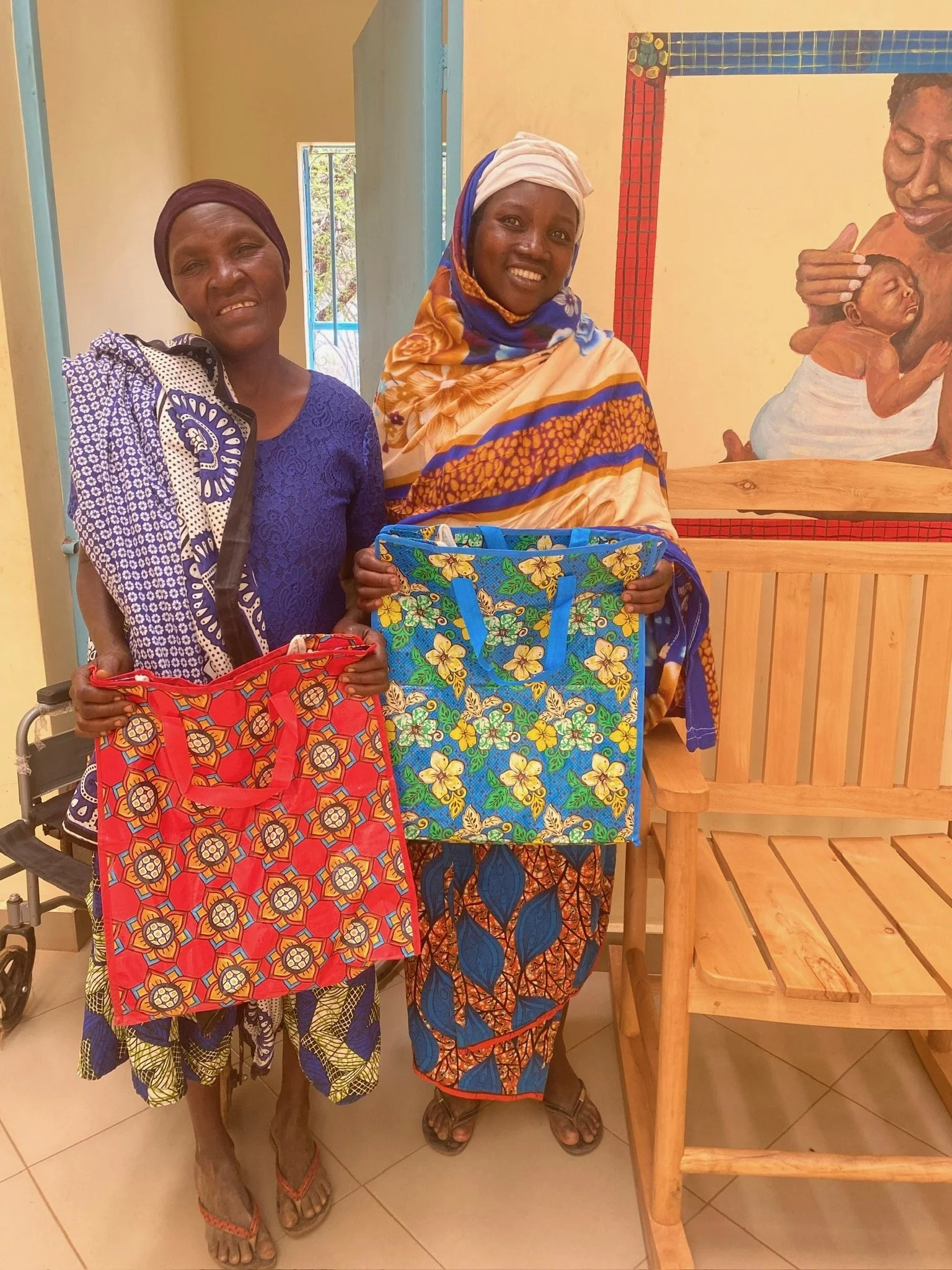
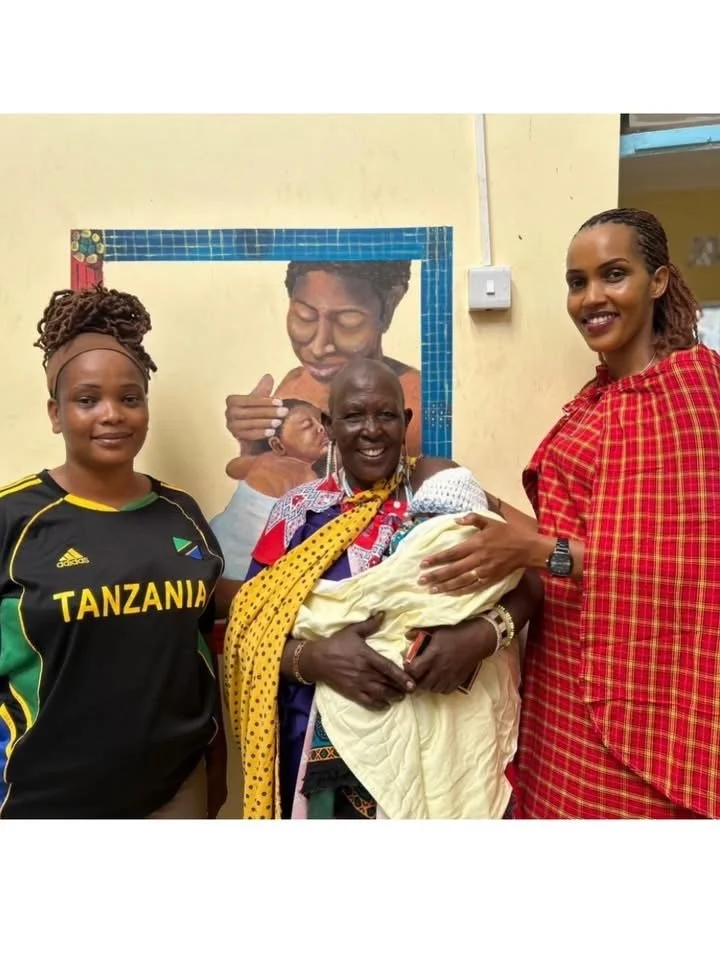
We offer expectant mothers a YEYO Bag (meaning "mama")—a kit of essentials given to those who choose to deliver their babies in the safety of a professional birthing center. The most cherished item in that bag? A hand-knitted hat provided by a volunteer like you.
These hats are more than just warmth; they are a symbol of care and a powerful incentive that encourages mothers to seek the healthcare they and their babies need. When you contribute a hat, you aren't just sending a gift; you are helping to lower mortality rates and celebrate a new life.
We believe the hands that make the gift should meet the heart that receives it. When your hat is given to a mother, we work to send you a photo of the newborn and the story of their birth—bringing the impact of your kindness directly back to you.
We are always looking for volunteers to help us fill our YEYO Bags. Whether you knit or crochet, your time and talent can provide a safer future for a mother and child half a world away. Click here for full project details and shipping information
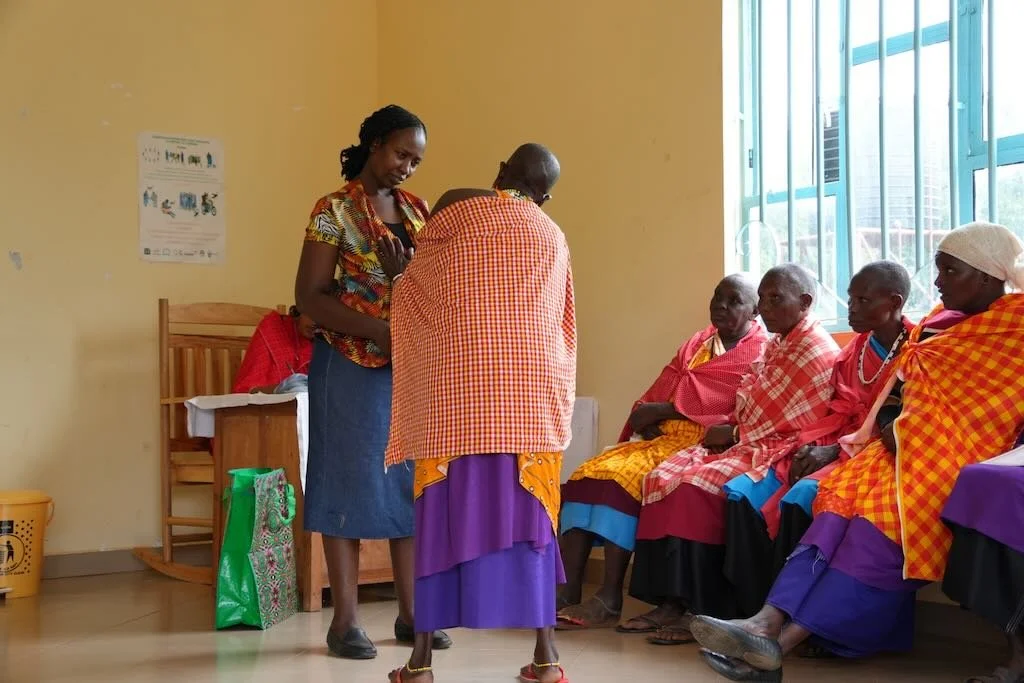
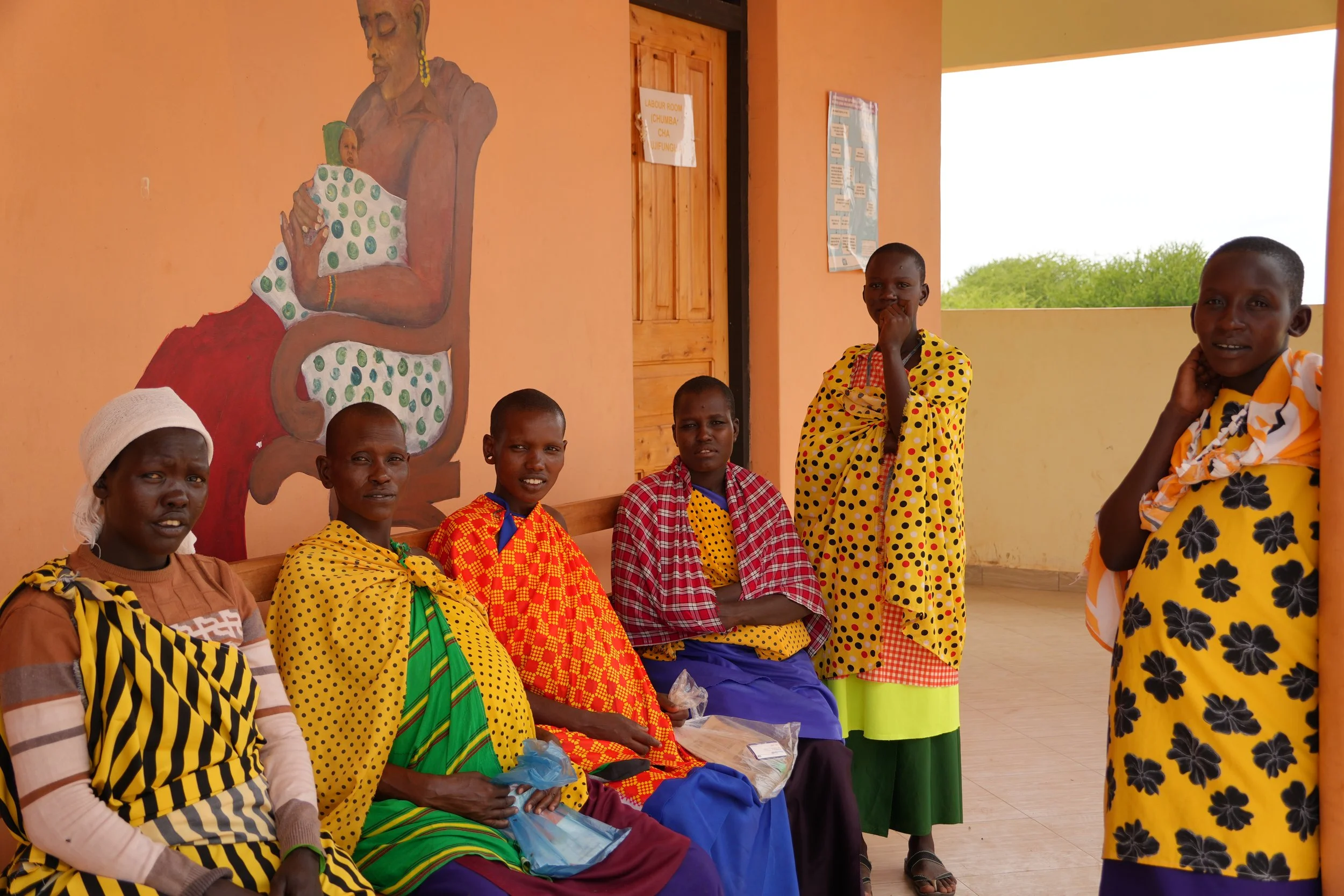
In many rural Maasai communities, mothers face significant barriers to accessing skilled maternity care, including long distances to health facilities and limited medical resources. Humanity for Children works alongside traditional birth attendants, healthcare providers, and community leaders to improve the safety of pregnancy, childbirth, and newborn care while respecting local traditions.
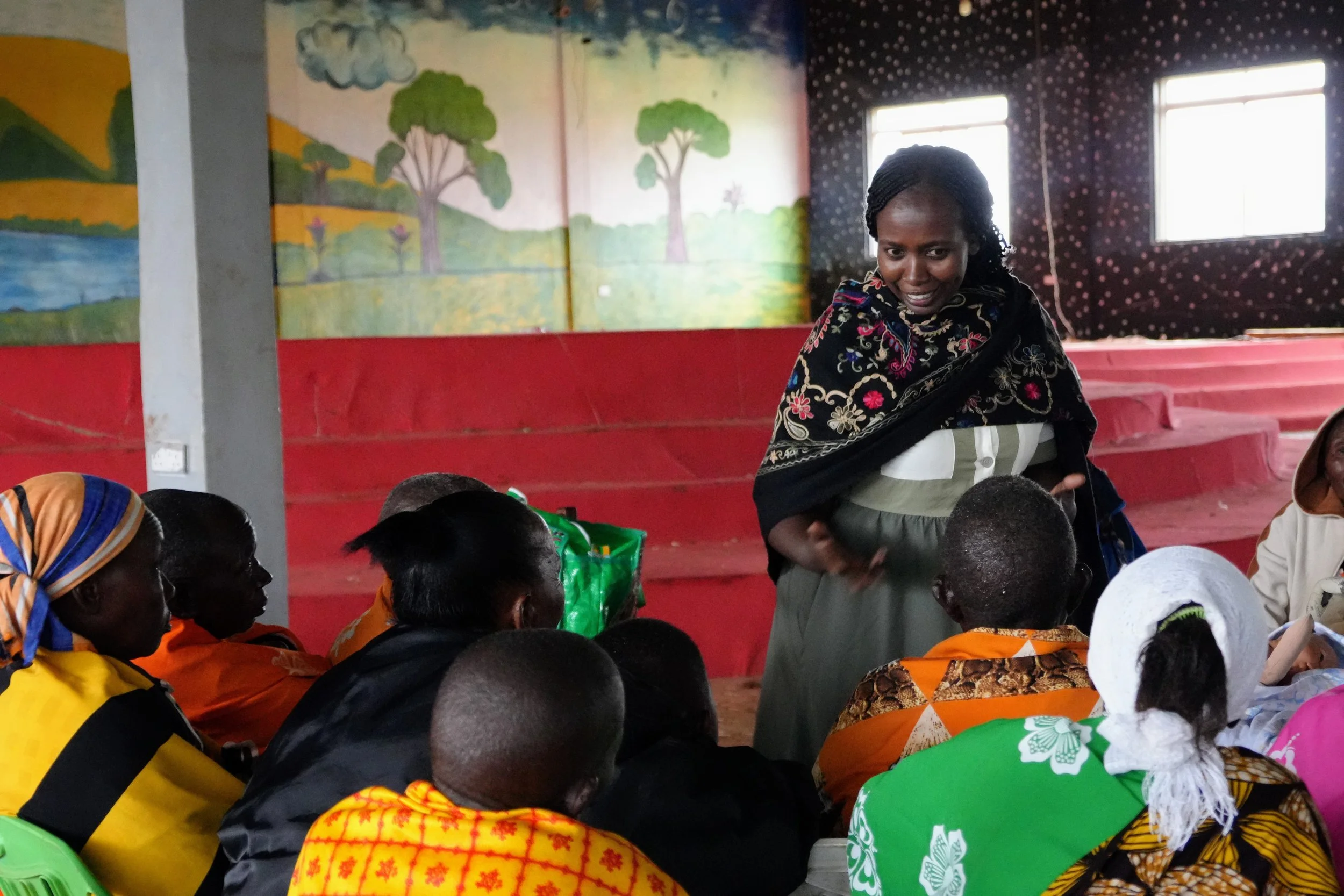
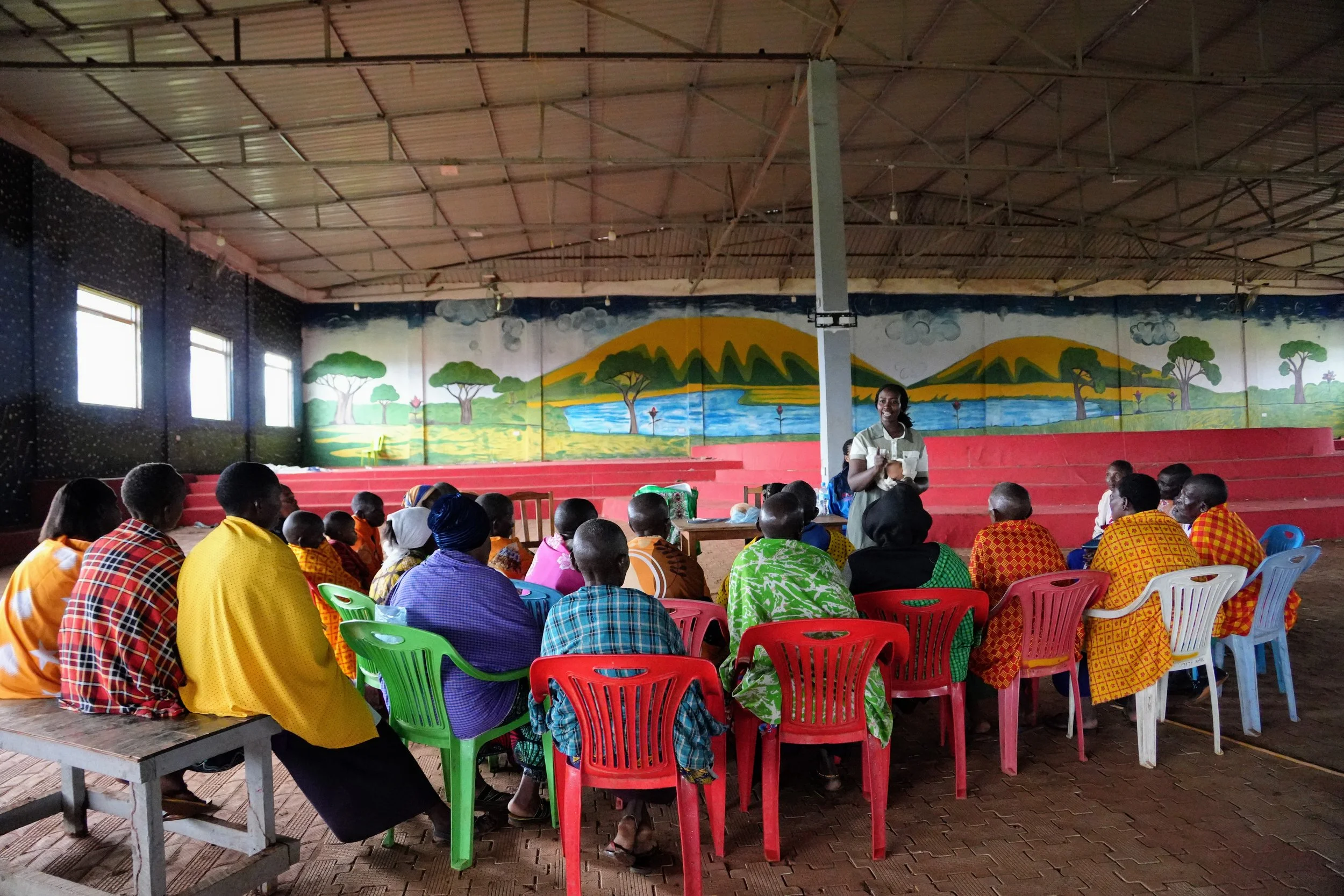
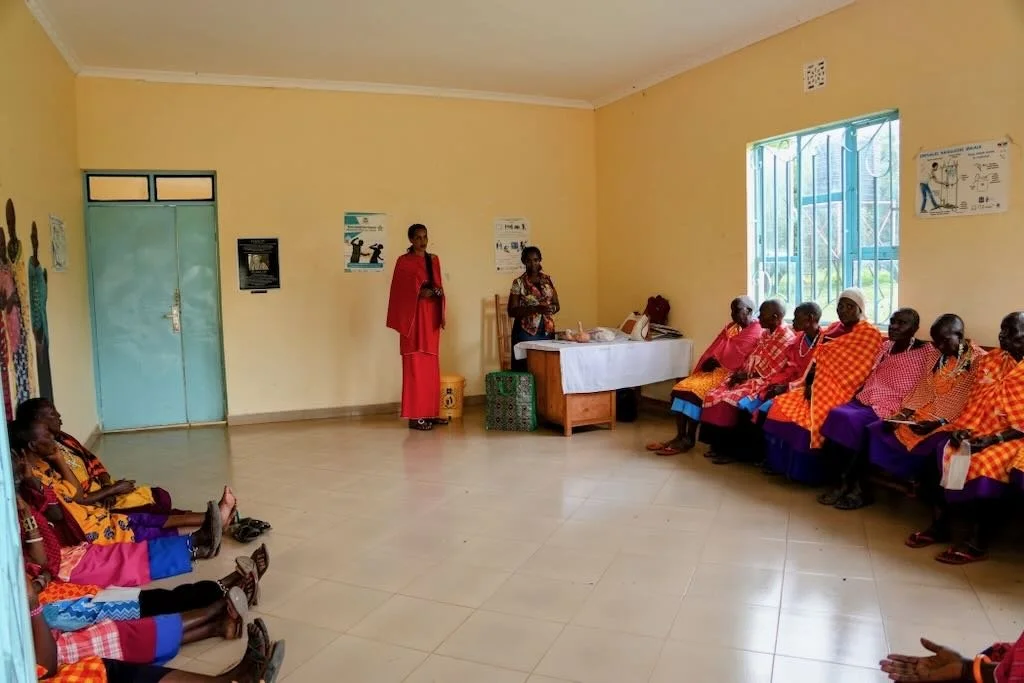
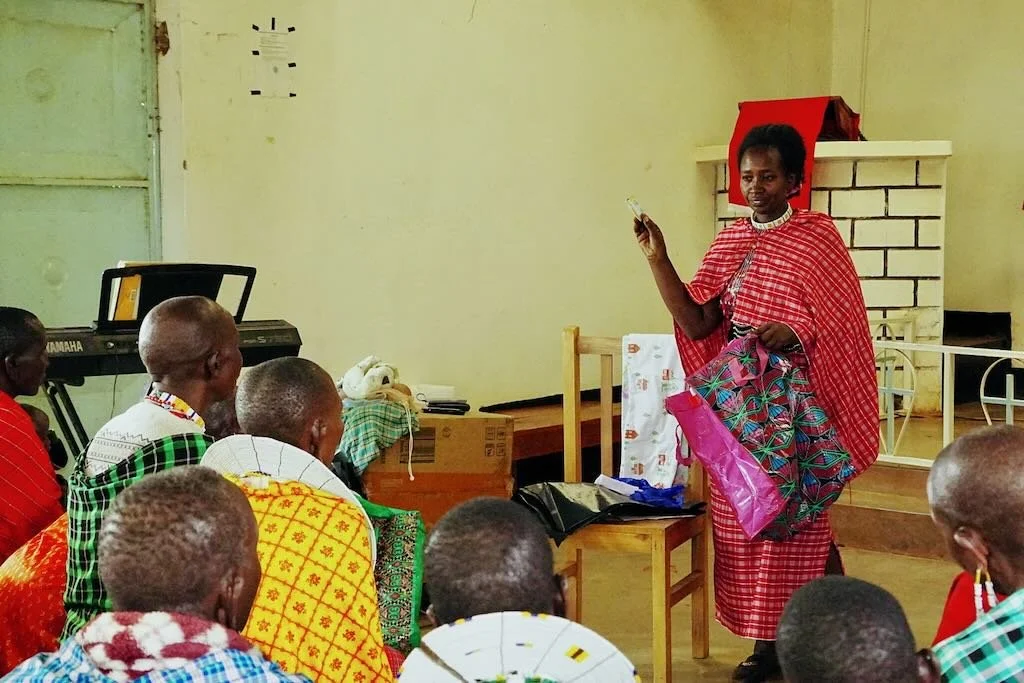
Through annual training, traditional birth attendants learn safer birthing practices, recognize complications, and strengthen referral pathways to health facilities. We also provide Safe Birthing Kits to traditional midwives and clinics, helping reduce infection risks and support healthier deliveries.
To encourage skilled maternity care, mothers who deliver at HFC-supported maternity centers receive a YEYO ("Mama") Bag with practical items for both mother and baby, along with transportation assistance to help remove barriers to care. Together, these efforts help mothers and newborns experience safer births, healthier beginnings, and greater dignity.
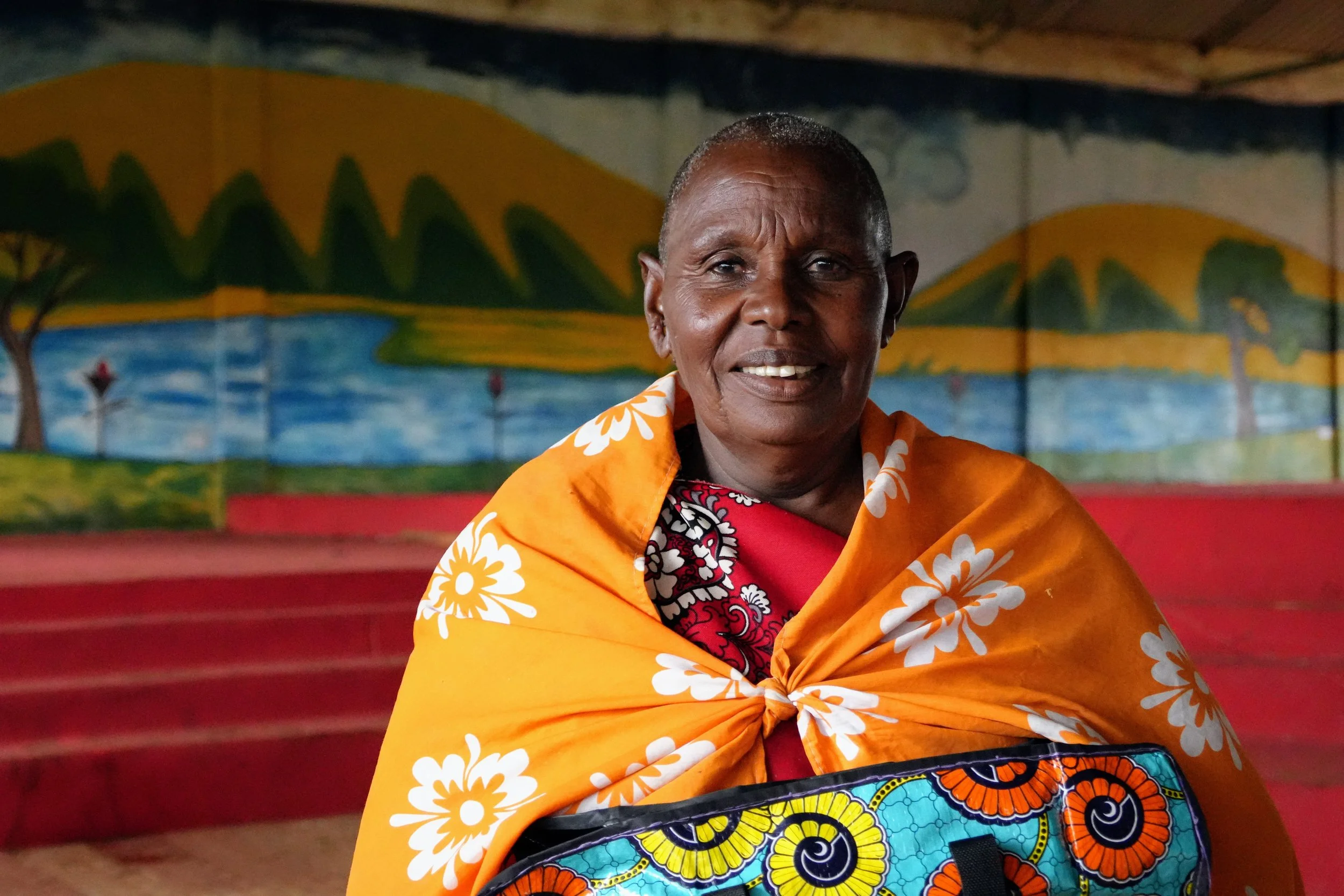
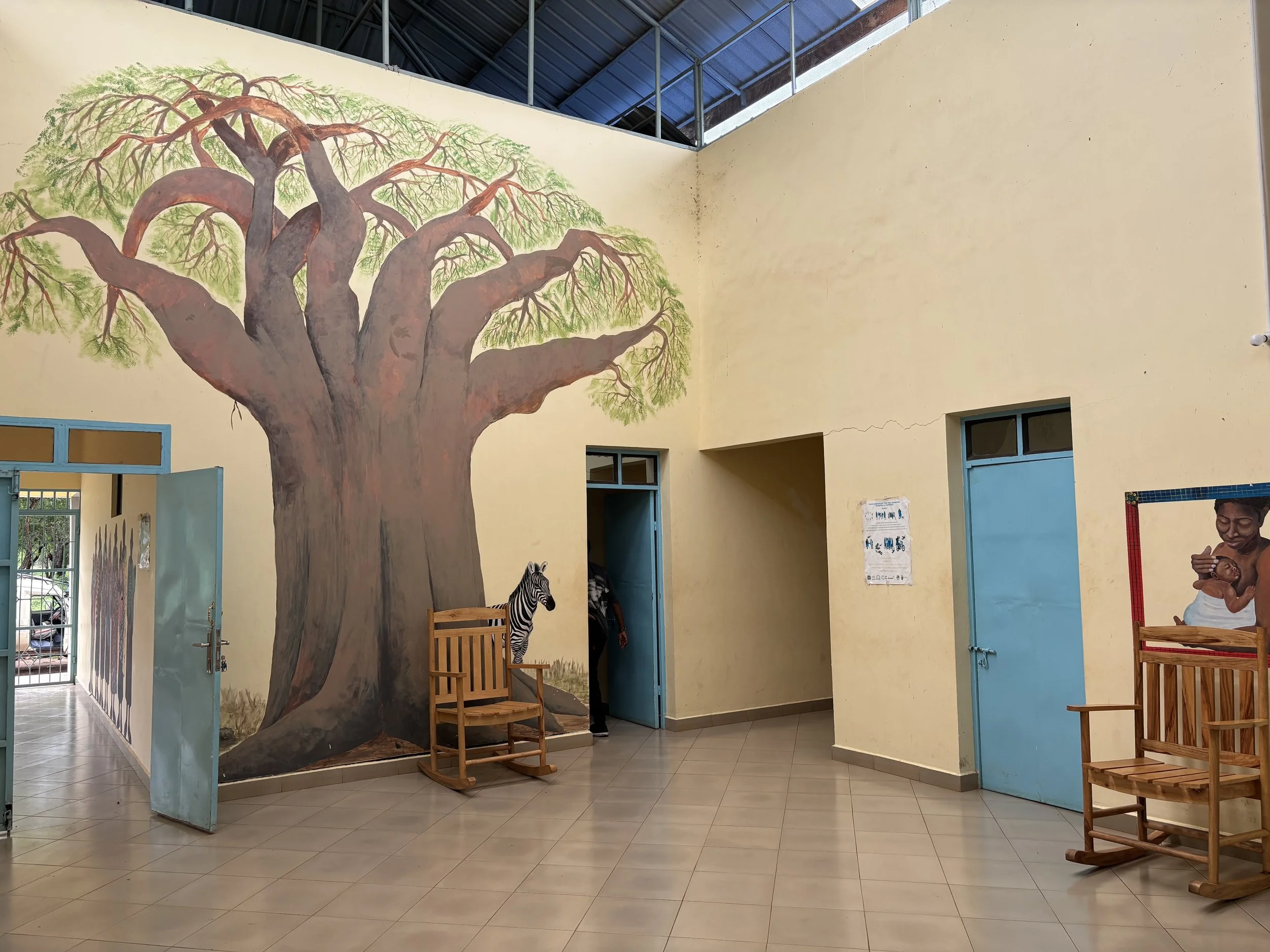
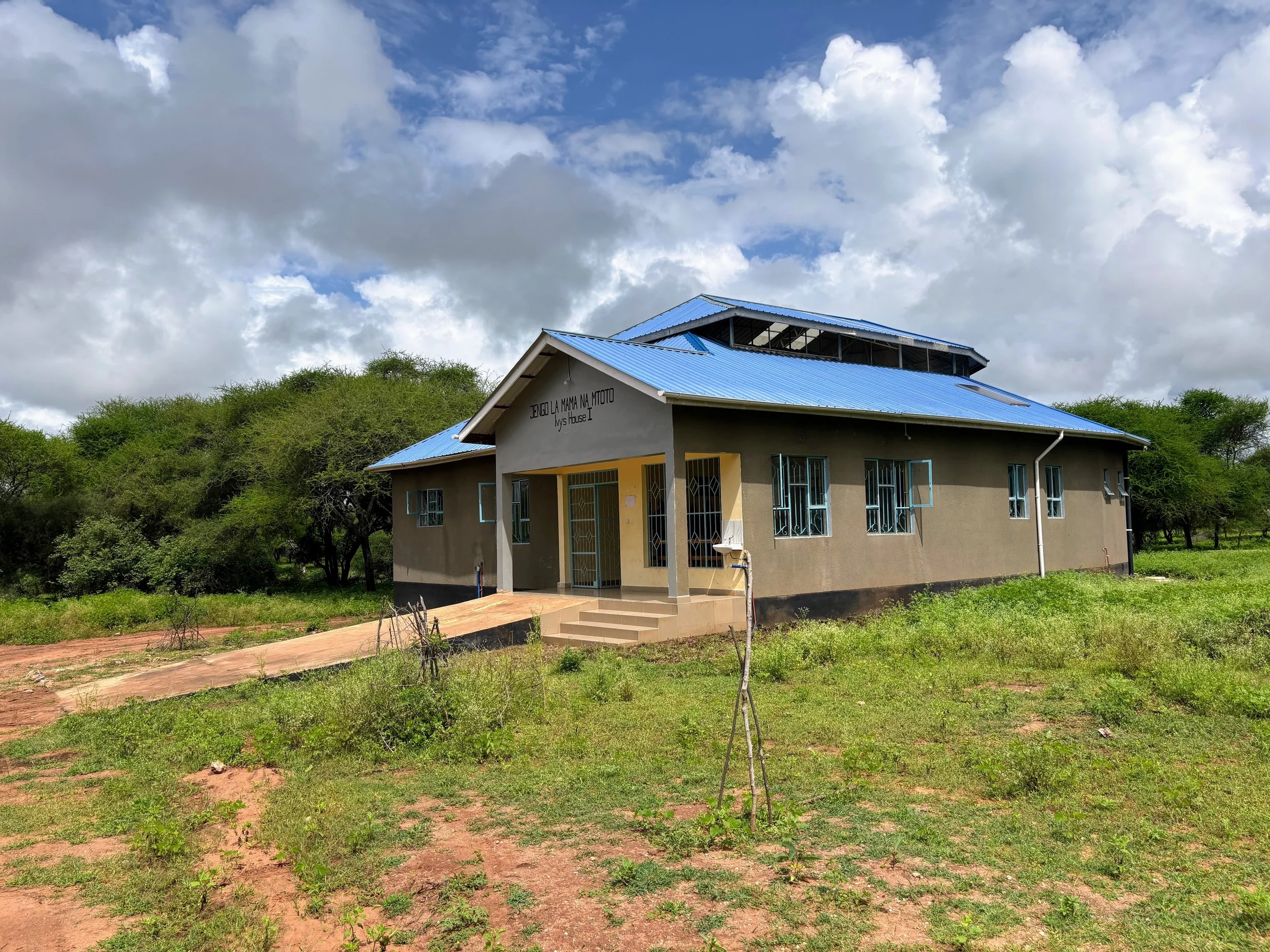
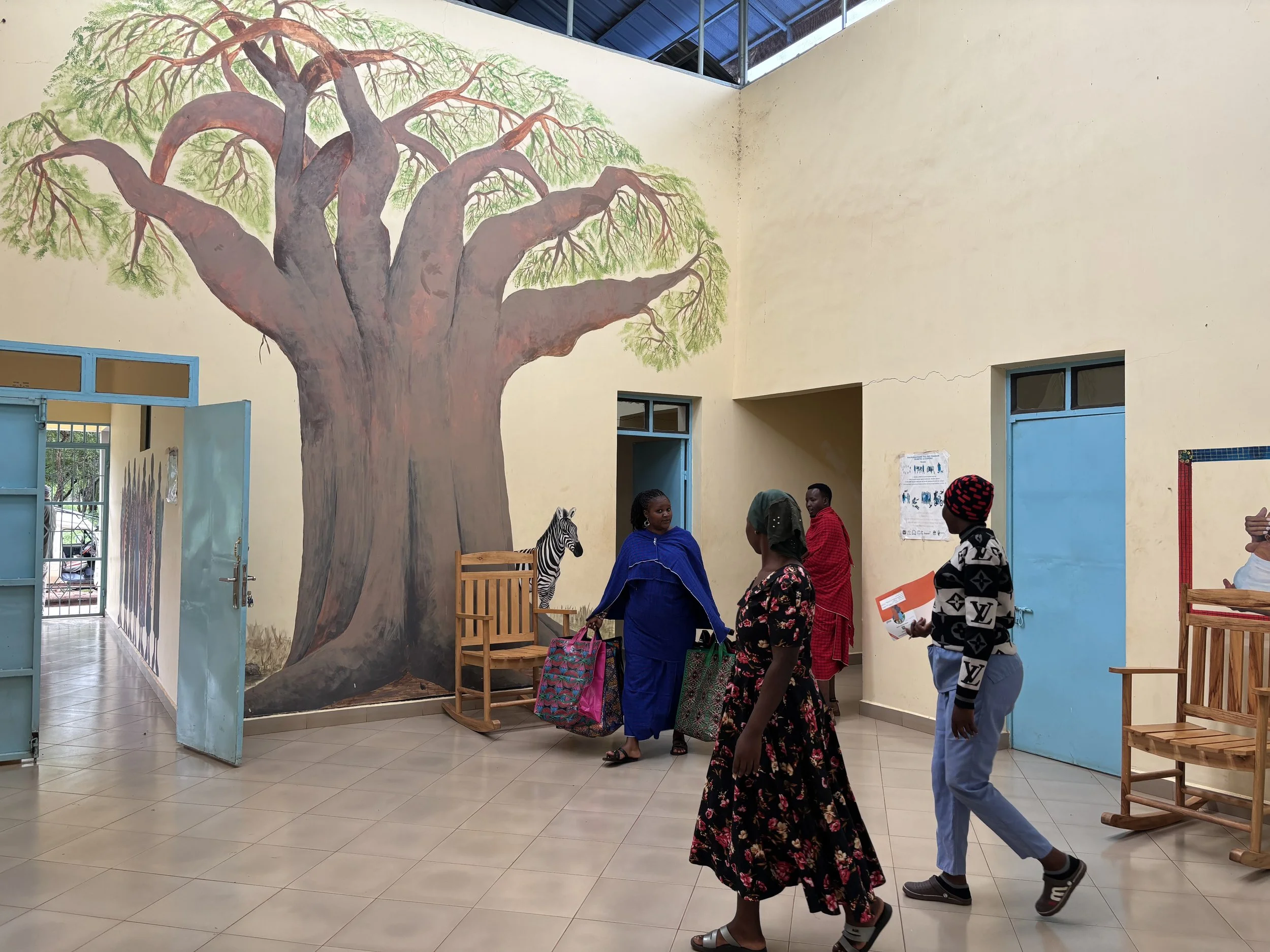
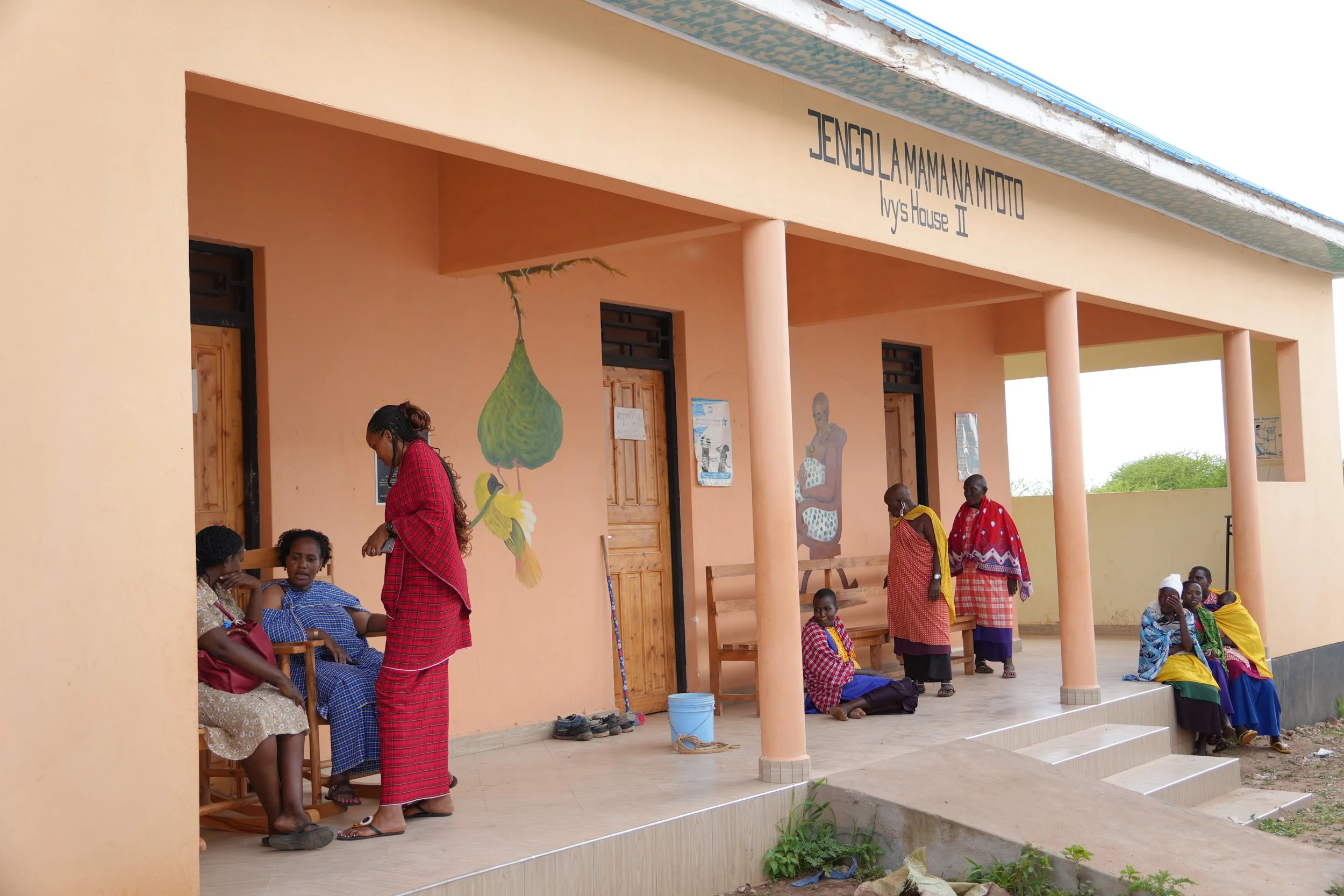
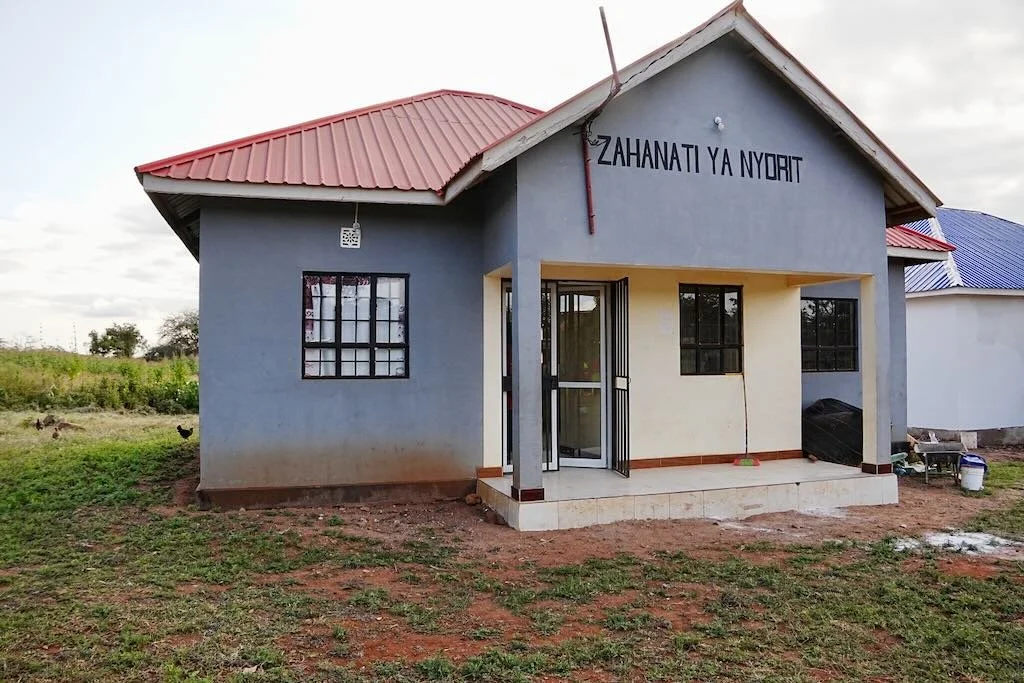
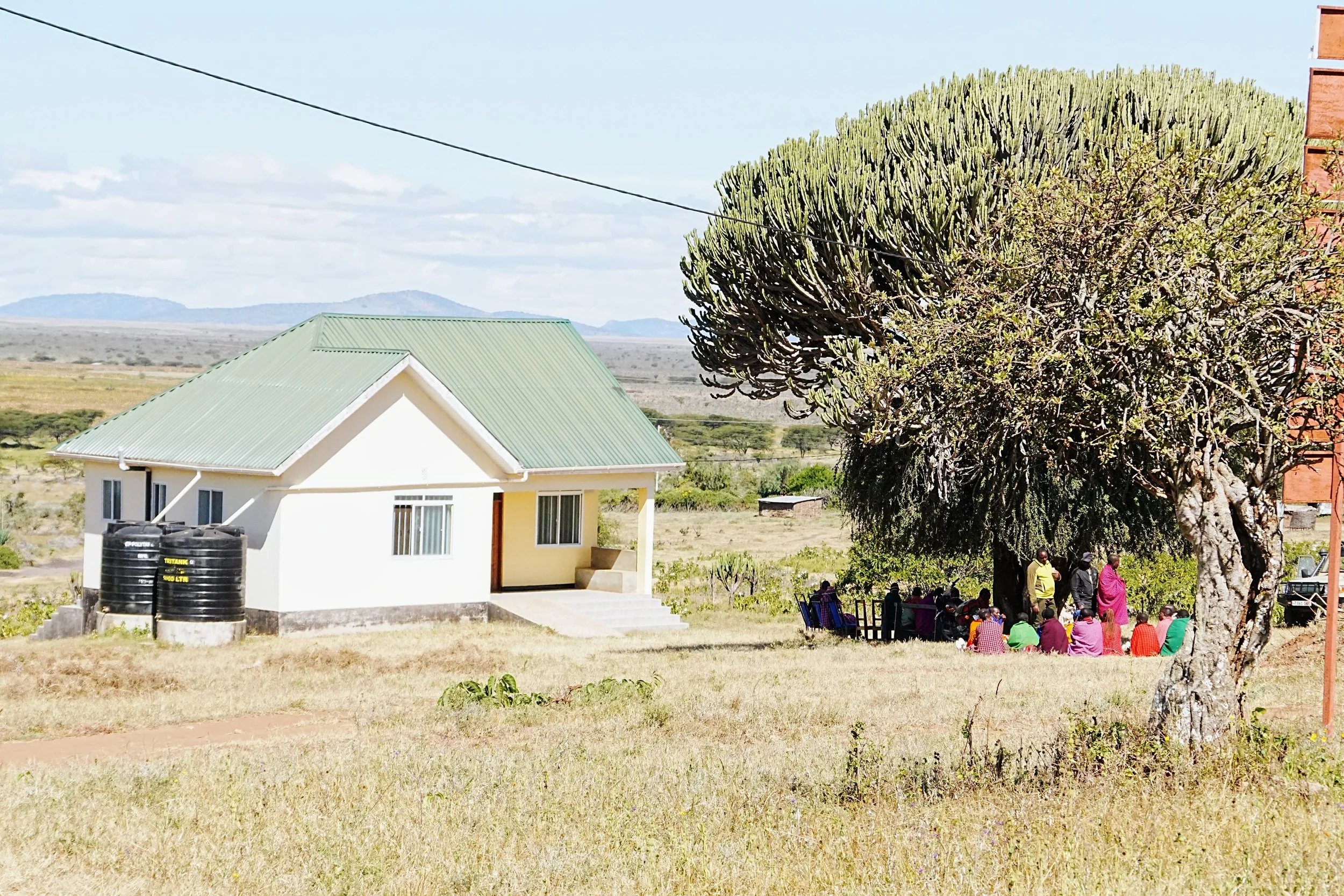
In partnership with local communities, Humanity for Children supports maternity centers and mothers' waiting houses that give expectant mothers a safe place to stay near village health facilities before delivery. Centers including Ivy's House, Ivy's House II (Oltotoi Uzazi Ivy House), and the Oloiperi and Nyorit Maternity Centers help improve access to skilled maternal, newborn, and infant healthcare in remote Maasai communities. Named in honor of HFC midwife educator Ivy Case, these centers reflect a shared commitment to safer pregnancies, safer births, and healthier beginnings for mothers and babies.
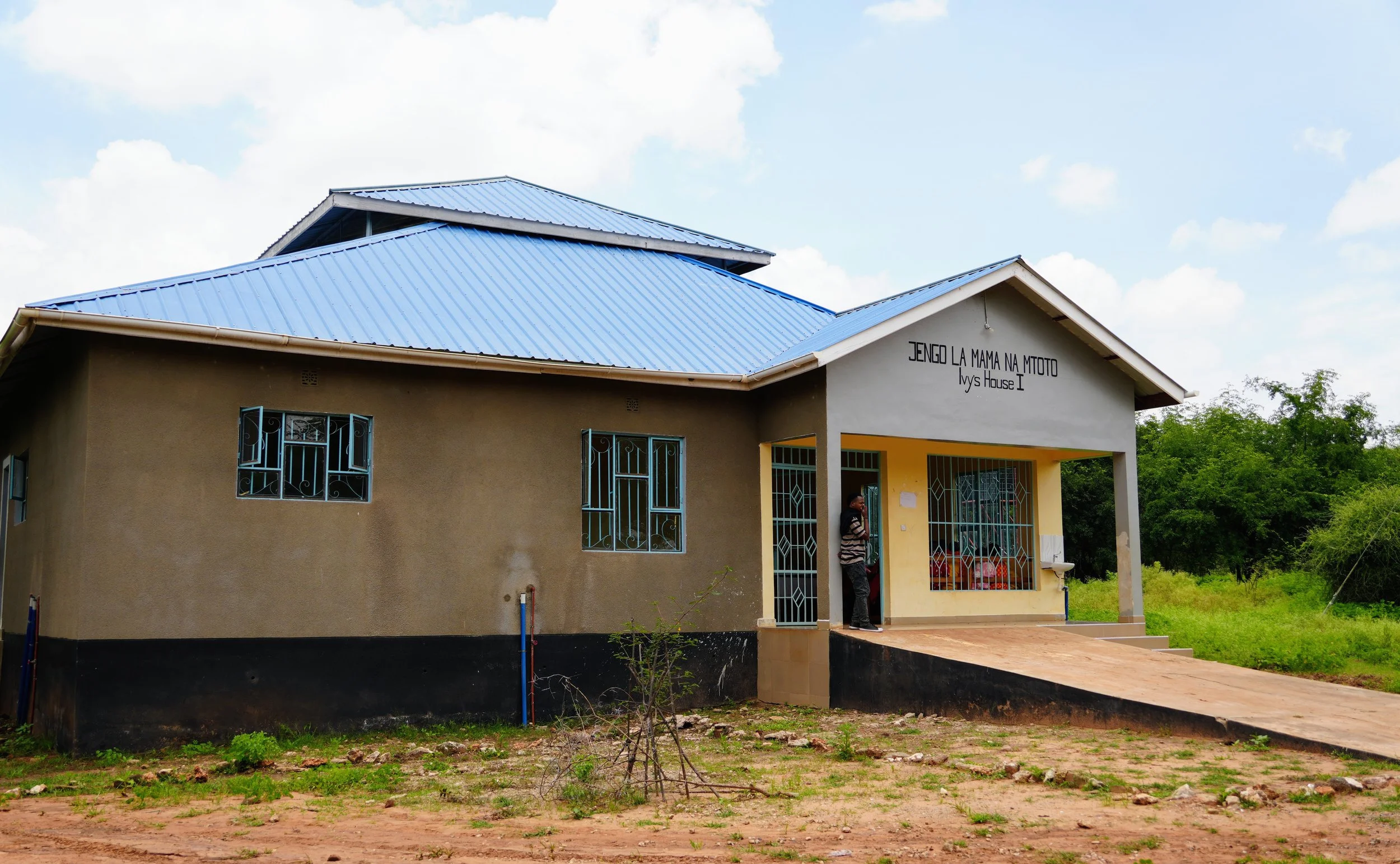
We create pathways out of poverty by building knowledge, confidence, and opportunity.
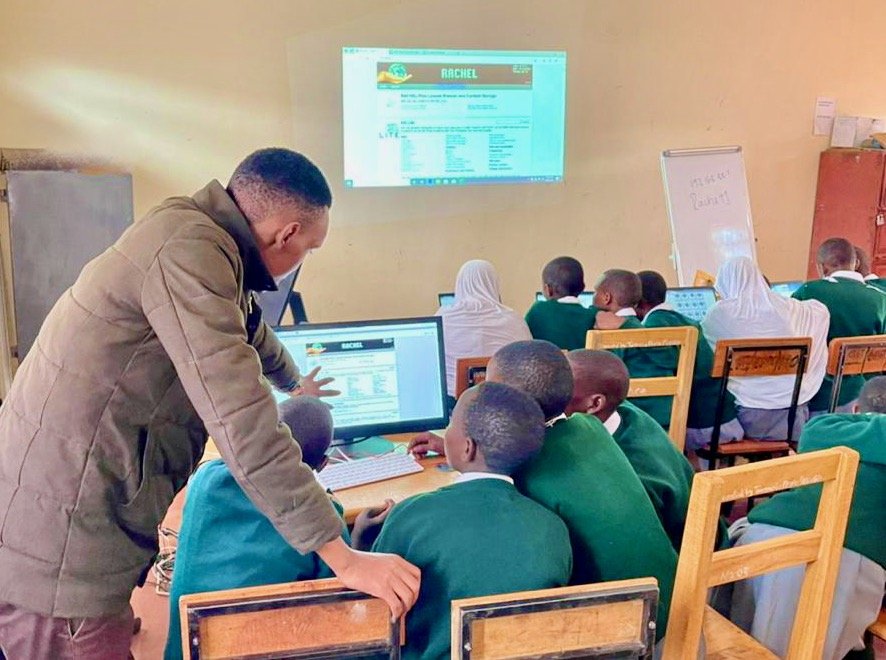

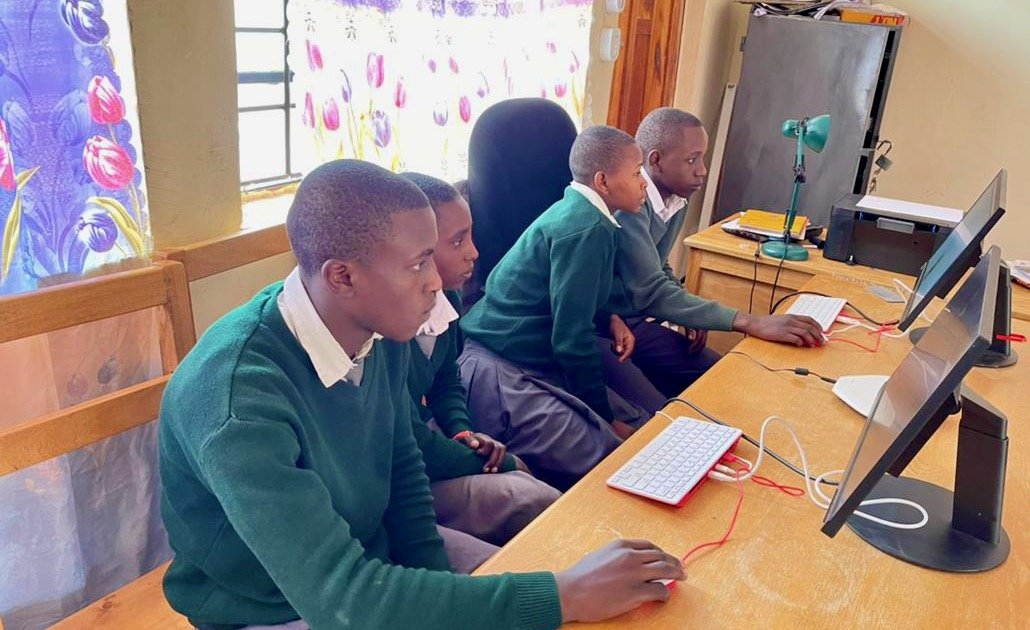
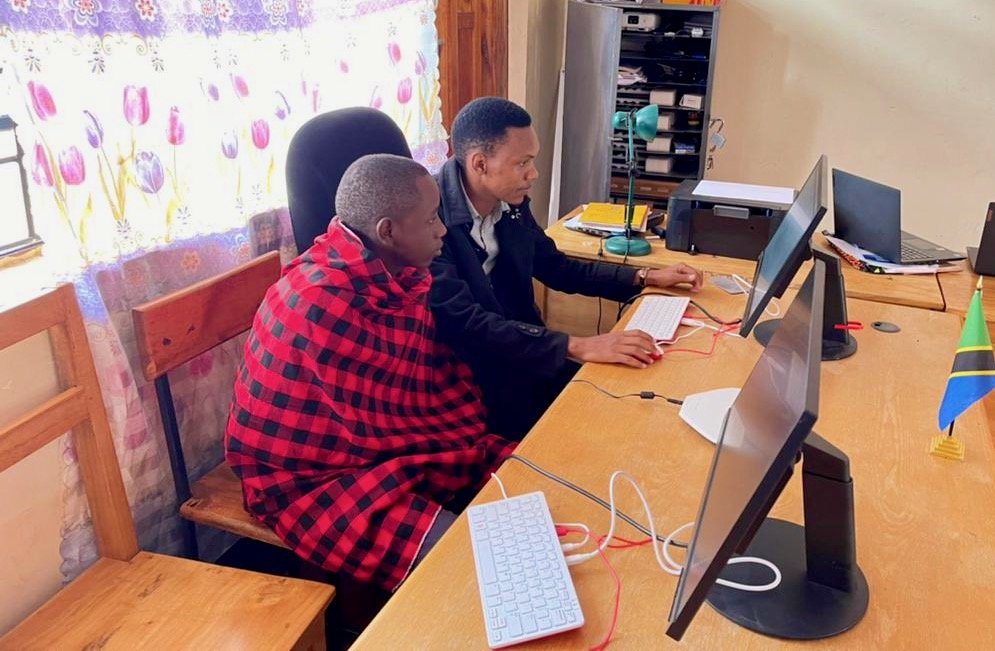
The Technology Learning Center provides students and teachers with access to 26 computer stations and hands-on computer and digital literacy classes. Using sustainable technology, including Raspberry Pi devices and a RACHEL offline Wi-Fi server, the center makes educational resources such as Wikipedia, Khan Academy, and other open learning materials available without requiring a direct internet connection.
This approach gives teachers additional tools for building lessons and allows students to explore new skills, from basic computer use to creative projects like video production. By expanding access to meaningful digital education, the Technology Learning Center helps prepare students for participation in a global digital economy while supporting learning that remains rooted in their local culture and community.
We address environmental factors that shape everyday health.
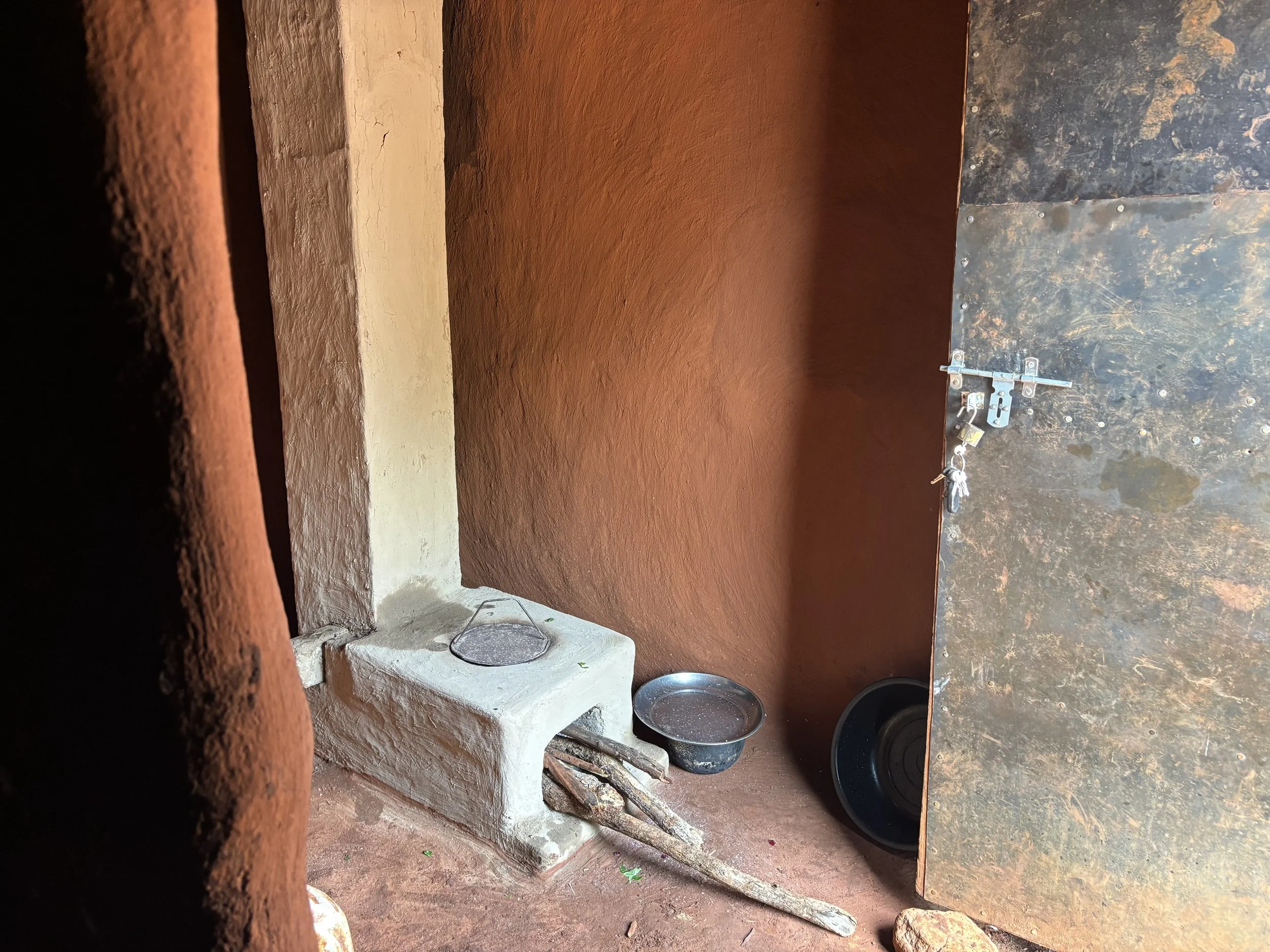
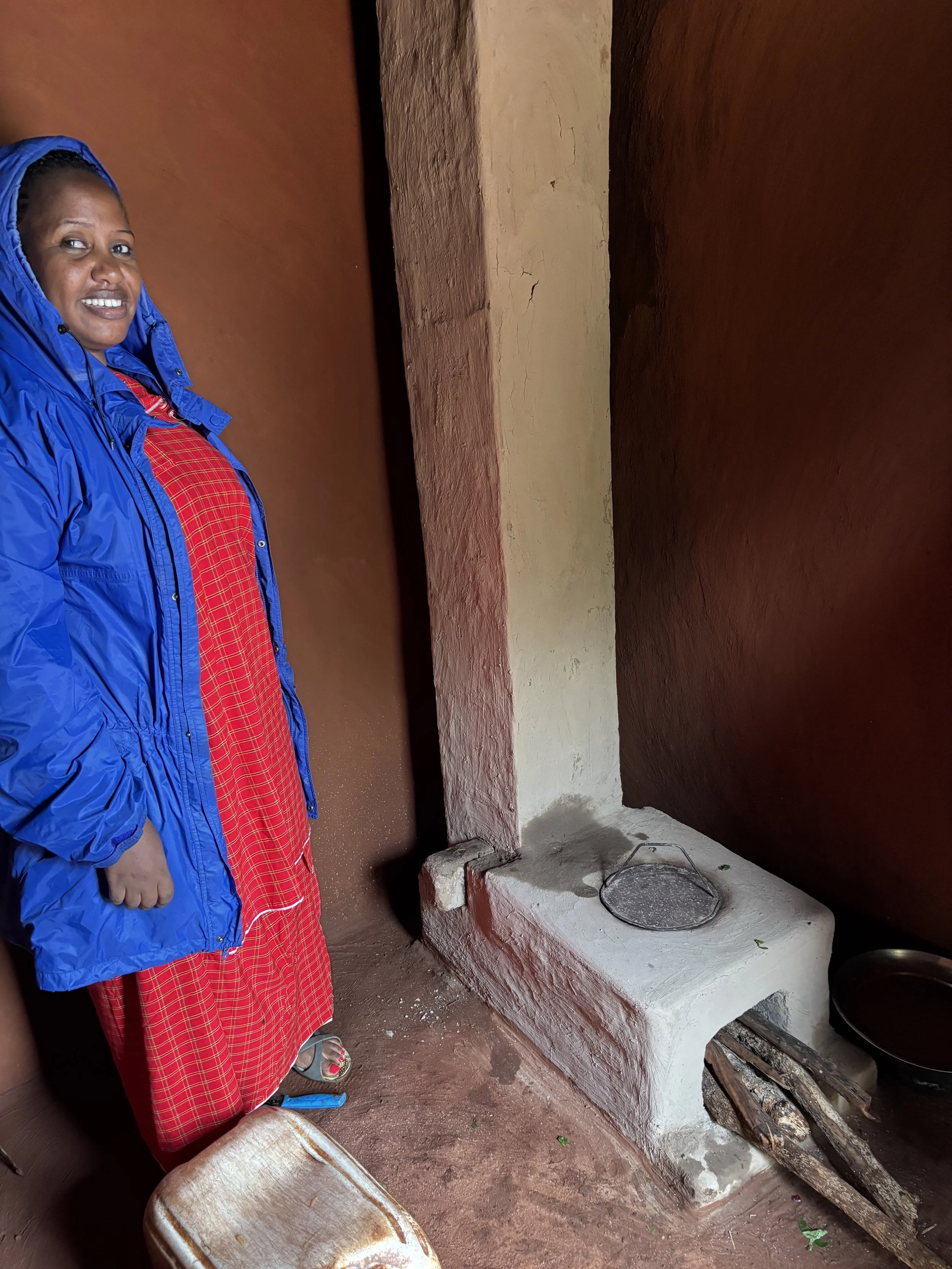
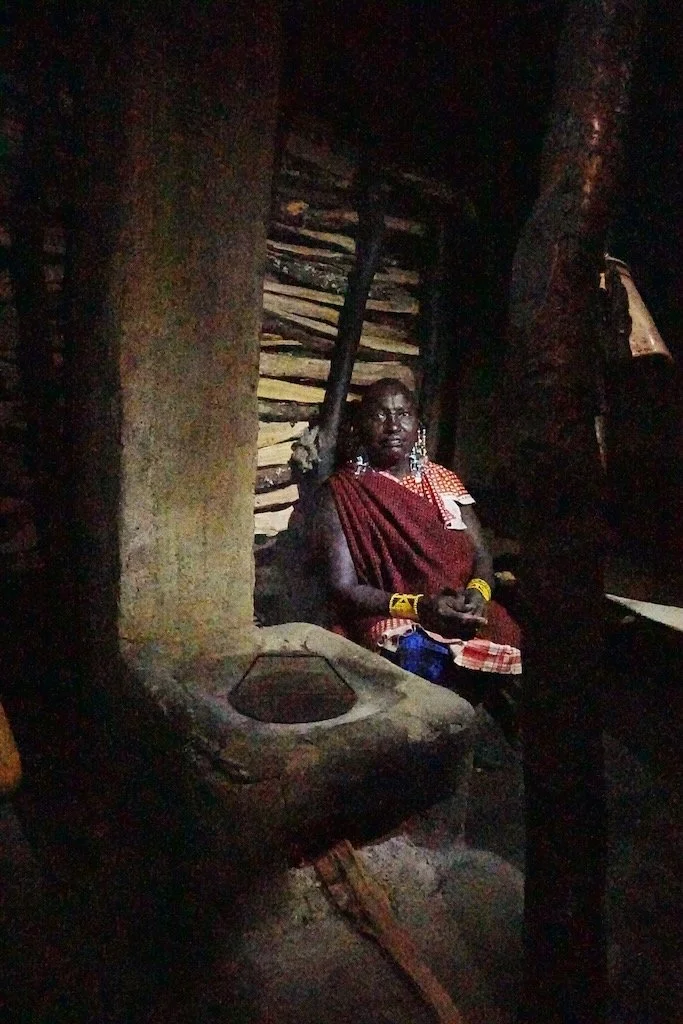
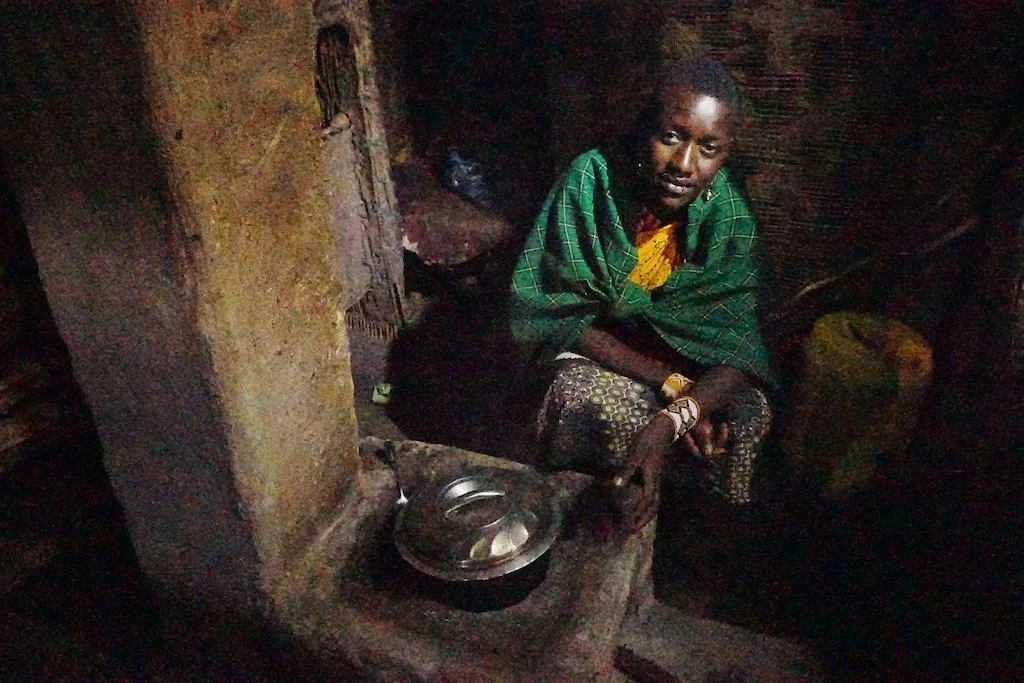
For many families in rural Tanzania, cooking takes place over an open fire inside the home. The smoke from these fires can cause serious respiratory illnesses, chronic coughing, eye irritation, and long-term vision problems, particularly for women and children who spend the most time near the fire.
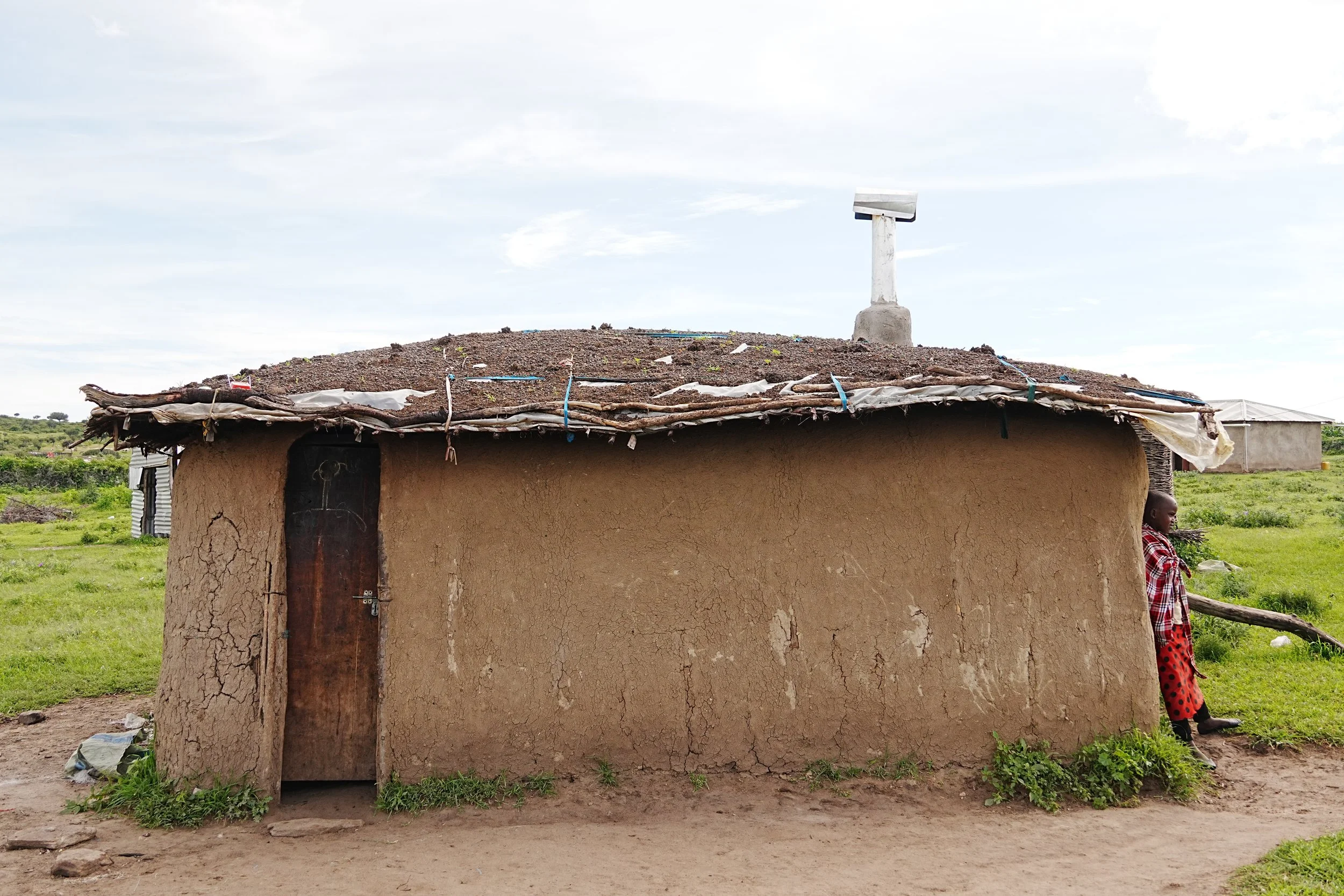
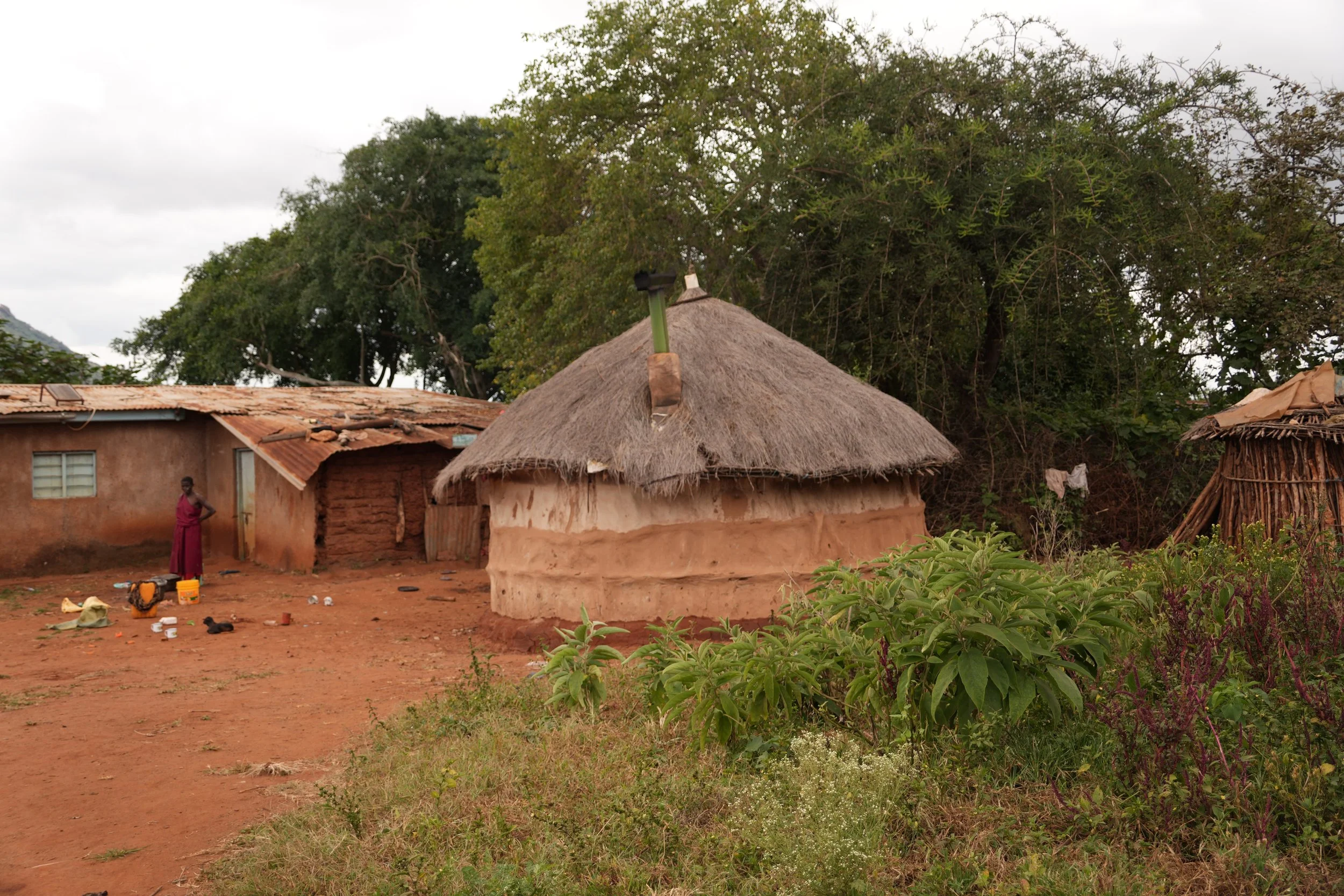
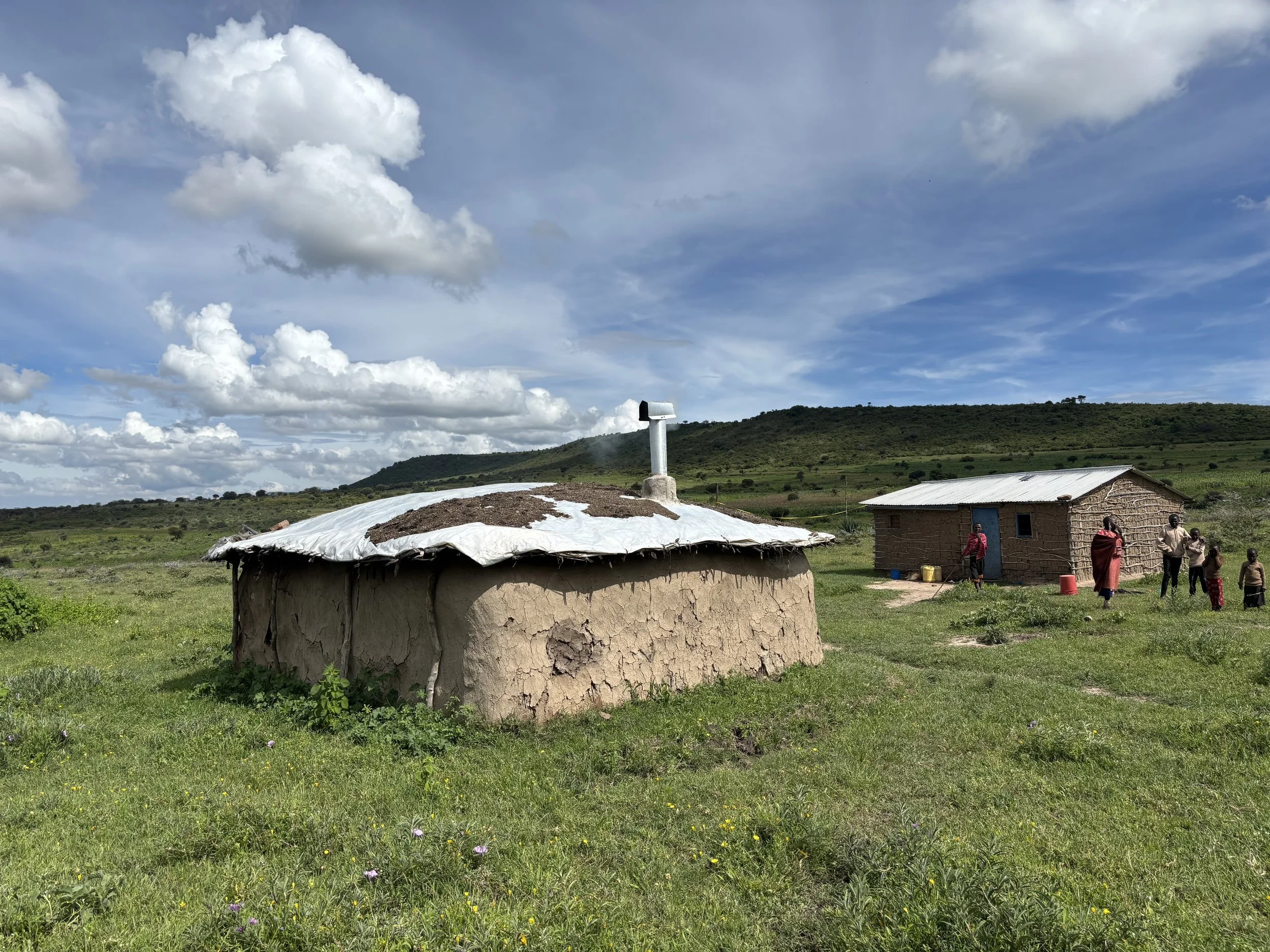
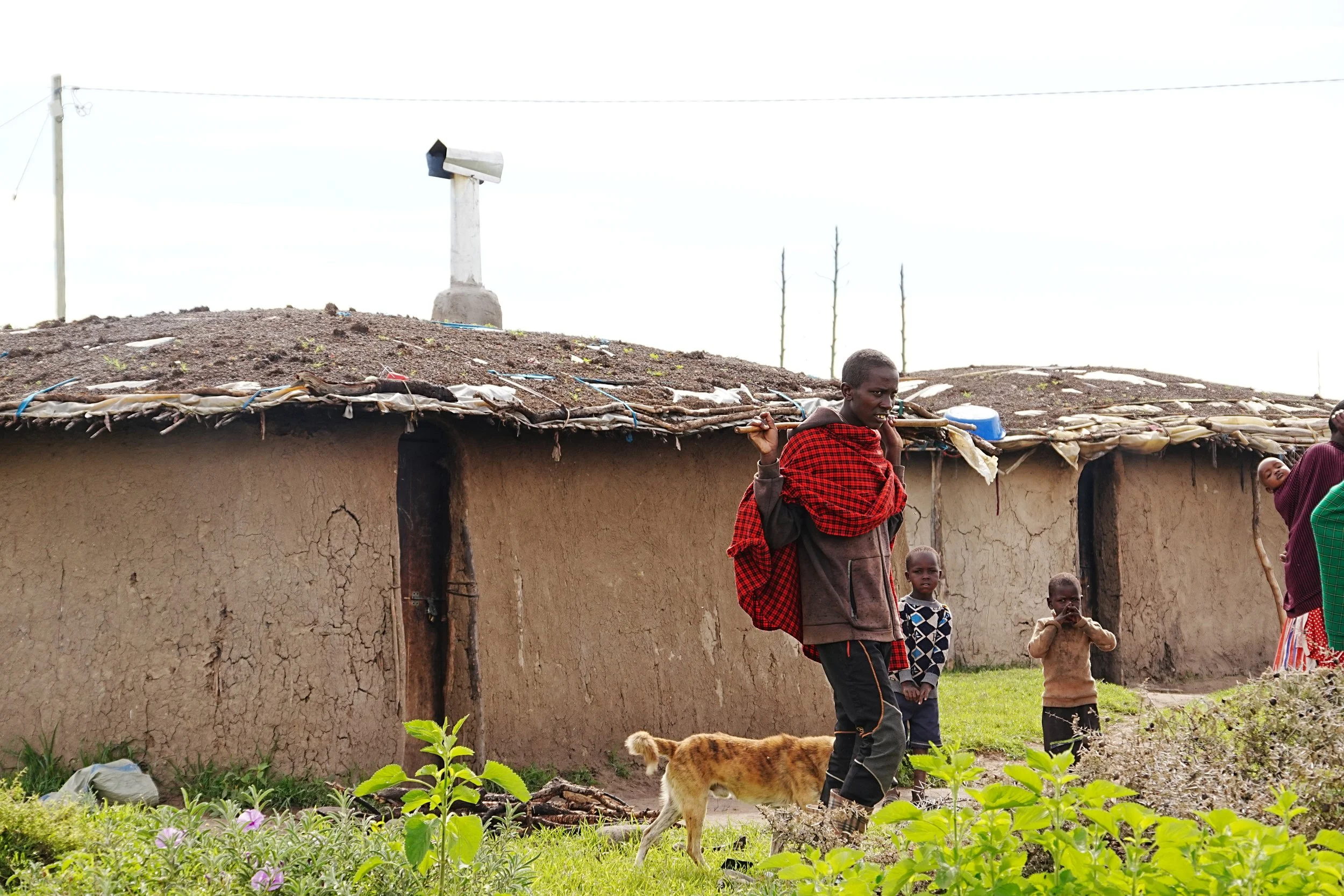
Our Clean Stove Project replaces dangerous open fires with efficient, smoke-free stoves that vent harmful smoke outside through a chimney. These stoves improve air quality, reduce health risks, make cooking safer, and require less firewood.
Since launching the program, we have helped more than 580 families install safe stoves, but the need continues to grow, with more than 100 families currently on our waiting list.
The project also creates economic opportunity by training local women to build and install stoves, providing them with skills and income while ensuring the program's long-term sustainability.
A clean stove does more than improve cooking. It helps families breathe easier, protects children's health, empowers women, and creates a safer, healthier home for everyone.
For generations, the Maasai people have relied primarily on cow's milk and maize as dietary staples. As traditional nomadic lifestyles have changed and access to grazing land has become increasingly limited, many families face growing challenges in maintaining a nutritious and balanced diet. As a result, malnutrition among young children, pregnant women, and the elderly has become an increasing concern in rural communities.
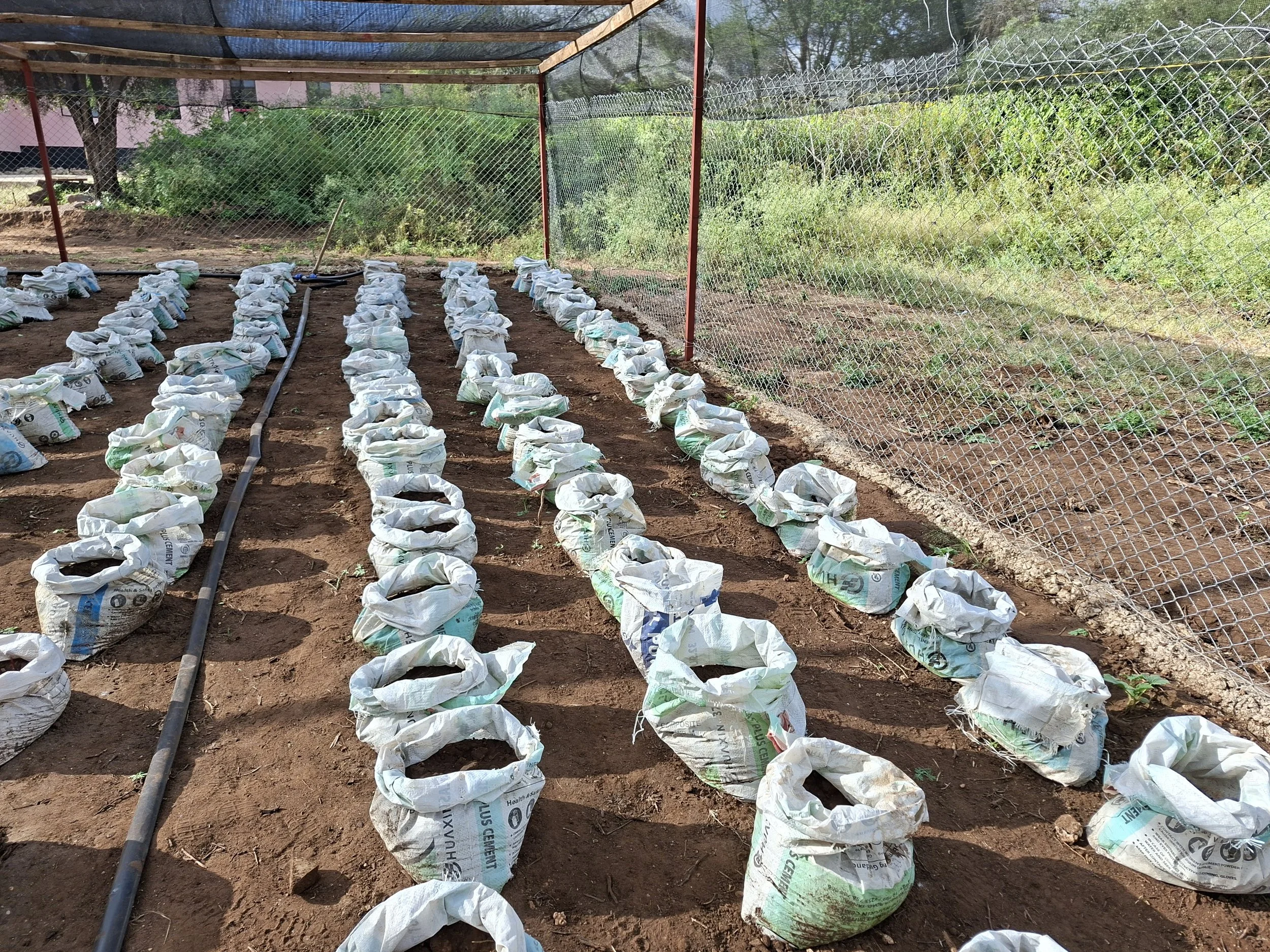
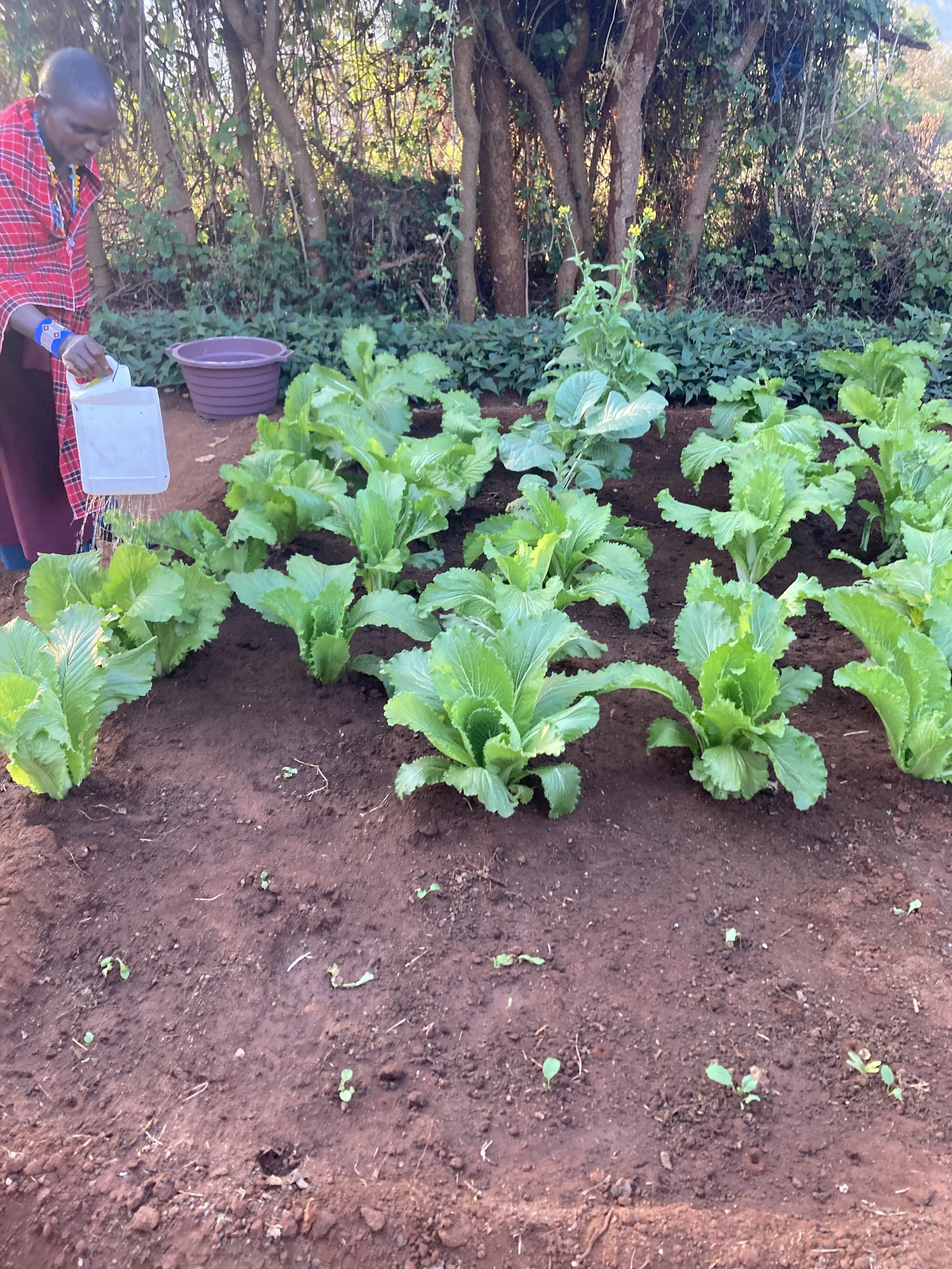
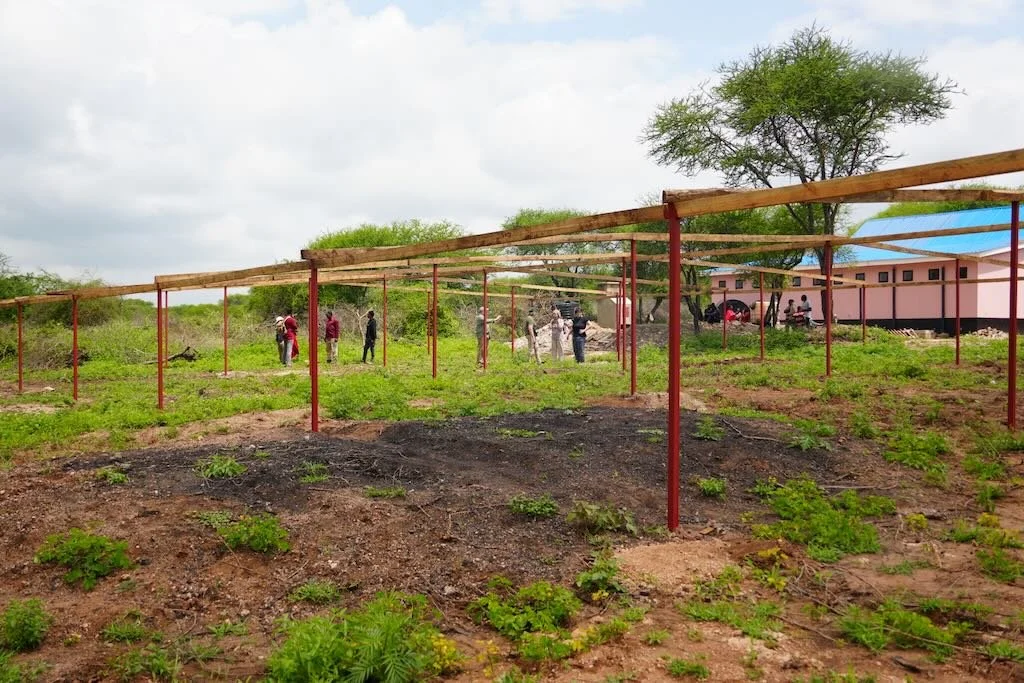
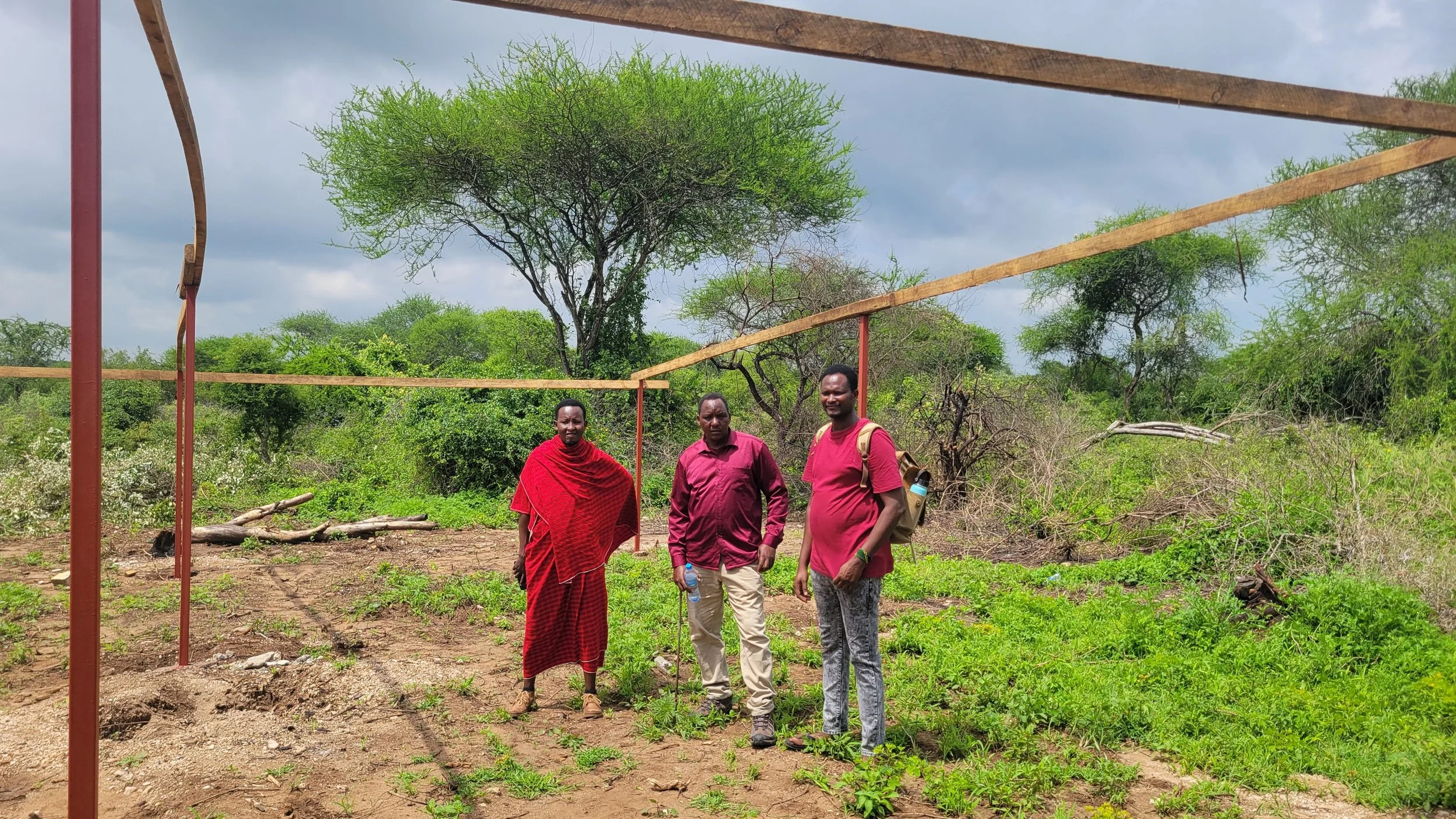
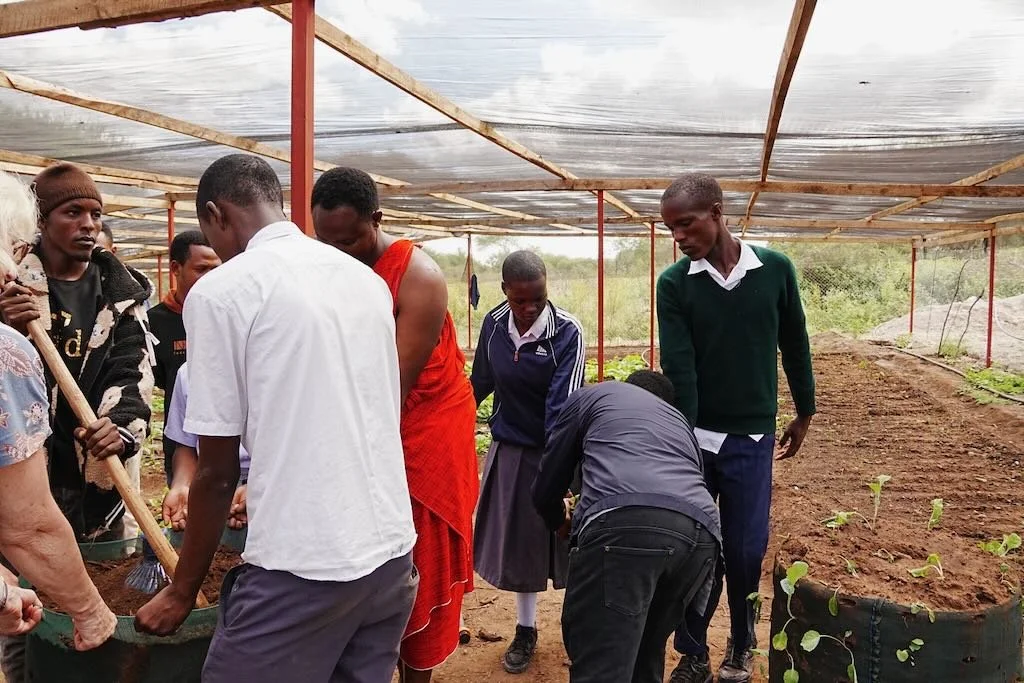
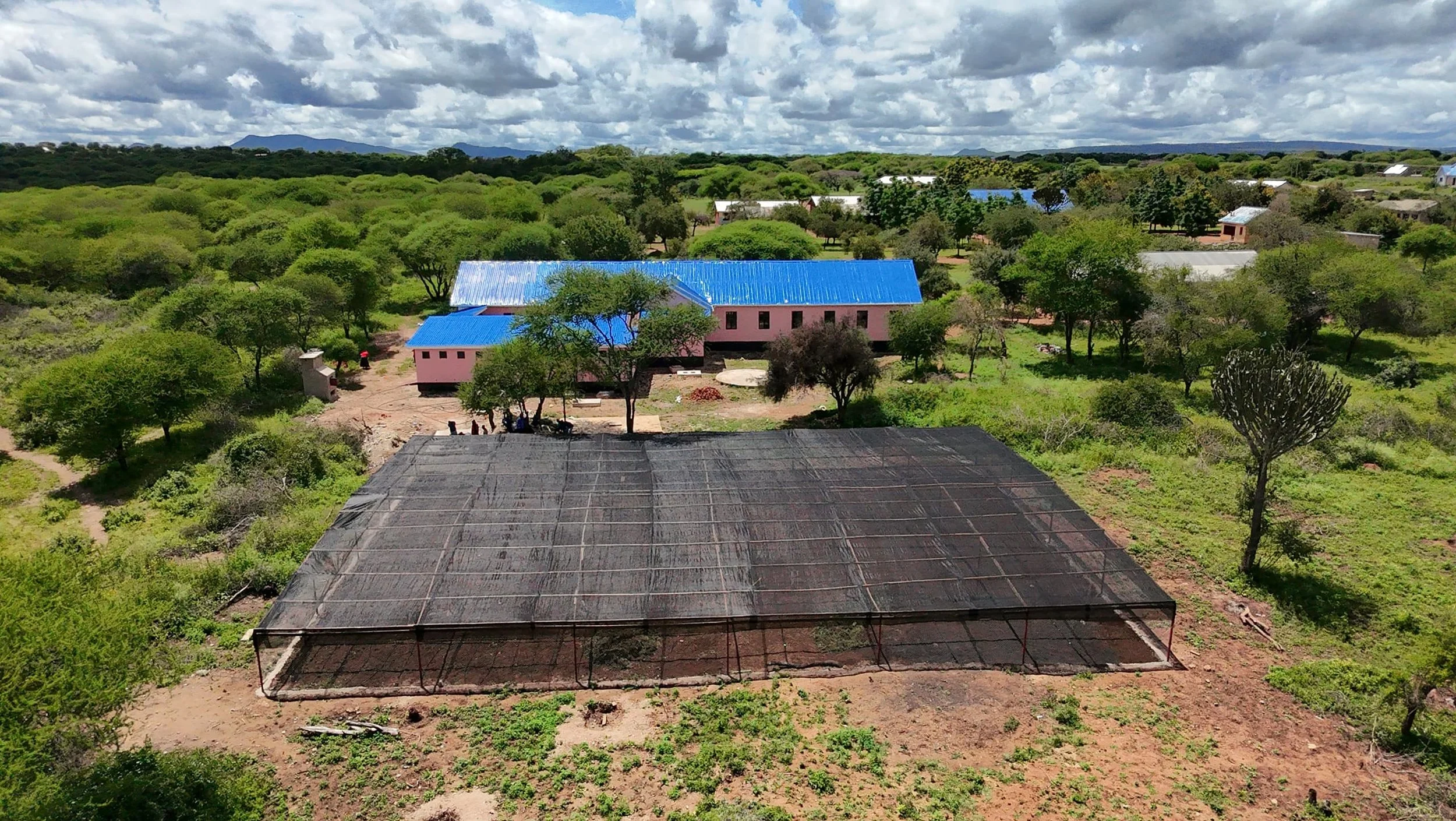
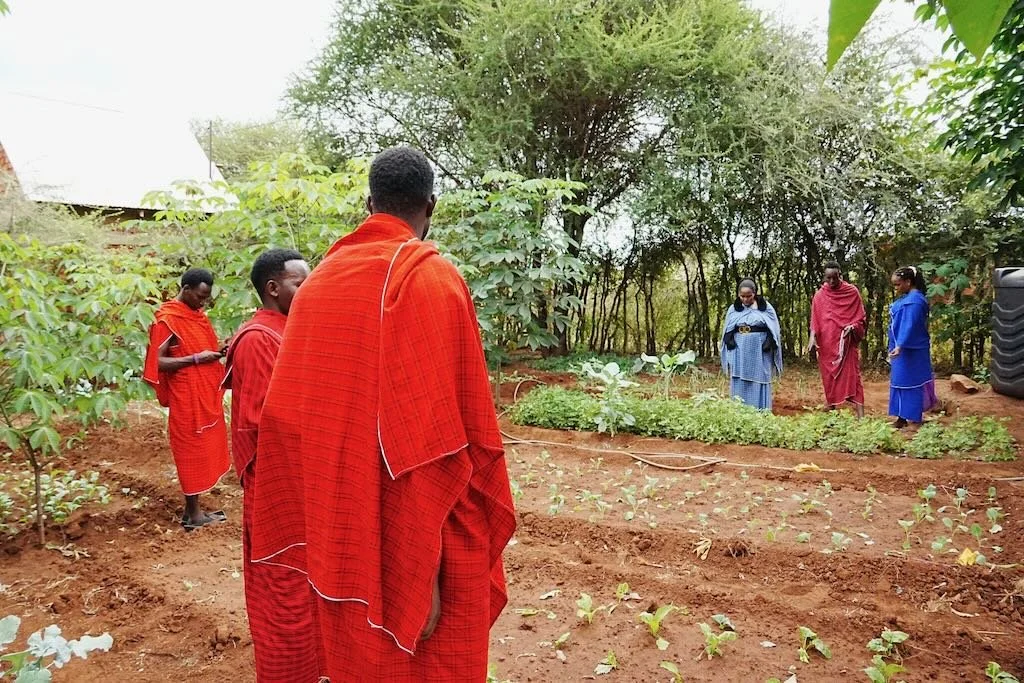
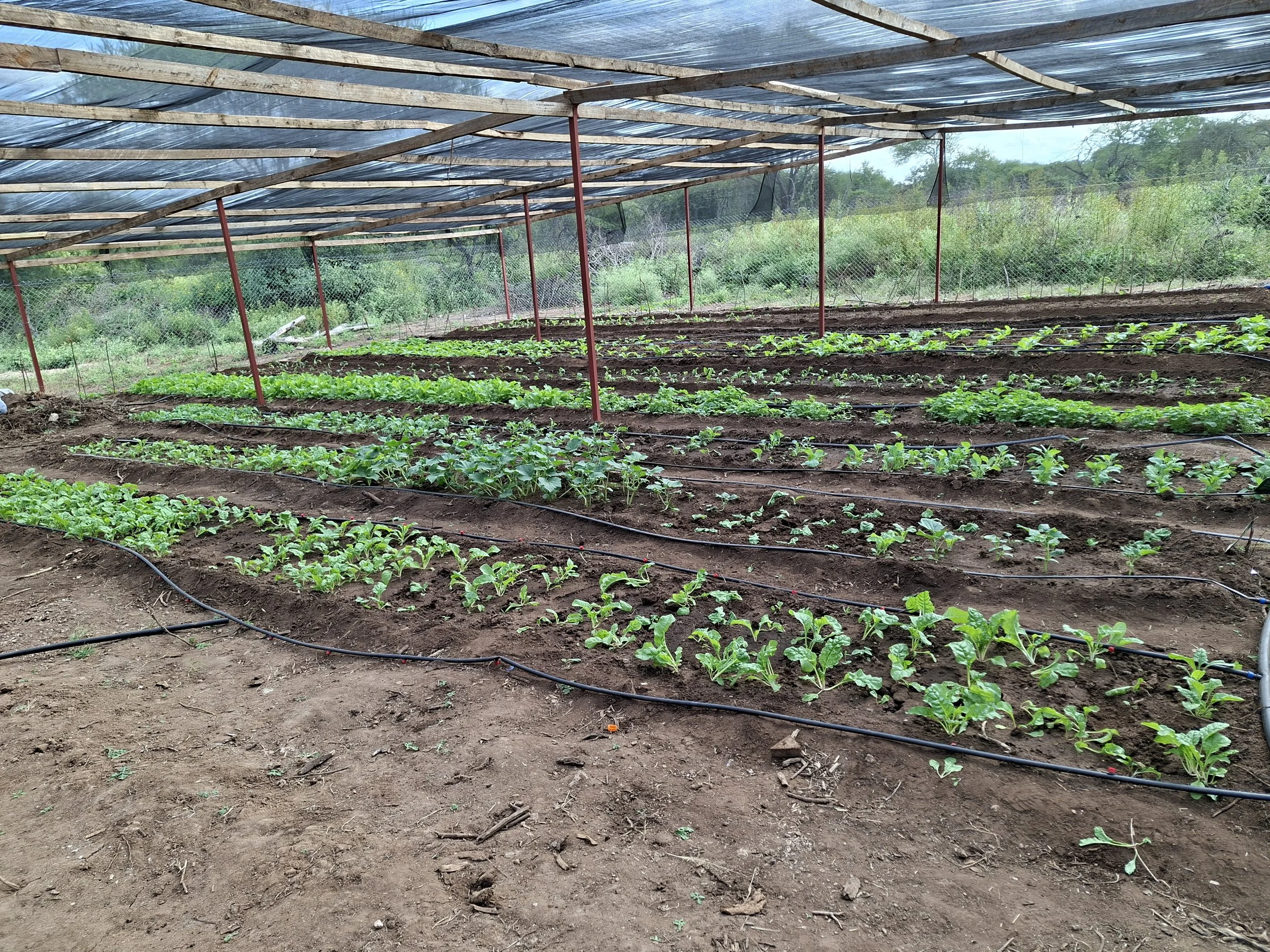
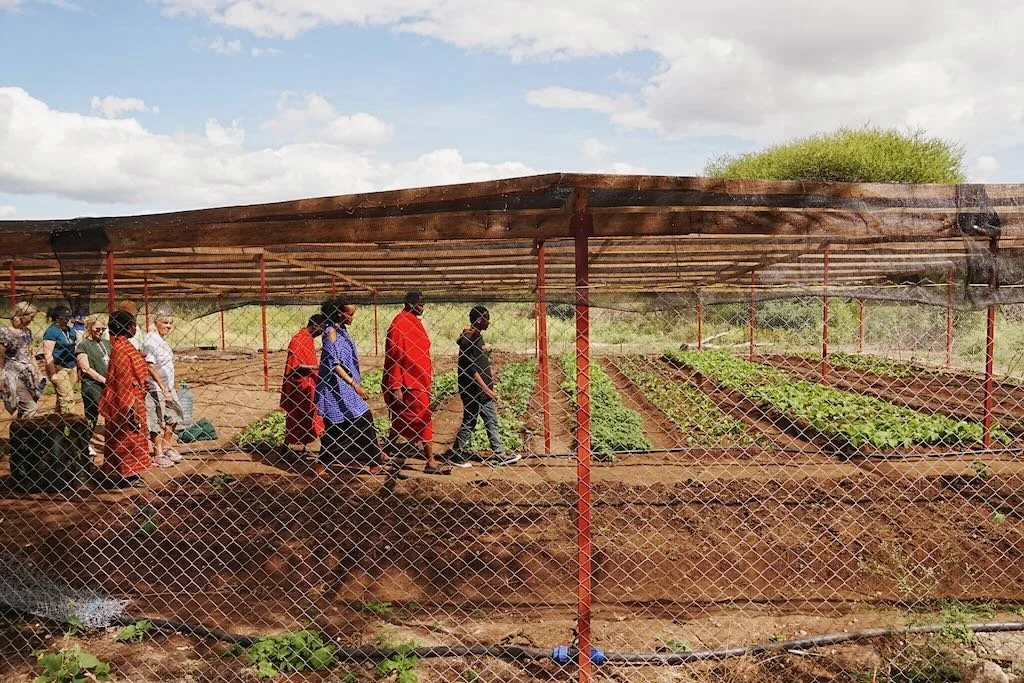
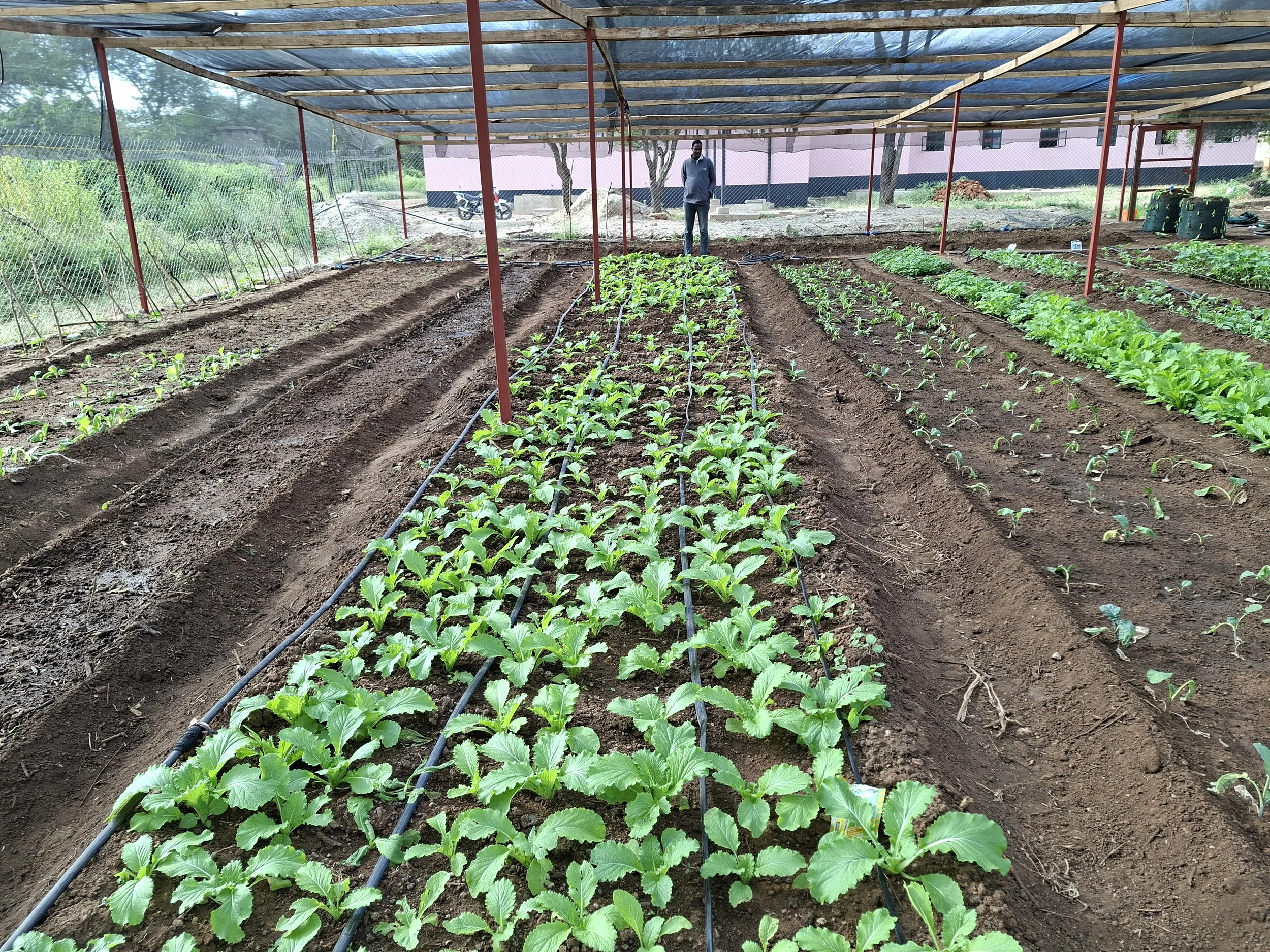
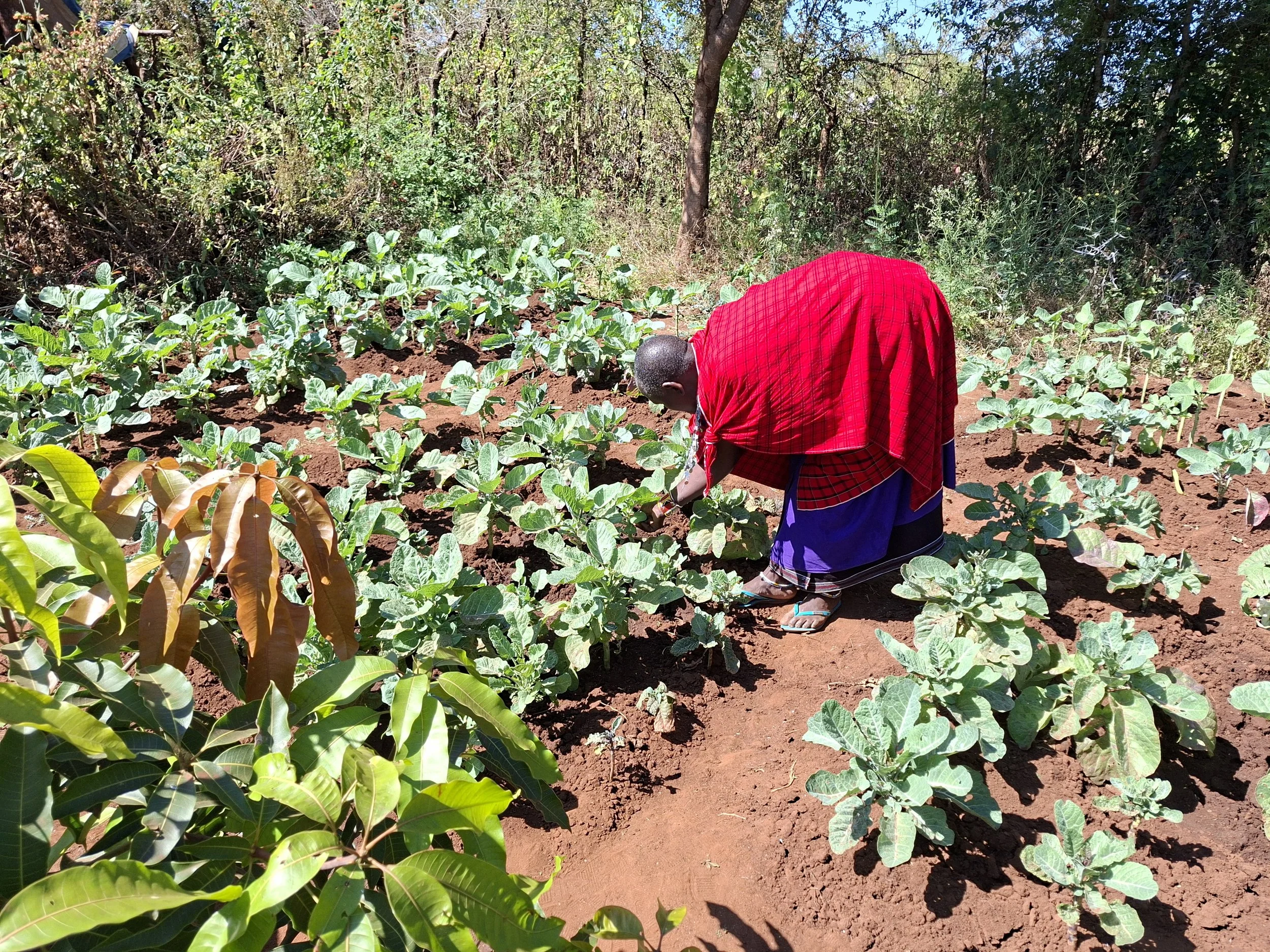
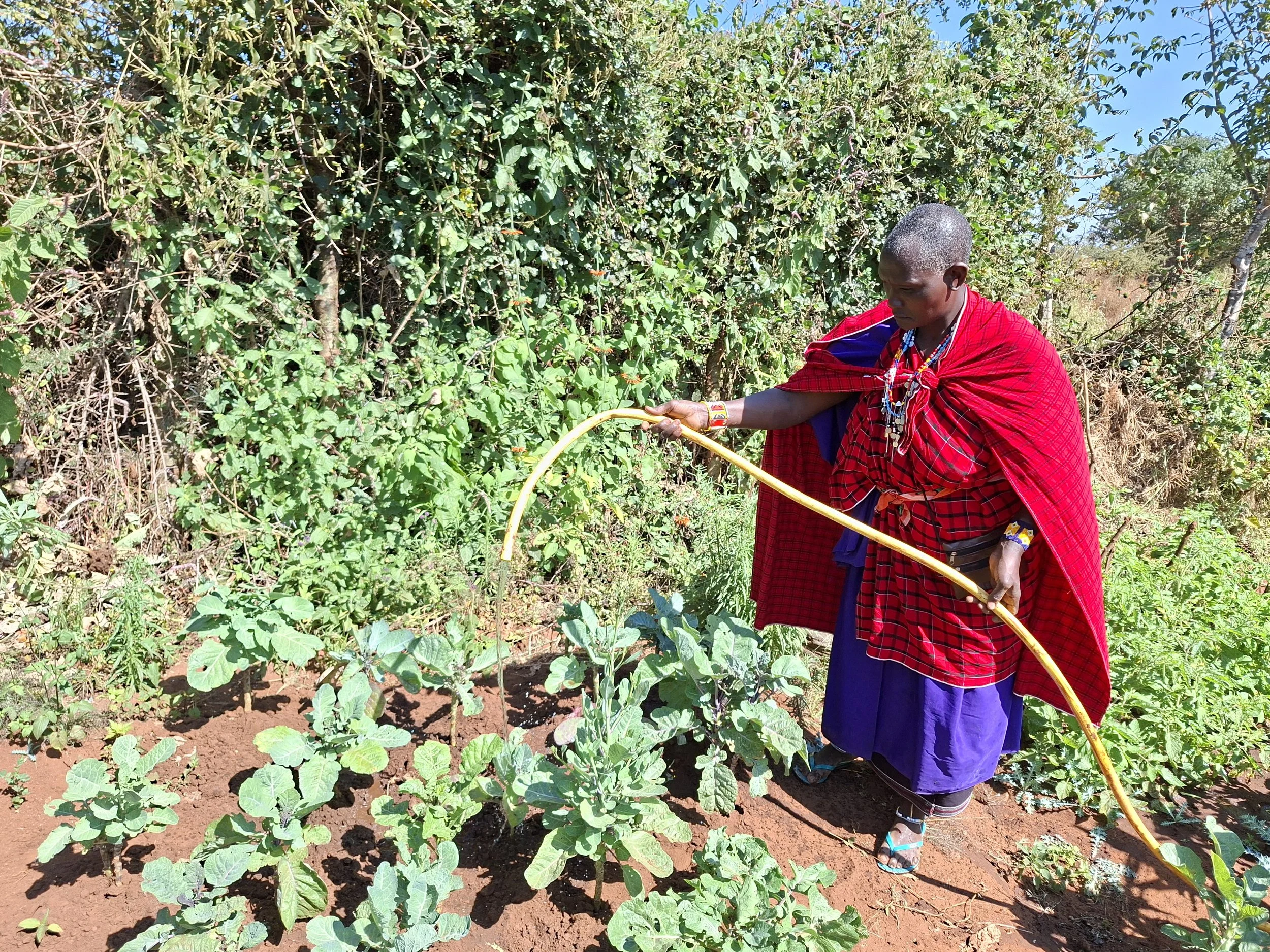
Humanity for Children's Nutrition & Permaculture Garden Tower Project addresses these challenges through nutrition education, sustainable agriculture, and community-led solutions. At our demonstration garden in Loiborsiret, families, primarily women, participate in hands-on workshops where they learn to grow nutrient-rich vegetables and incorporate them into their family's daily meals.
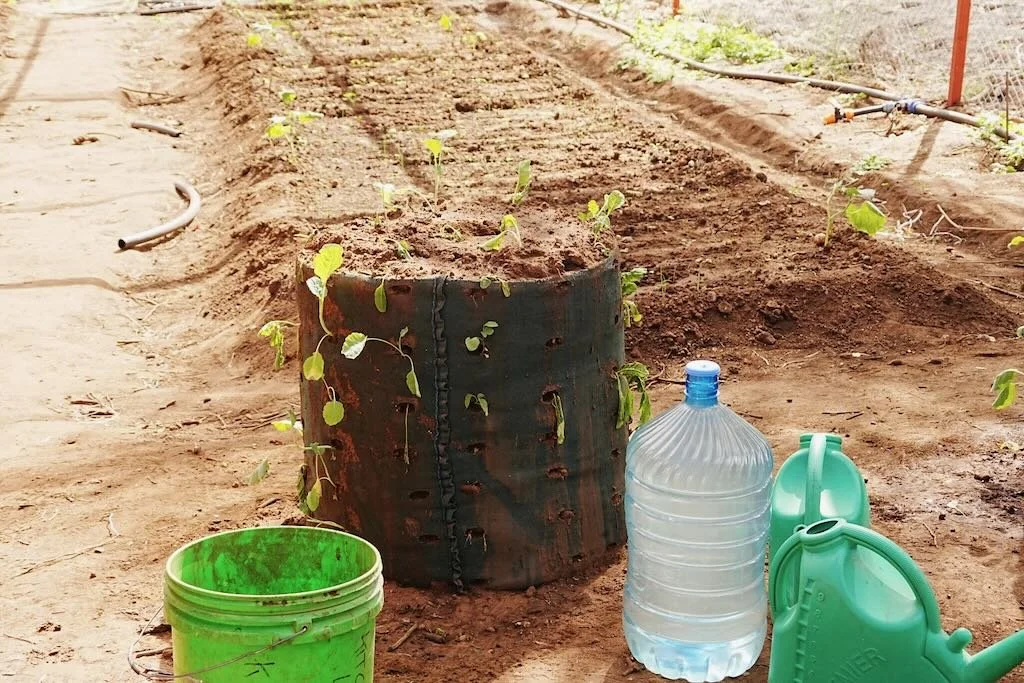
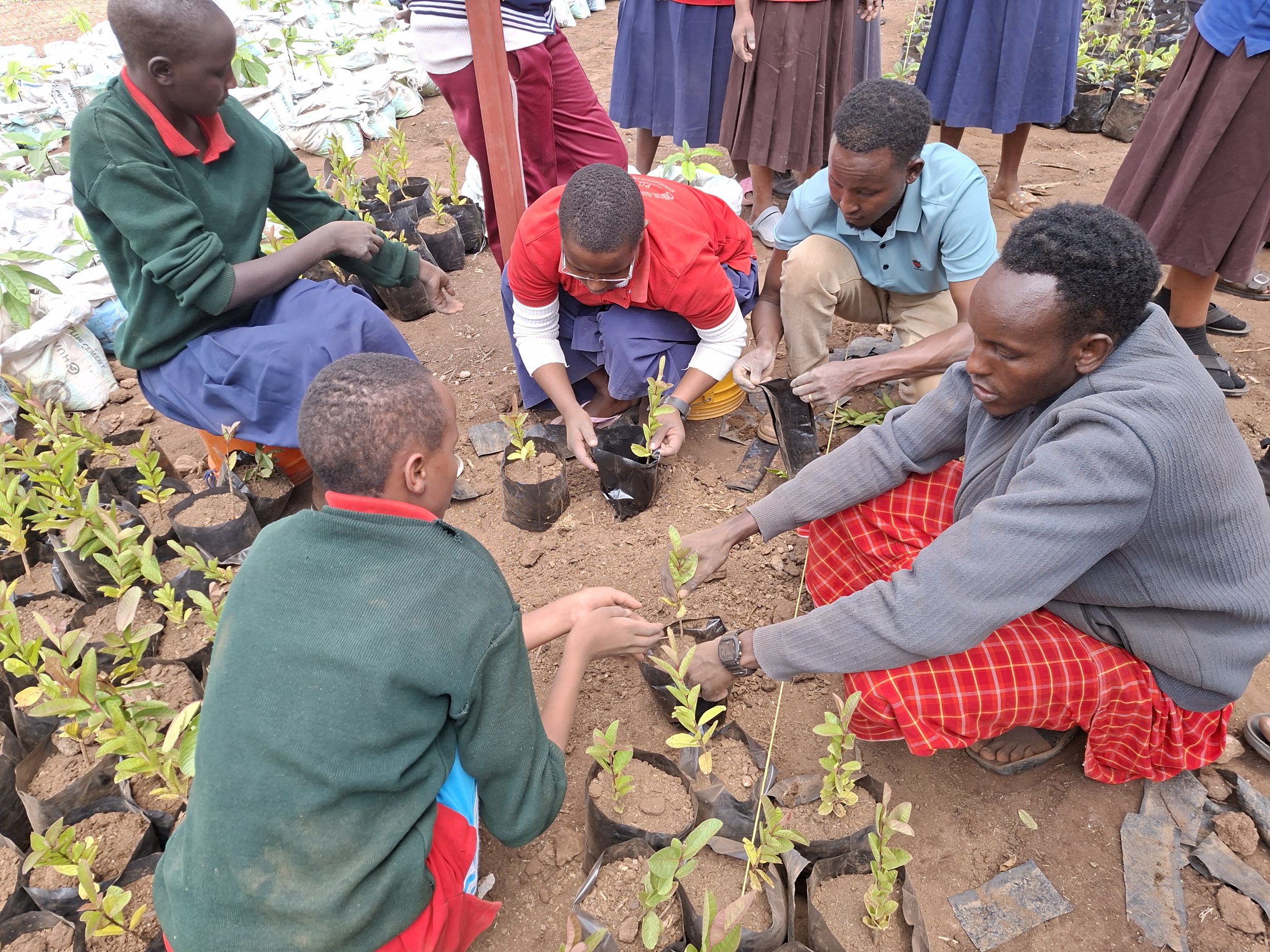
A key feature of the program is the garden tower, a space-efficient vertical garden that can be maintained just steps from a family's home, even within a traditional Maasai boma. Constructed from durable landscape fabric by HFC-supported seamstresses, these towers require minimal space and water while producing a wide variety of vegetables. To help families get started successfully, HFC is developing a seedling nursery so participants leave each training with healthy young plants ready for their towers and gardens.
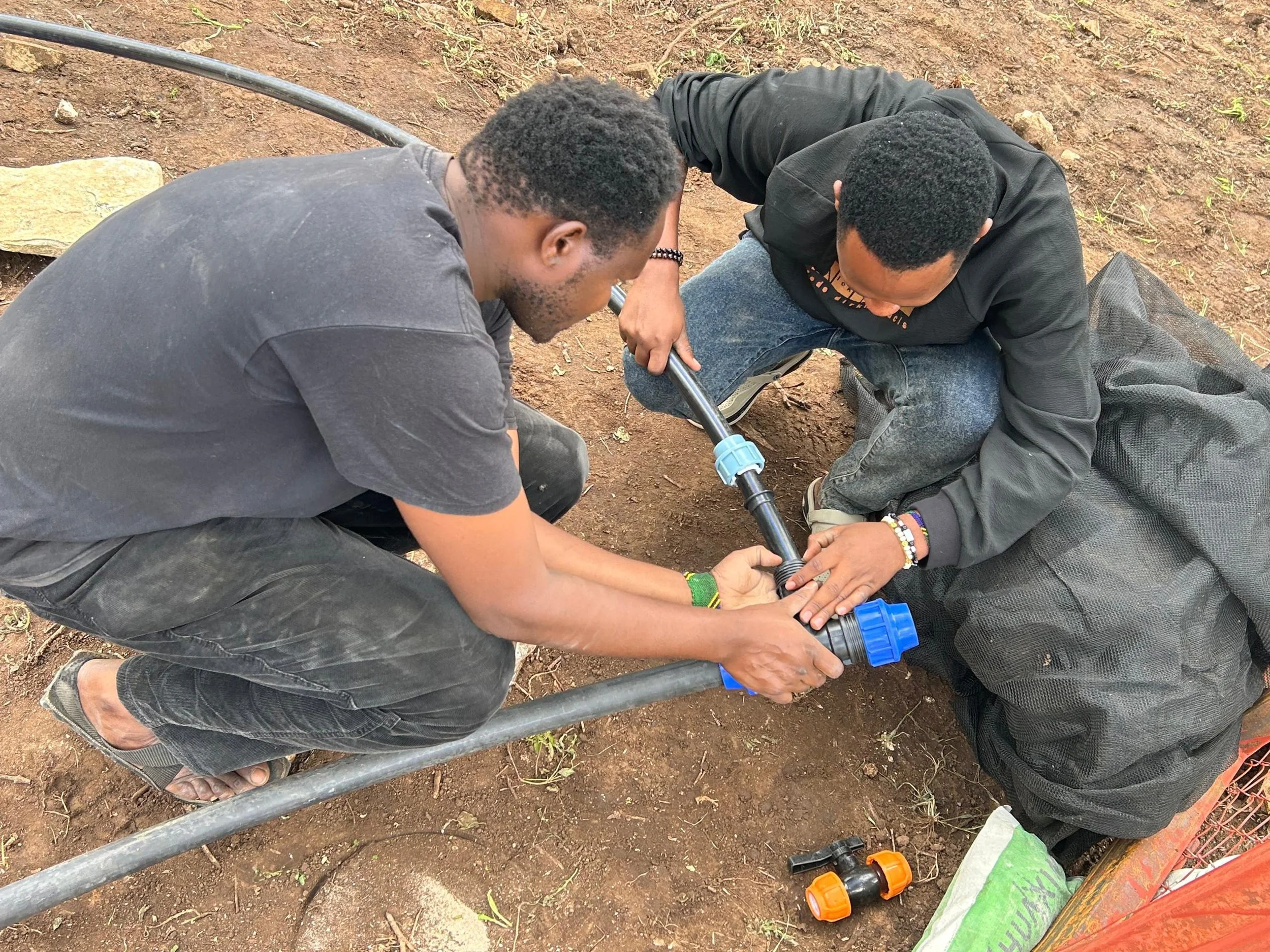
The project also promotes innovative water conservation practices. At Loiborsiret Secondary School, HFC is supporting the development of a graywater irrigation system that reuses water from the 3 Sisters Dorm, a dormitory funded by HFC partners. The system will provide water for gardens and nurseries while demonstrating practical, sustainable solutions that students can replicate in their own communities.
Through nutrition education, garden tower distribution, seedling production, and water-smart agricultural practices, HFC is helping families increase access to fresh vegetables, improve nutrition, and build healthier, more resilient communities.
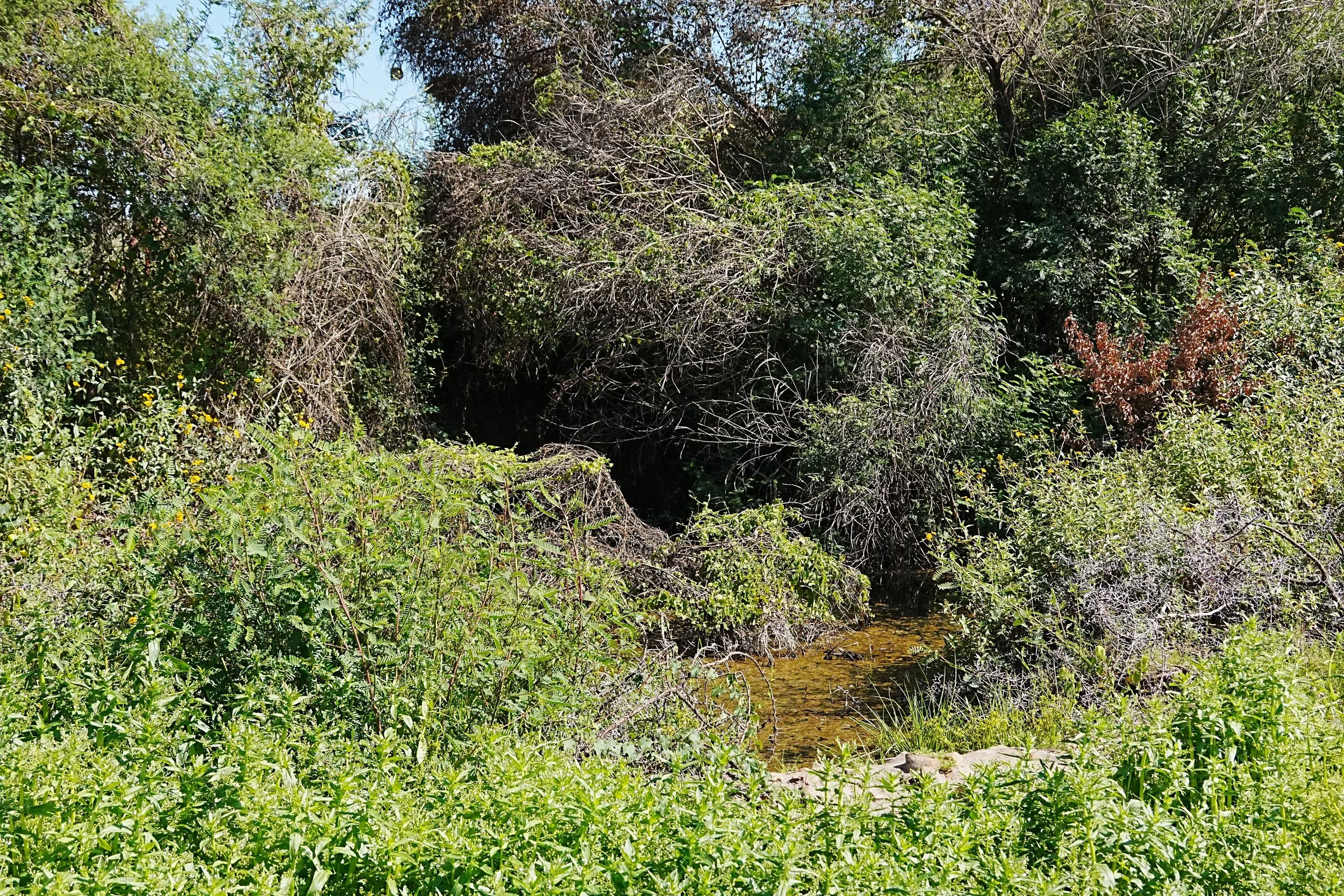
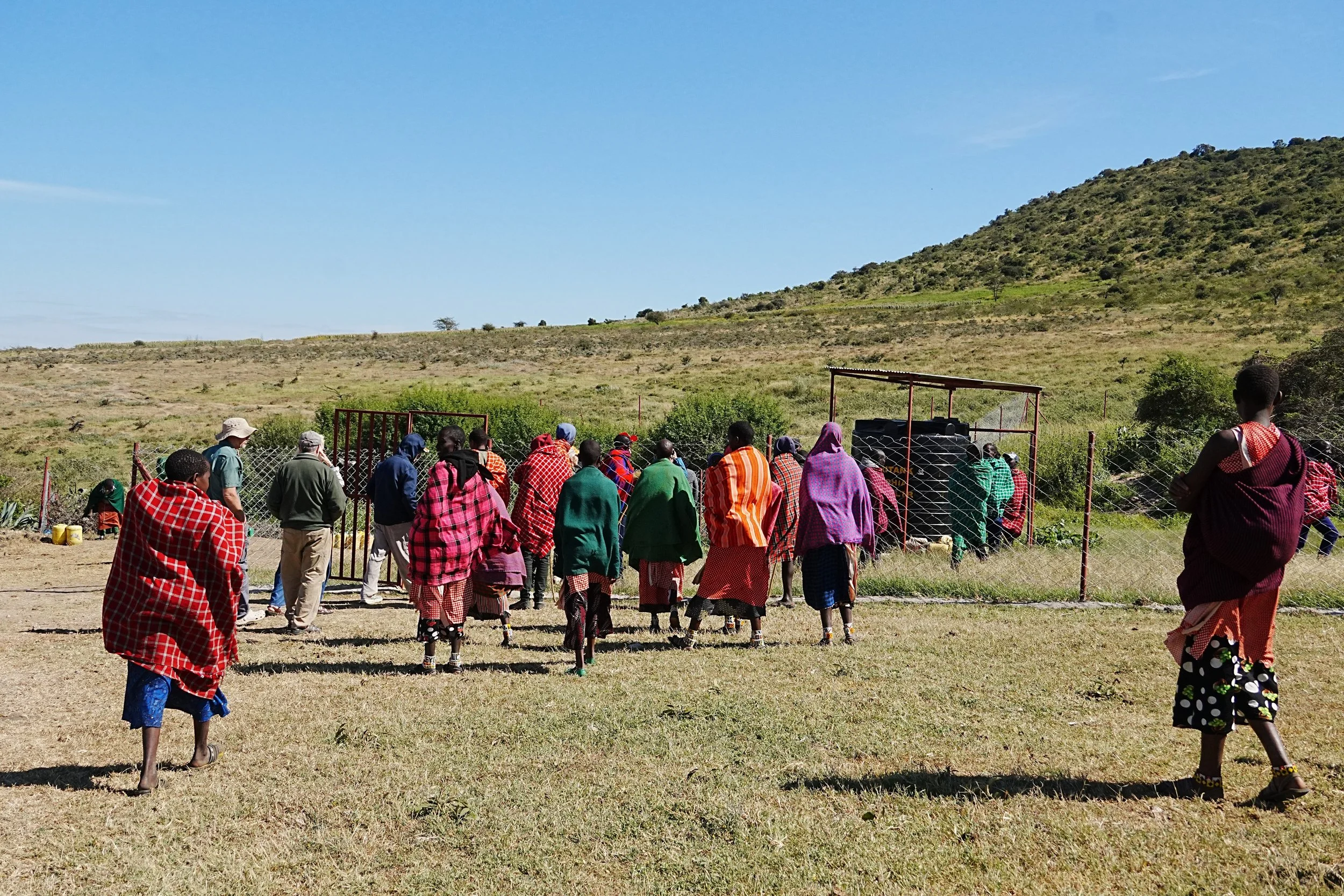
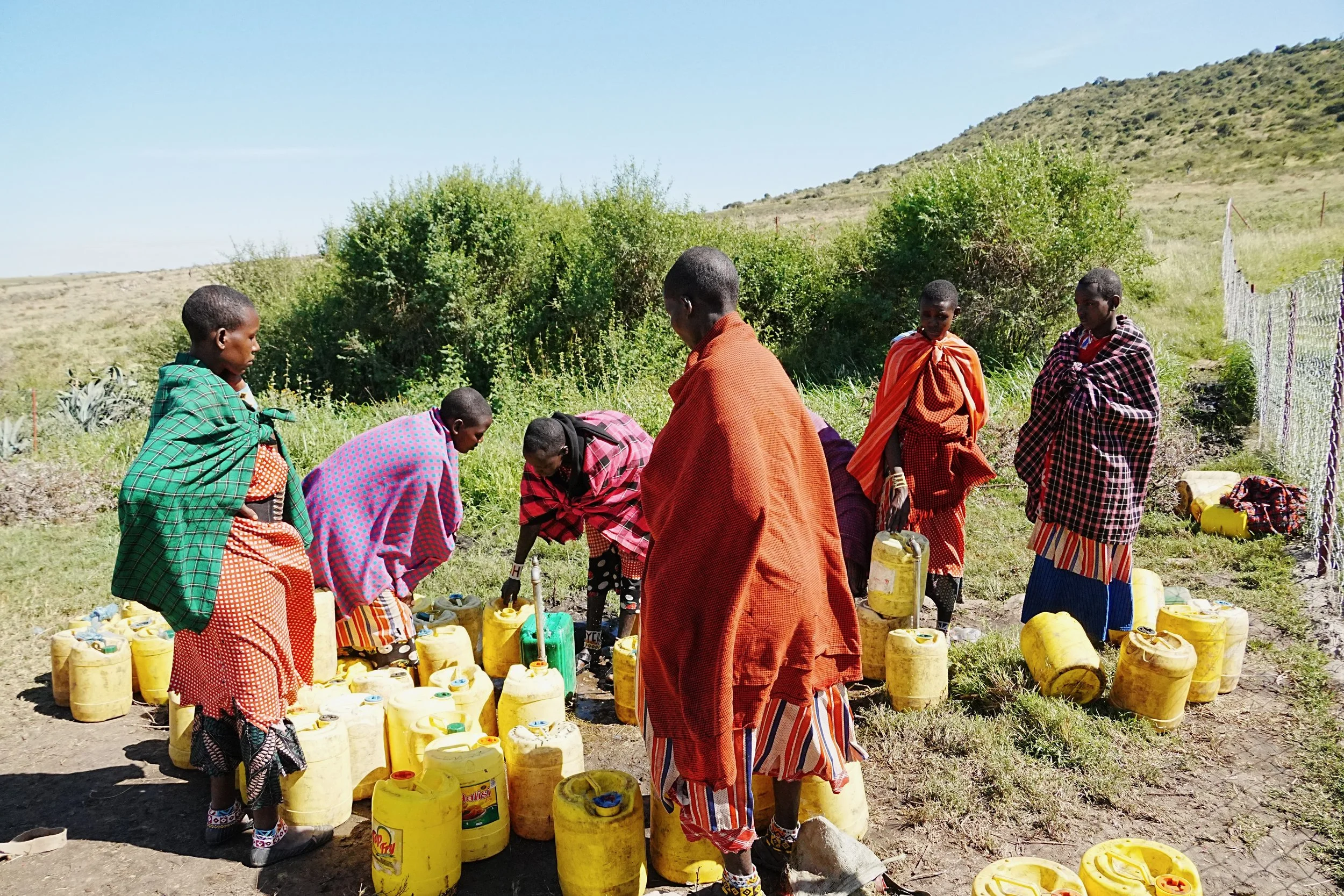
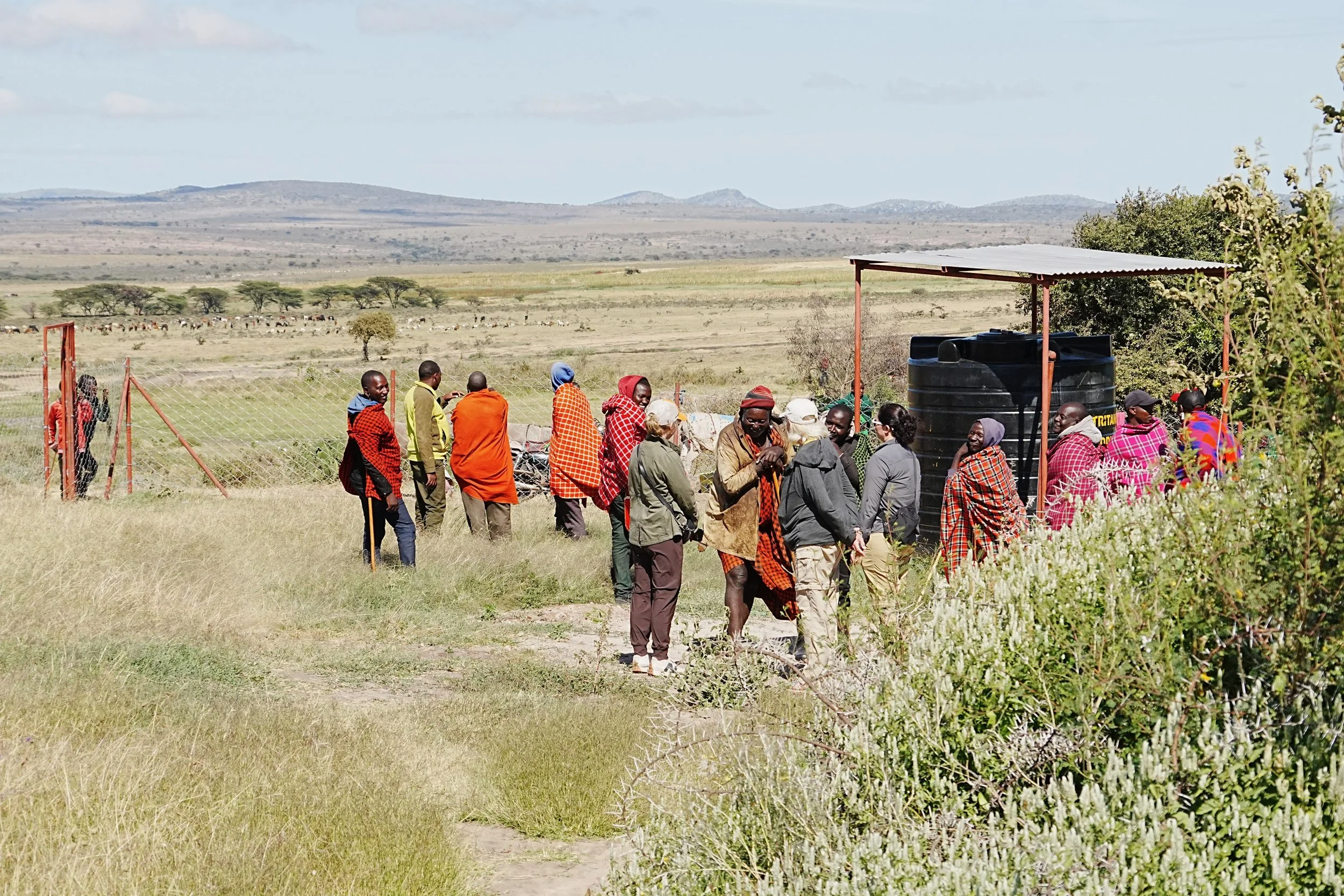
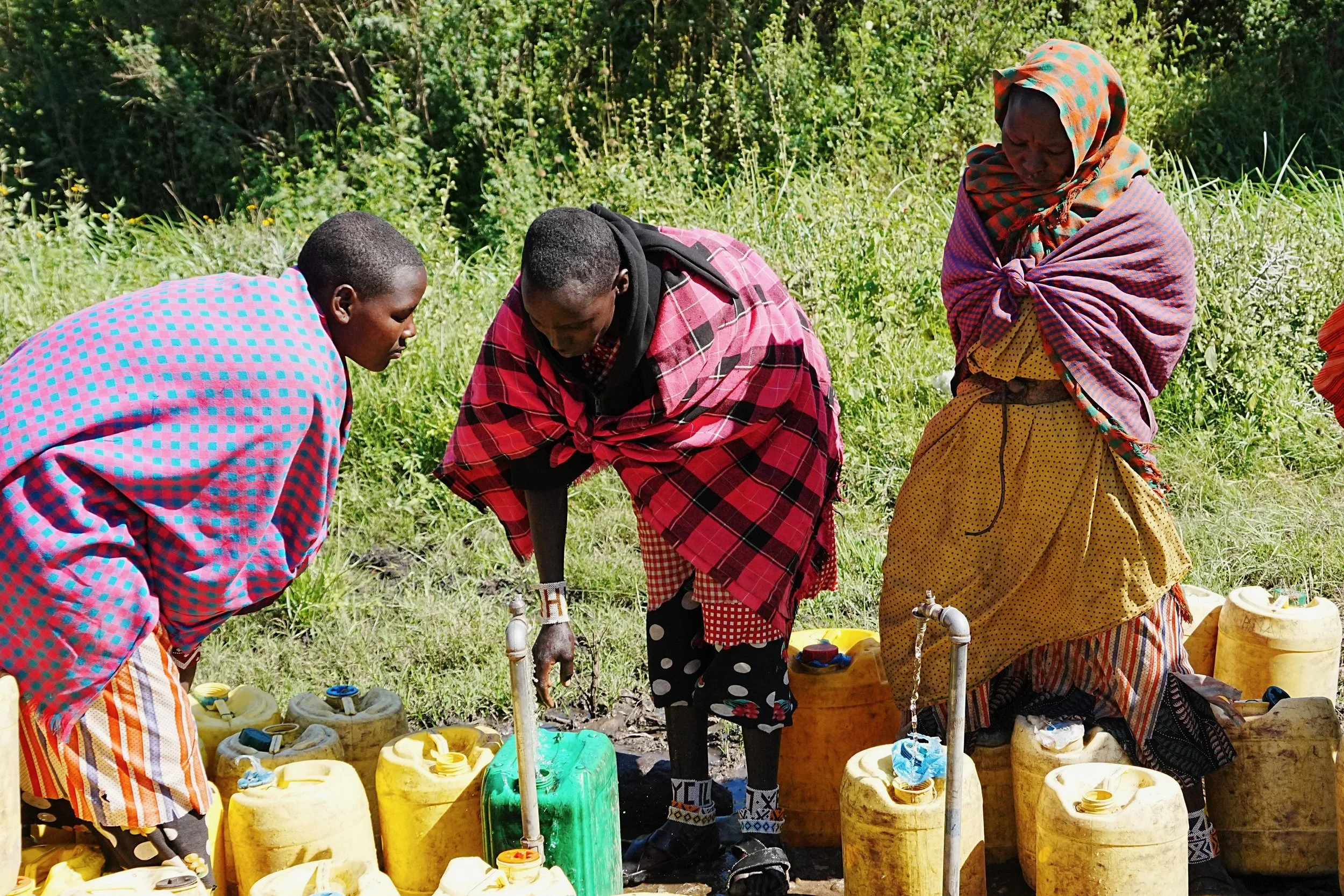
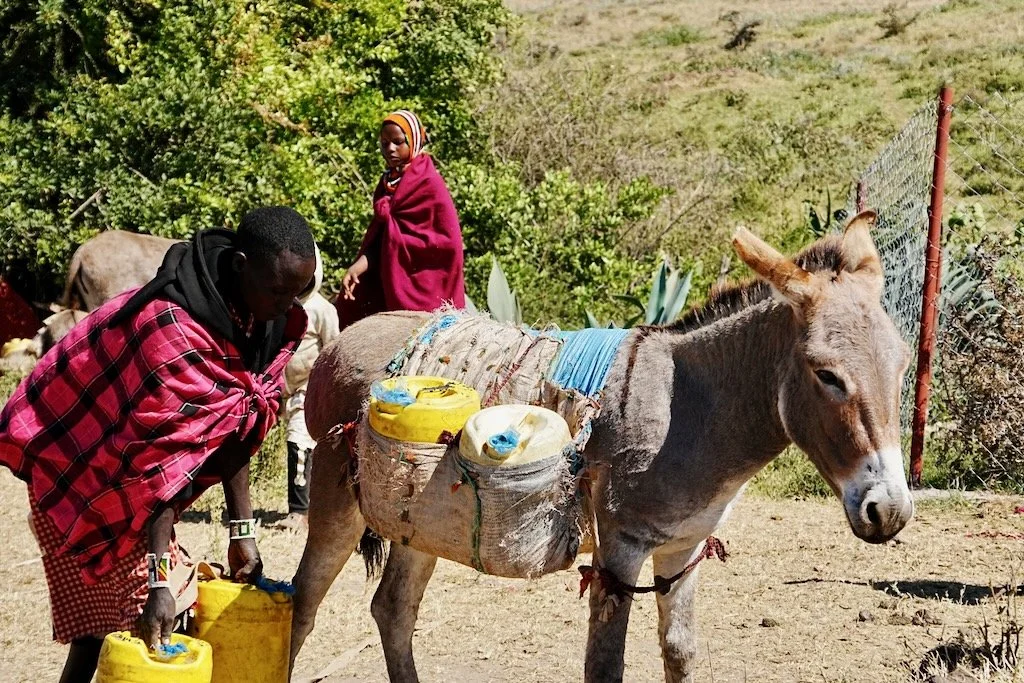
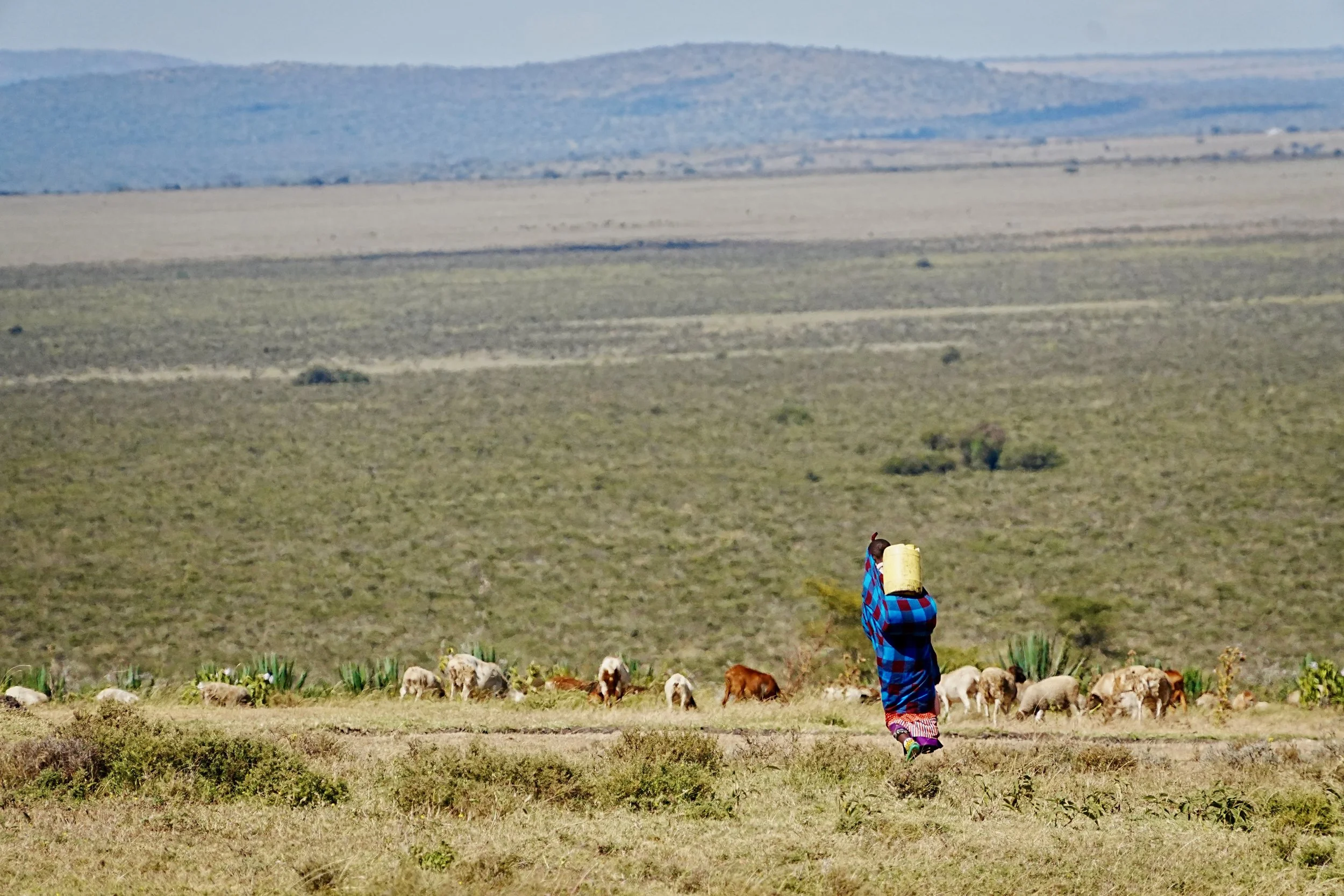
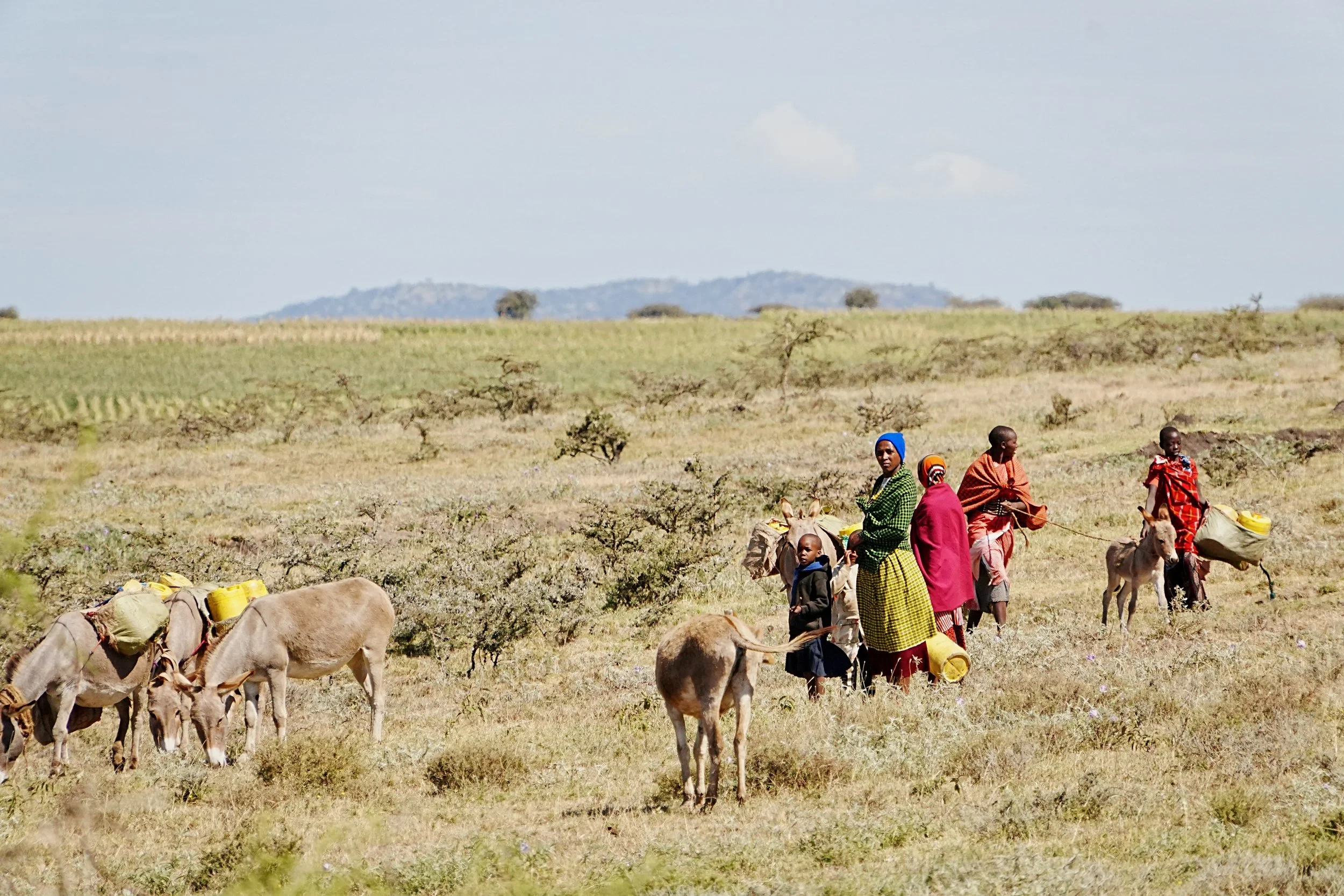
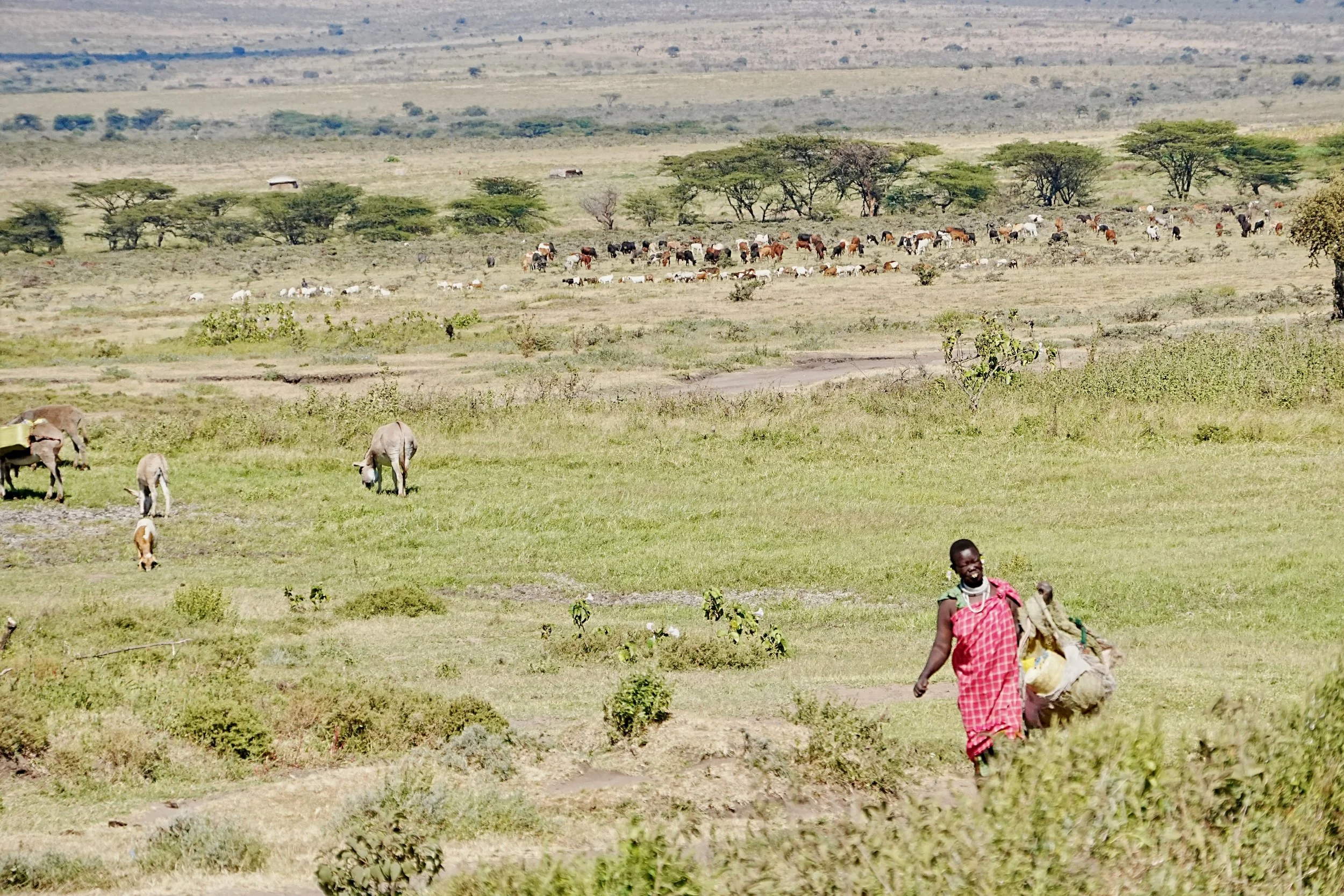
Access to safe water became a priority identified by the Oloipiri community after years of successful collaboration on initiatives including a livestock project, preschool, and birthing center. During drought seasons, a hand-dug spring serves as the only reliable water source for hundreds of families. Without it, many women would travel up to five hours with their donkeys to collect water from distant sources.
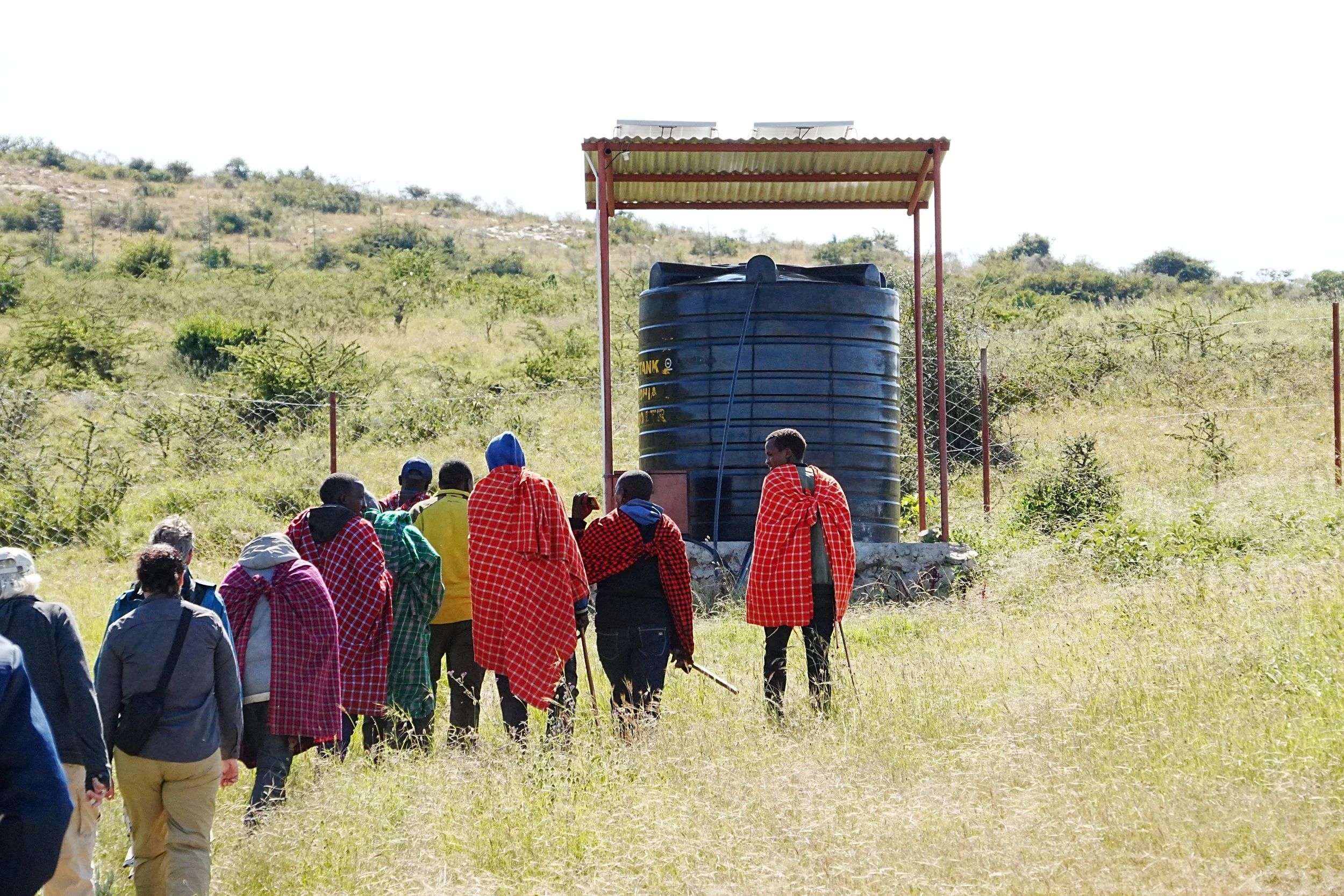
In partnership with the community, Humanity for Children collaborates partners to help protect and improve this vital resource through a solar-powered water treatment system. Water is pumped into elevated storage tanks where sediment and contaminants are removed before being safely distributed through a supervised public spigot. Protective fencing and sanitation measures help prevent contamination from livestock and wildlife, while local management supports long-term sustainability.
This community-led project increases access to safe drinking water, reduces the burden on families during drought periods, and helps improve health outcomes for generations to come.
We walk alongside women and girls to protect their rights, health, and dignity.
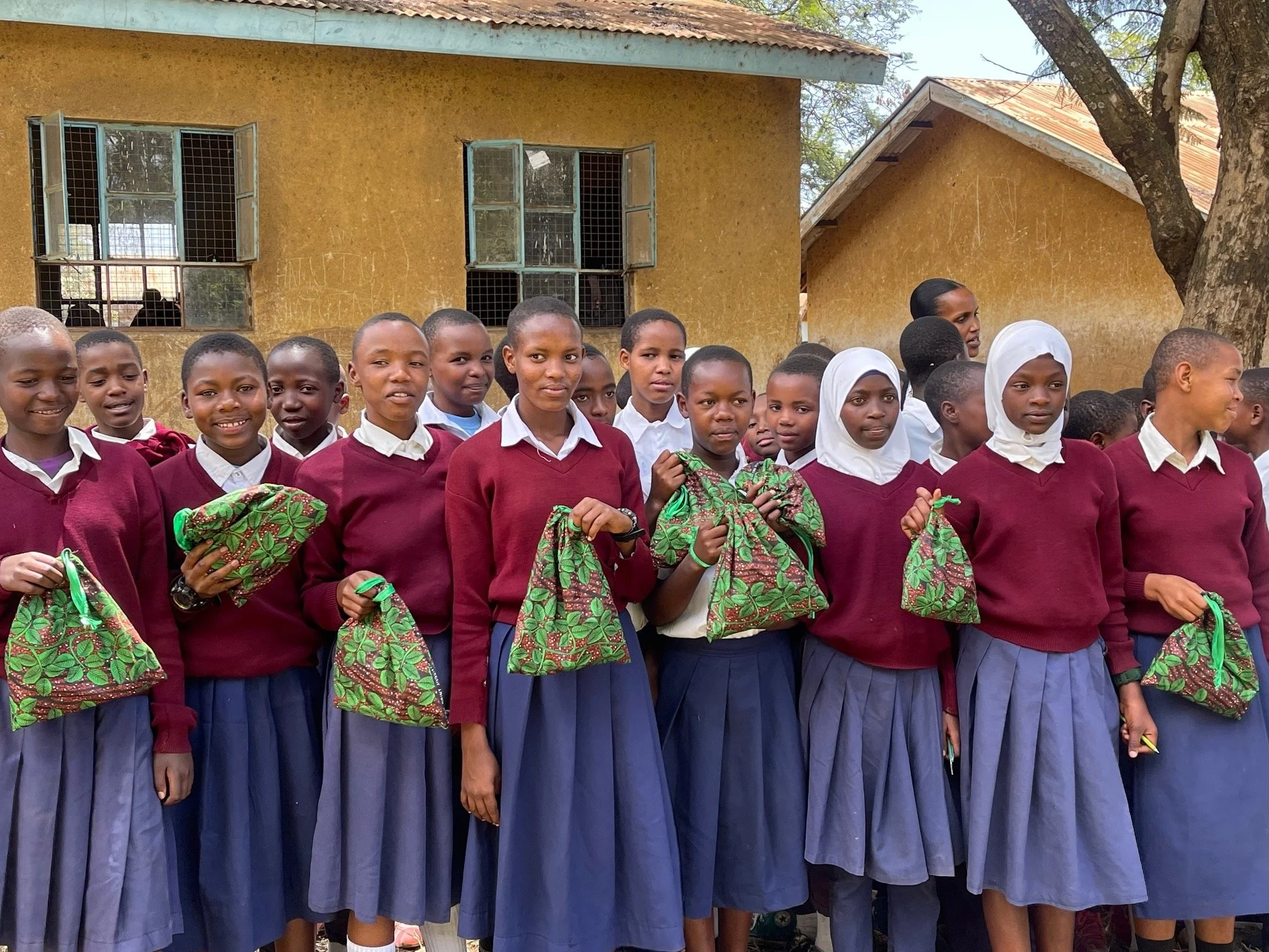
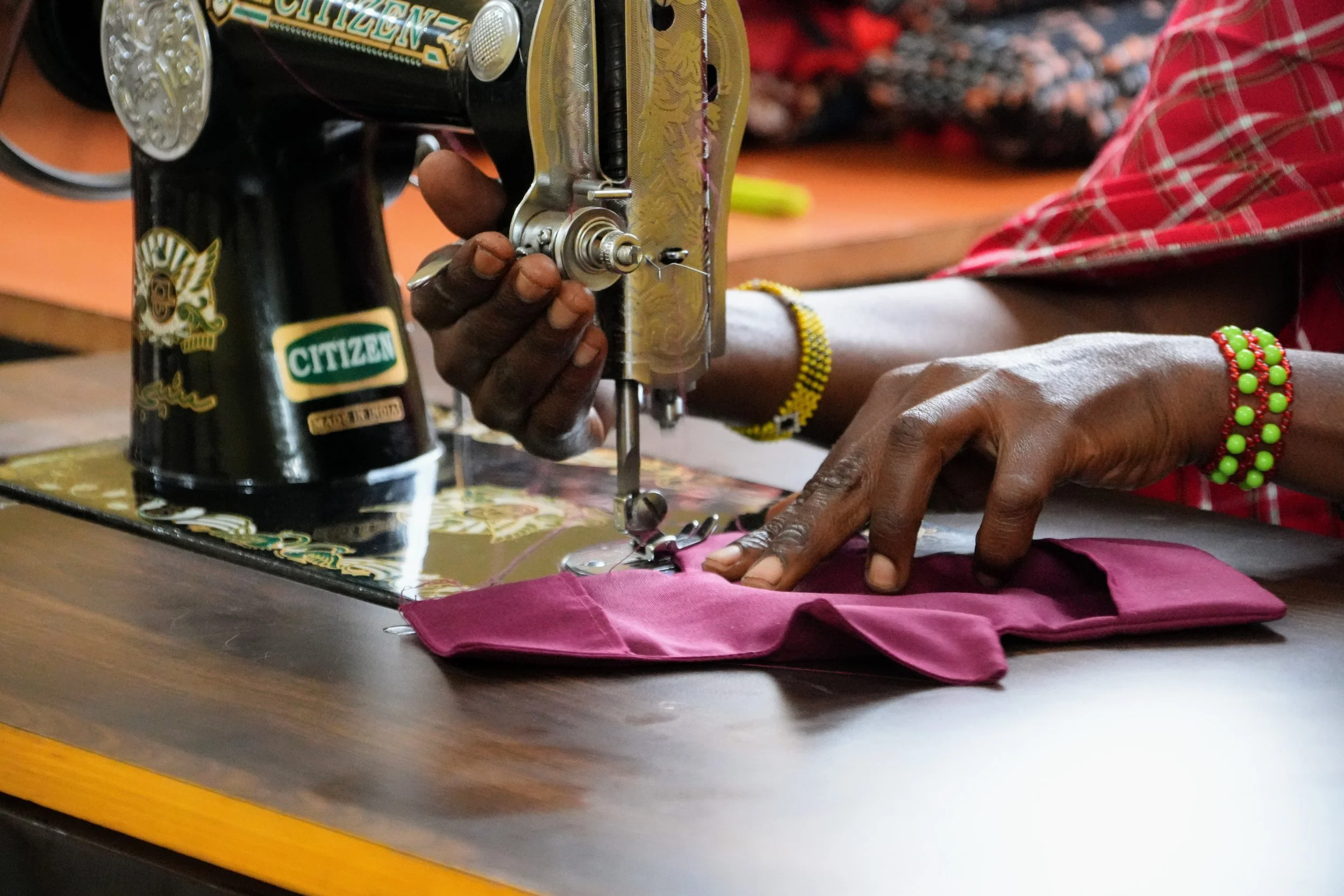
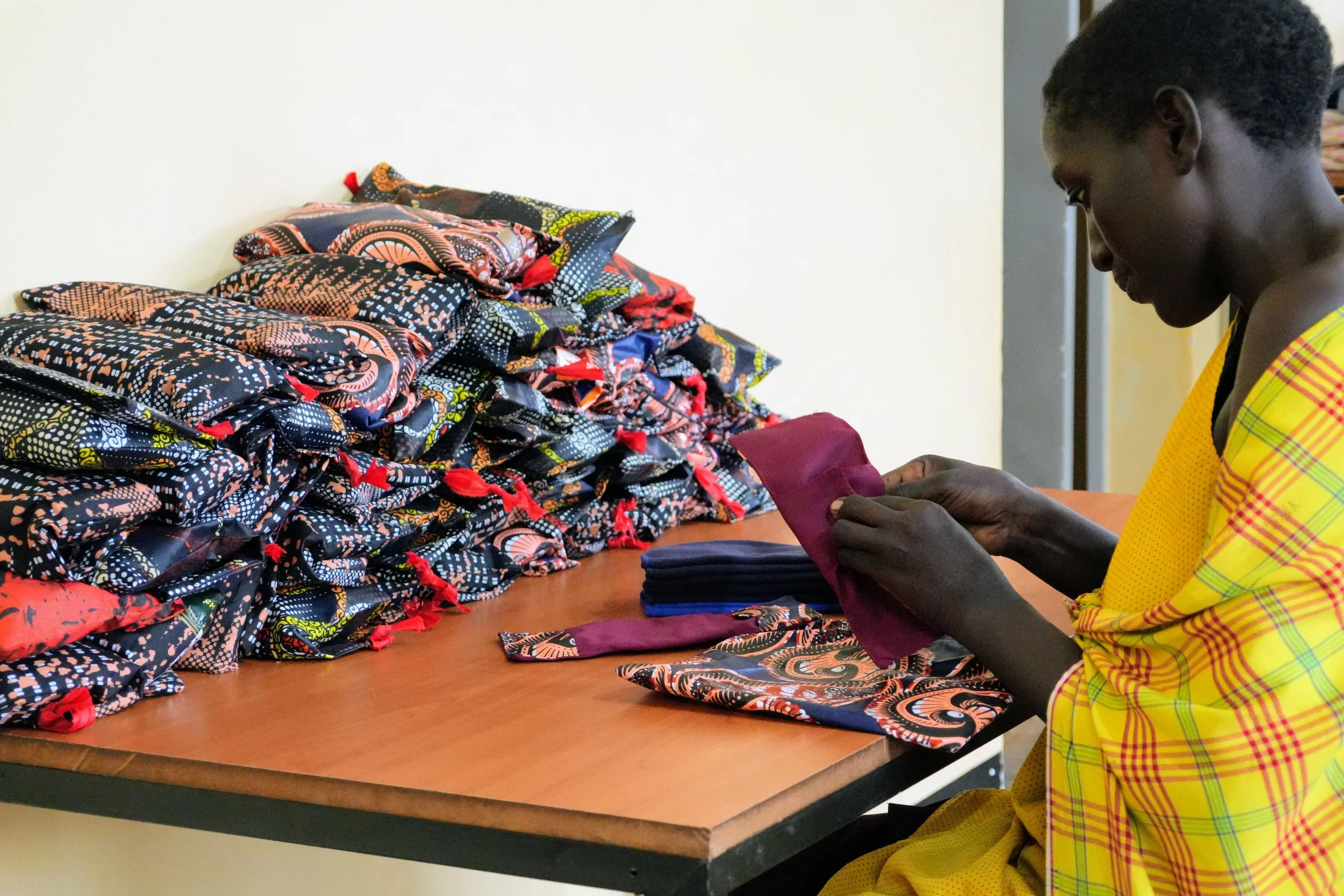
We provide women’s health education and menstrual hygiene products to secondary school girls in Simanjiro District. Our hope is that this will encourage more girls to stay in school, thus delaying marriage and first birthing experience. Accompanying this education is a short-term education workshop for boys on adolescent development and understanding menstrual processes, with the hope that they will be more supportive of their classmates when they have their periods. We have created a micro-business where women are trained in how to make menstruation hygiene management products as well as other products, such as school uniforms that help make the business sustainable.
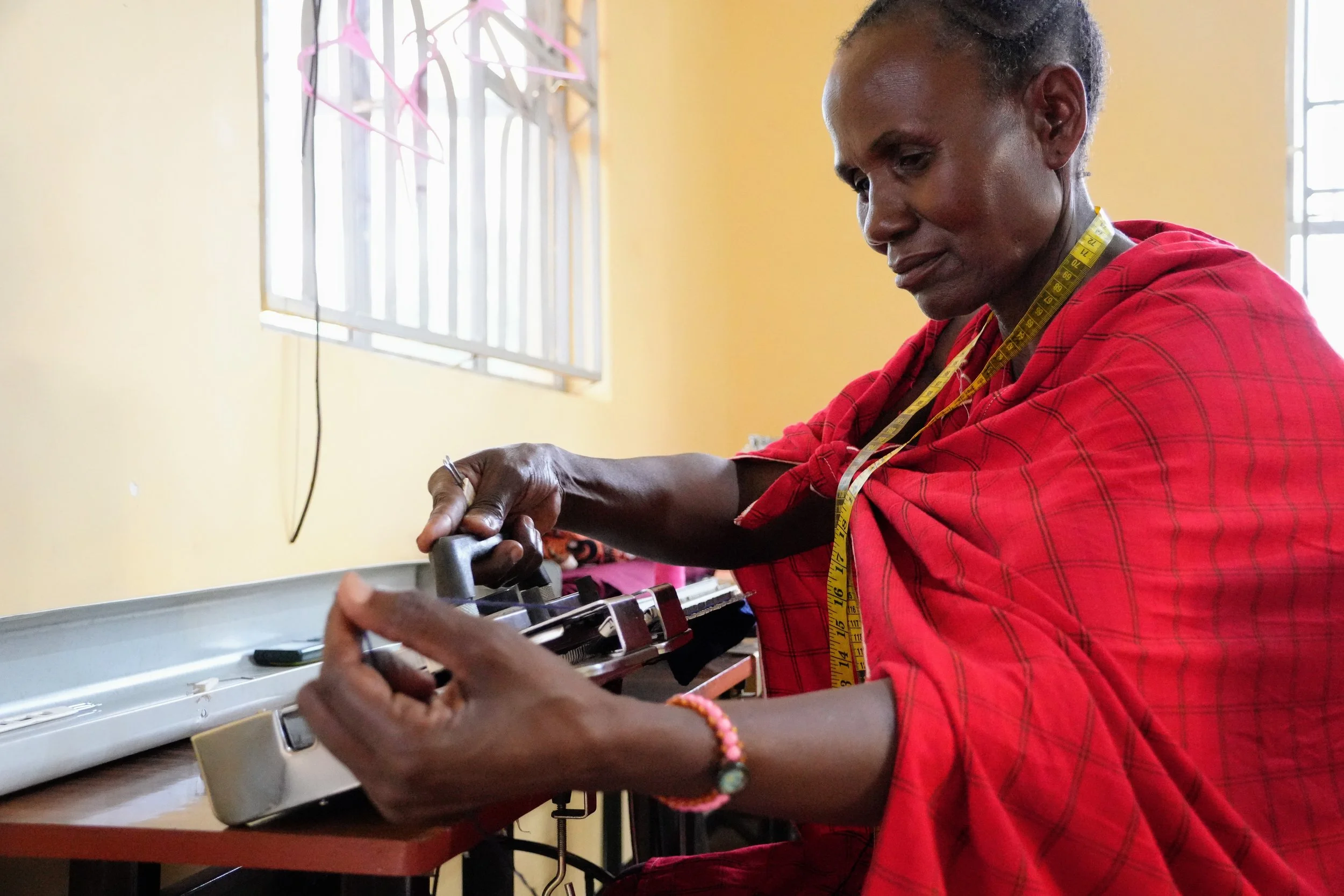
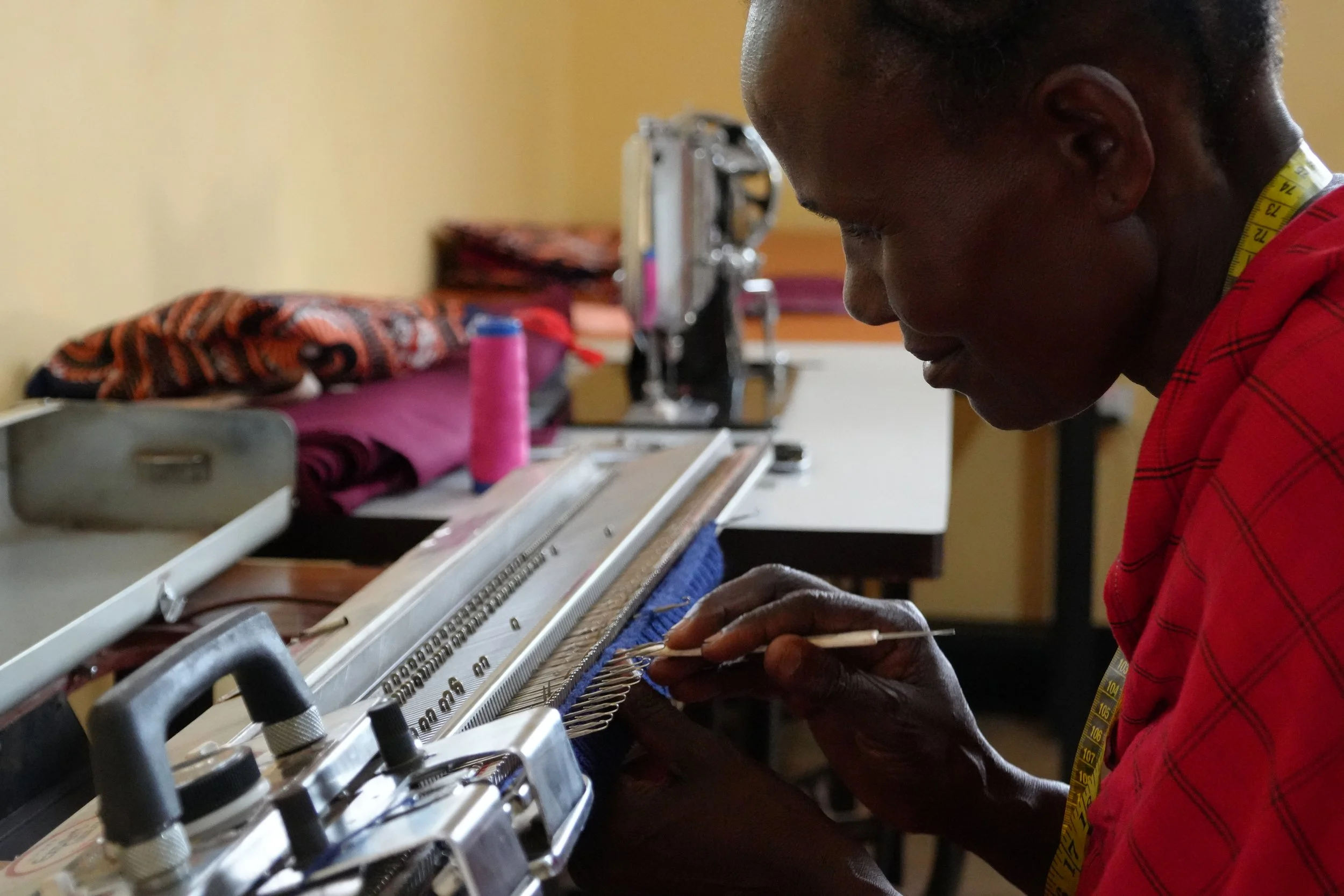
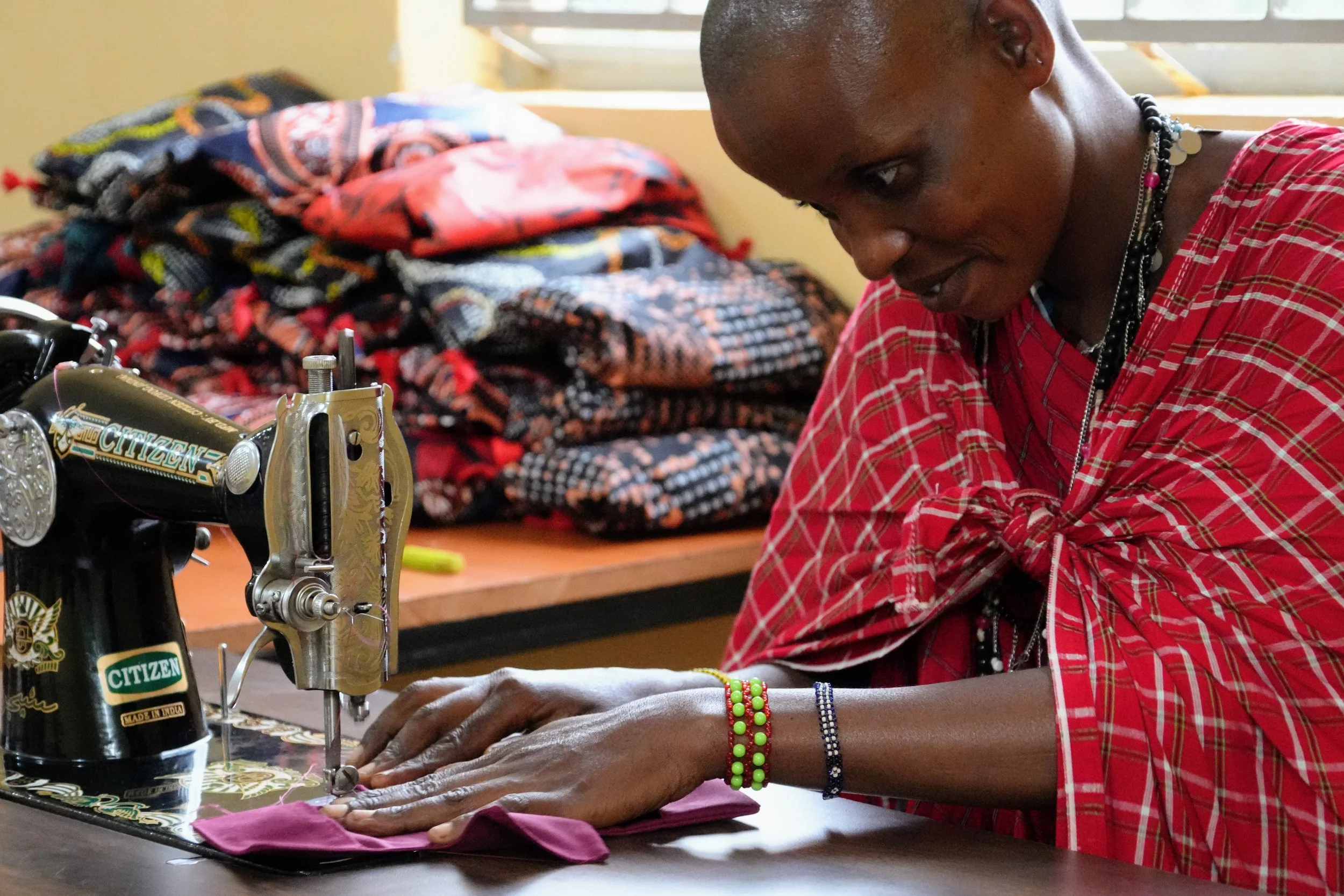
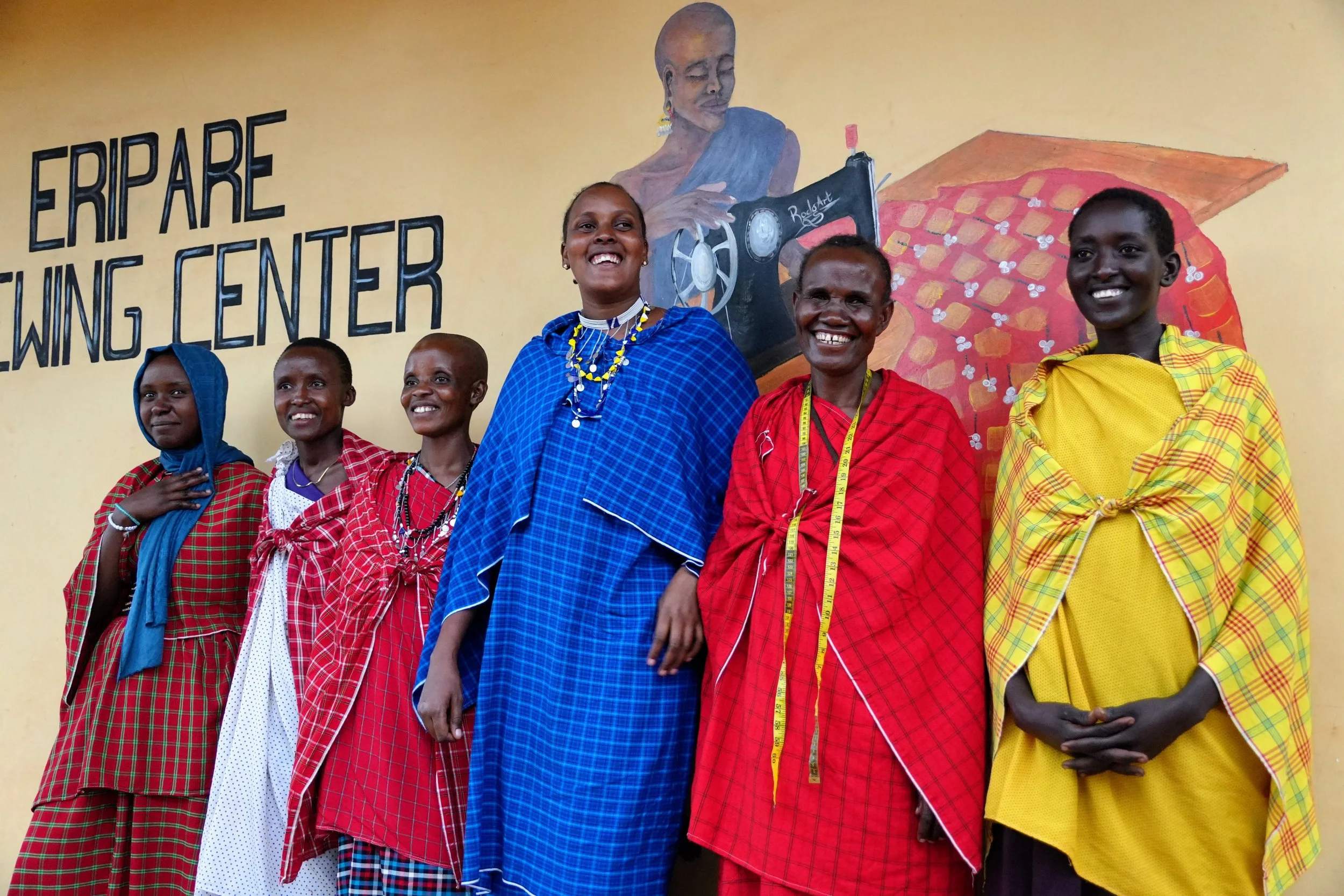
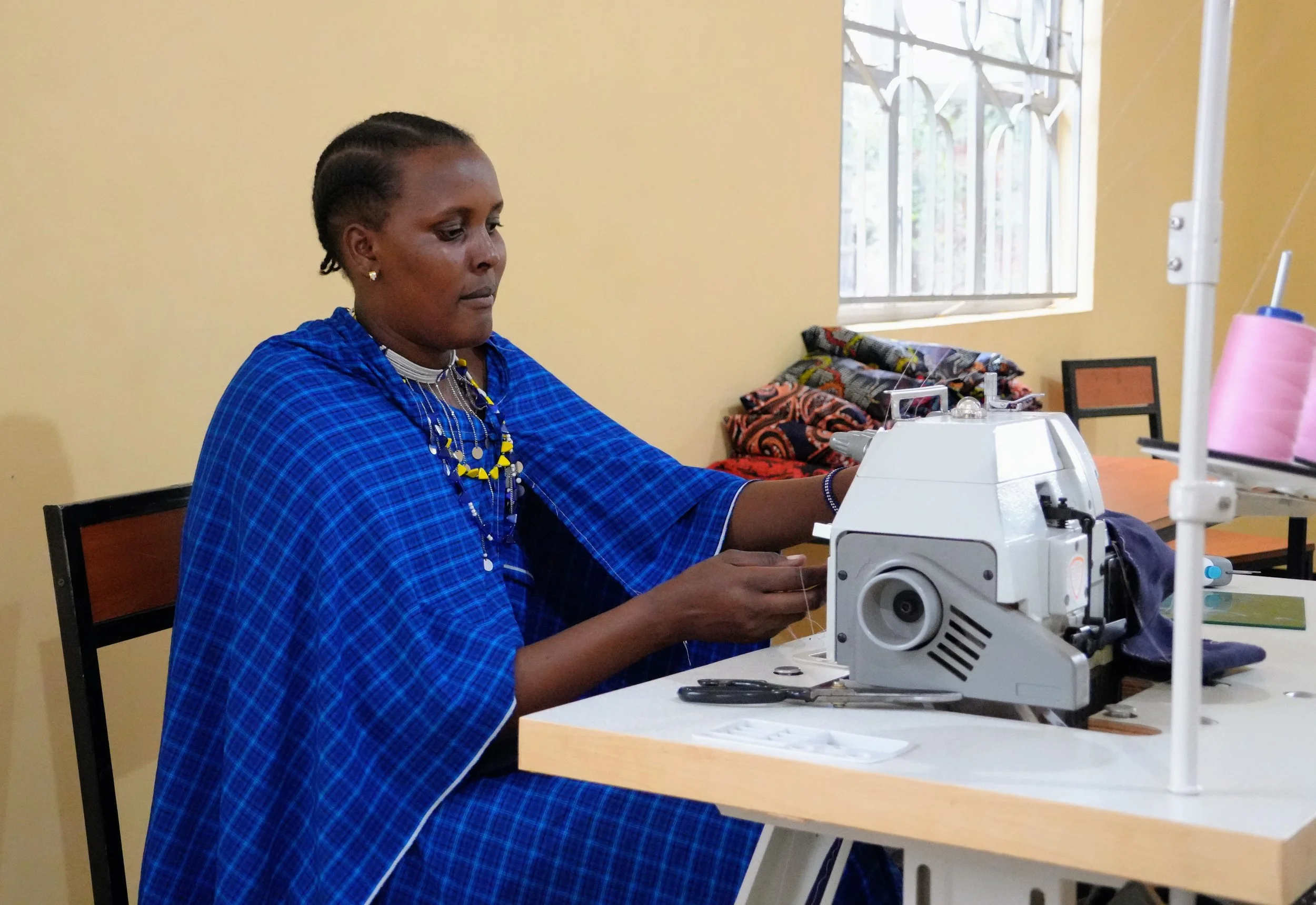
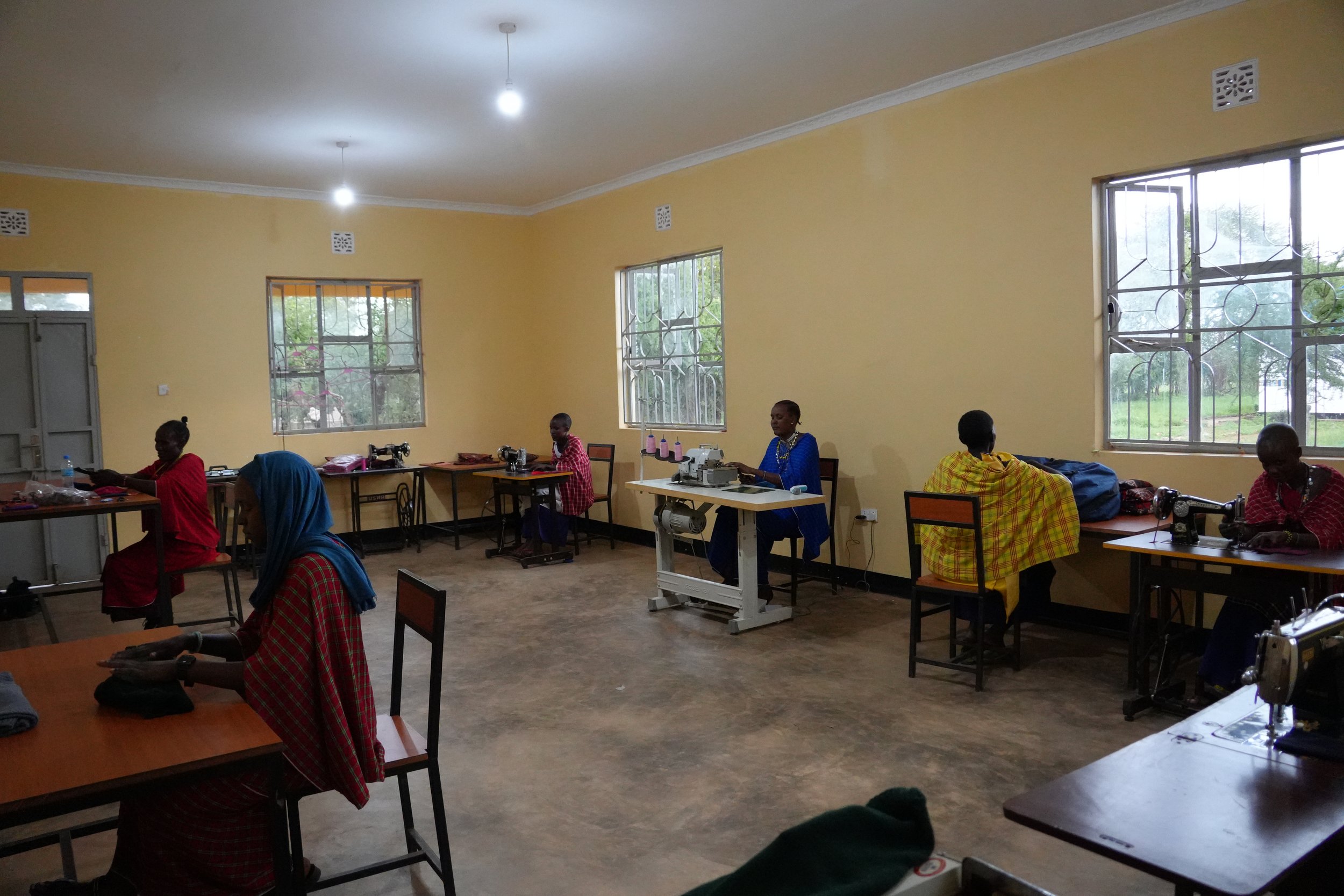
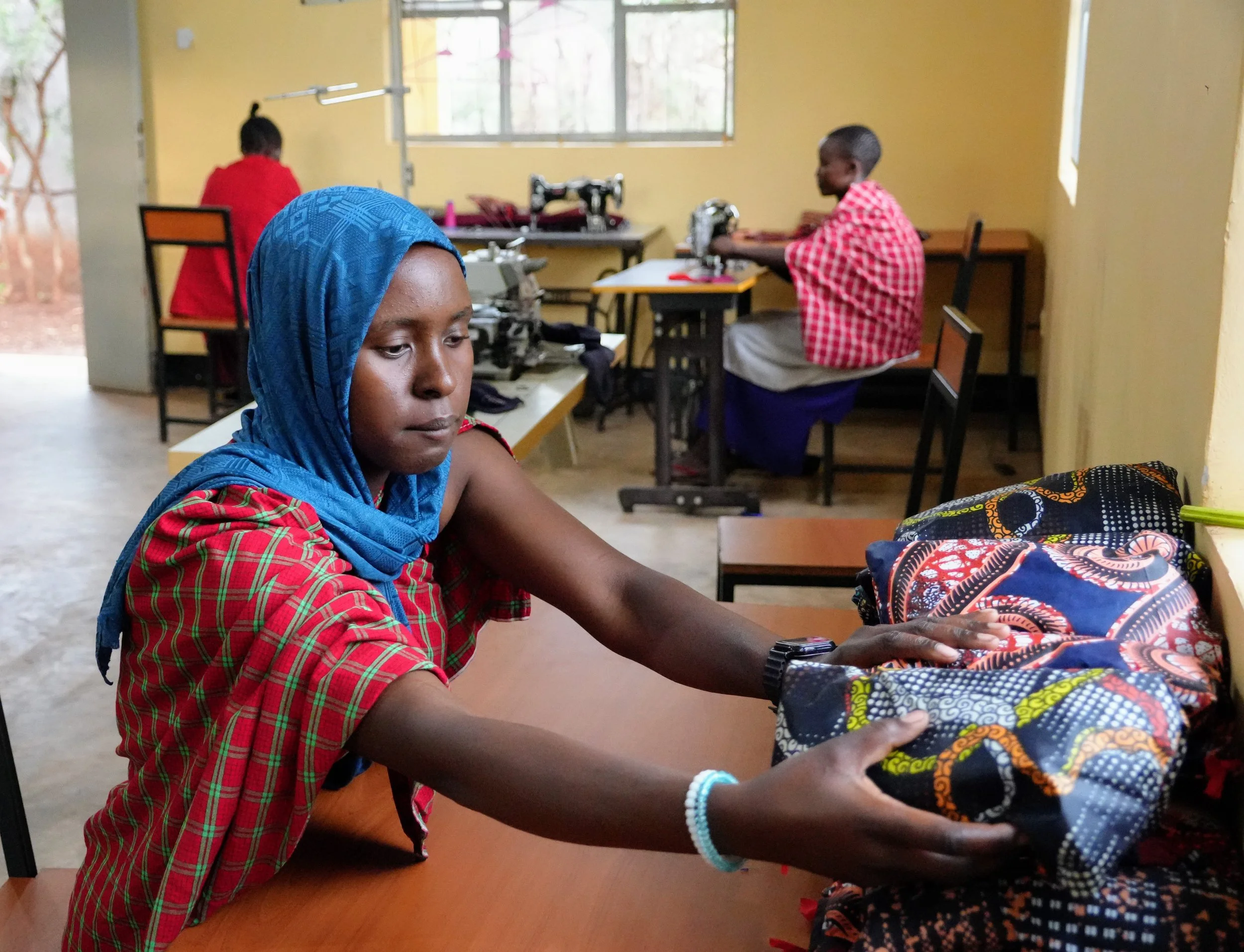
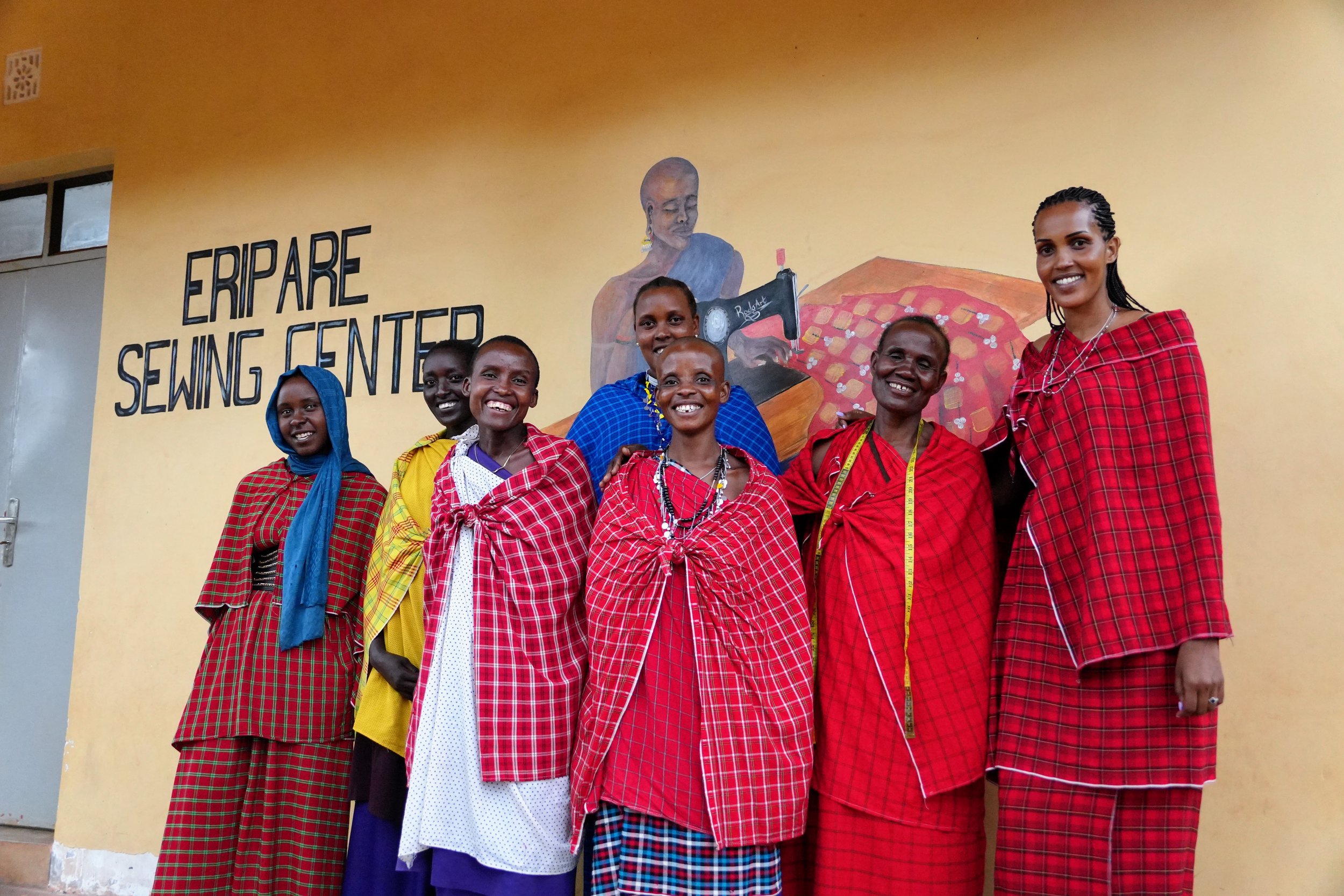
ERIPARE, which means craftmakers in Maa, is a women-led sewing cooperative that creates opportunity through skill development, income generation, and essential community services. Humanity for Children helped establish the sewing center and train local seamstresses, who now produce washable menstrual hygiene kits used by girls throughout the region, along with school uniforms and custom sewing projects.
The center supports trained seamstresses and serves as a vocational training site for young women who have not had the opportunity to complete formal education. Through mentorship, hands-on training, and small business experience, apprentices gain practical skills that can help them build independent and sustainable livelihoods. ERIPARE strengthens the economic well-being of women and families while supporting girls' education, dignity, and opportunity across the community.
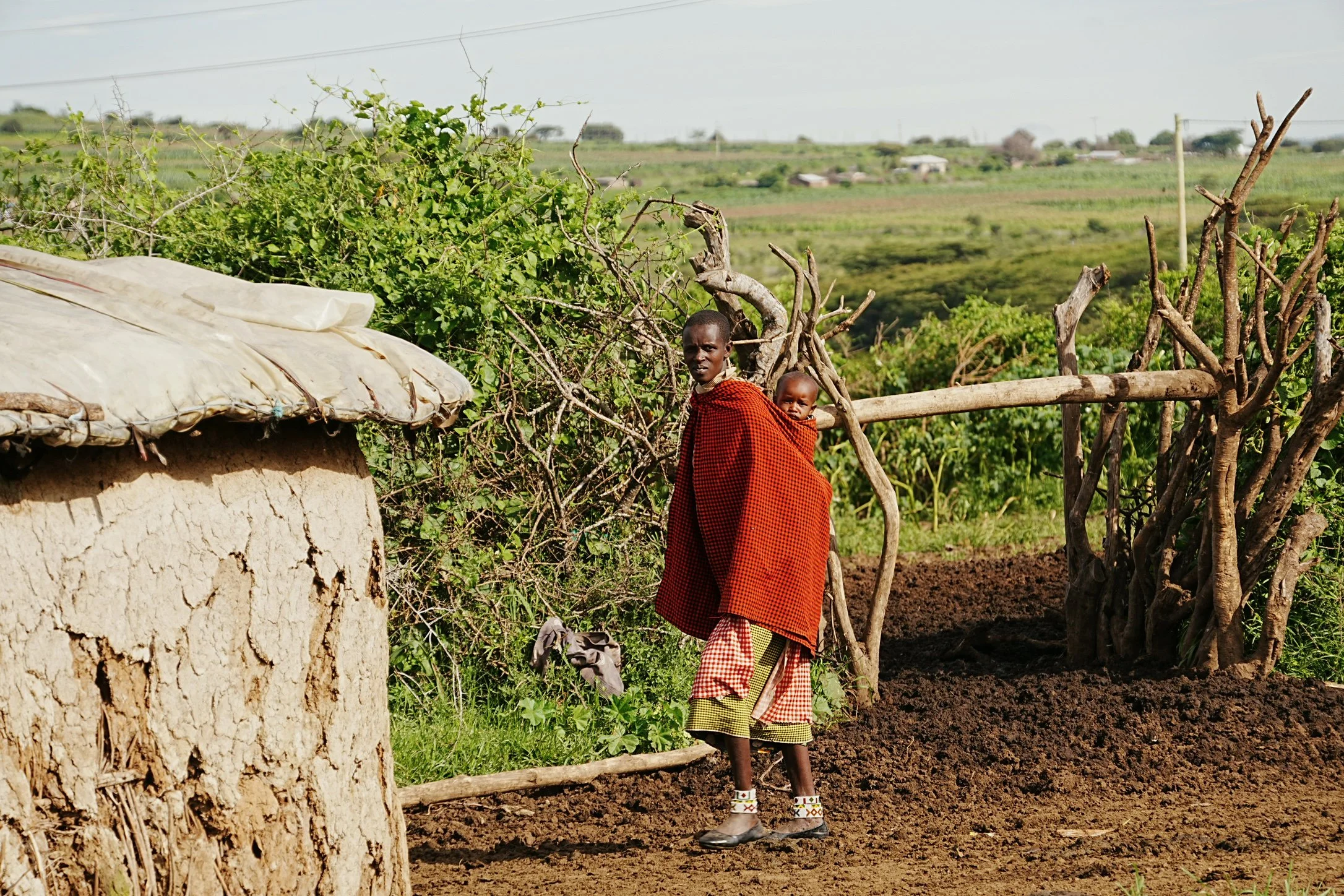
In many of the communities where HFC works, girls face interconnected challenges that can limit their opportunities and put their health, safety, and future at risk. Early marriage, adolescent pregnancy, harmful traditional practices, and barriers to education often reinforce one another, making lasting change difficult when addressed in isolation. HFC takes a community-led approach that recognizes these issues as part of a larger cycle affecting girls and women.
Working alongside families, traditional leaders, educators, and local government officials, HFC facilitates community conversations focused on child protection, girls' rights, legal protections, and the value of educating girls. Through Alternative Rites of Passage (ARP) ceremonies, families are offered a culturally respectful way to celebrate a girl's transition to womanhood without circumcision, while honoring tradition and protecting her health, rights, and future. HFC also promotes advocacy for girls' education, helping communities recognize the long-term benefits of keeping girls in school and supporting them as they pursue their goals.
By engaging entire communities and empowering families with knowledge, support, and practical alternatives, HFC is helping create environments where girls are safe, valued, and able to build brighter futures.
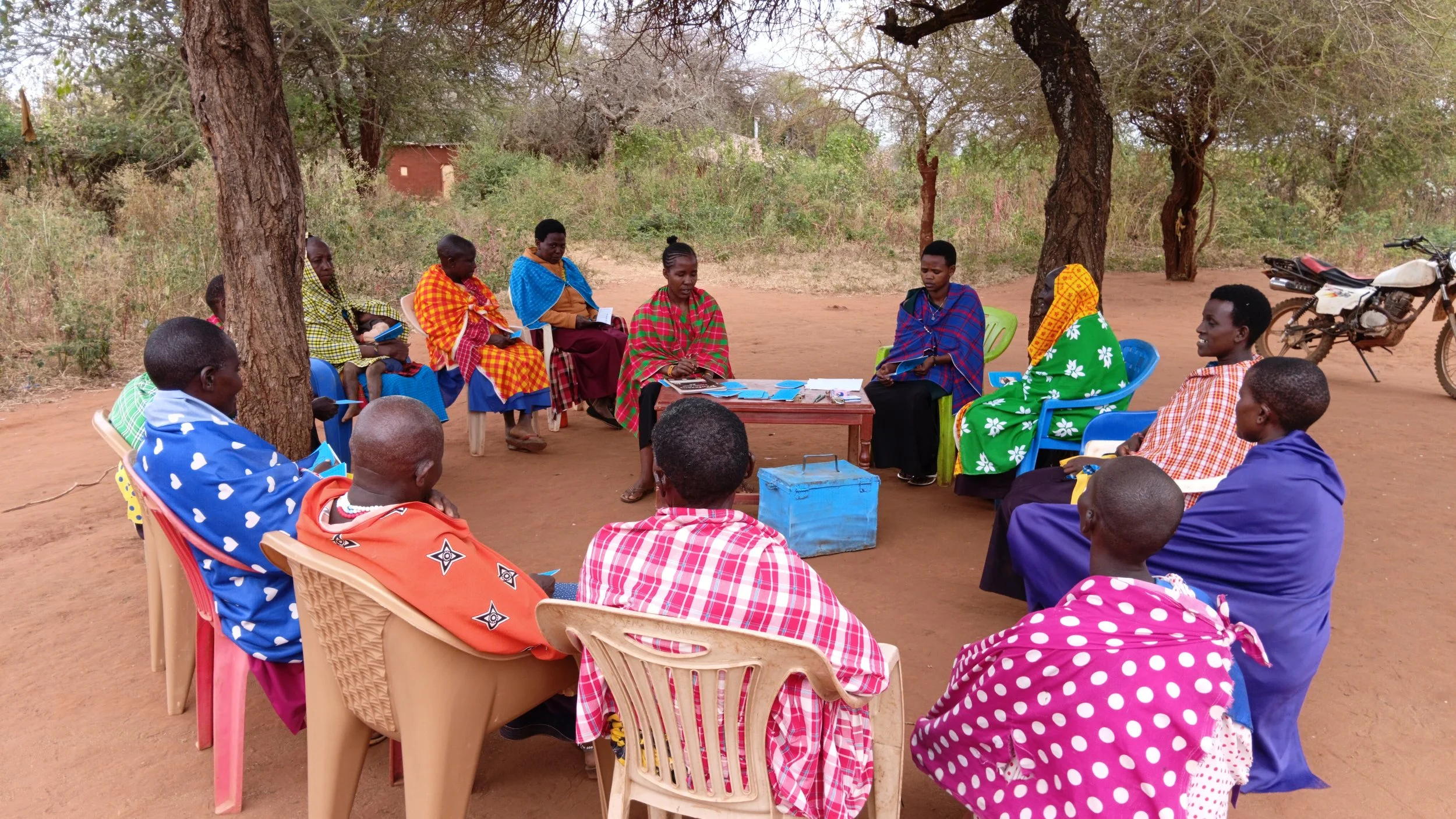
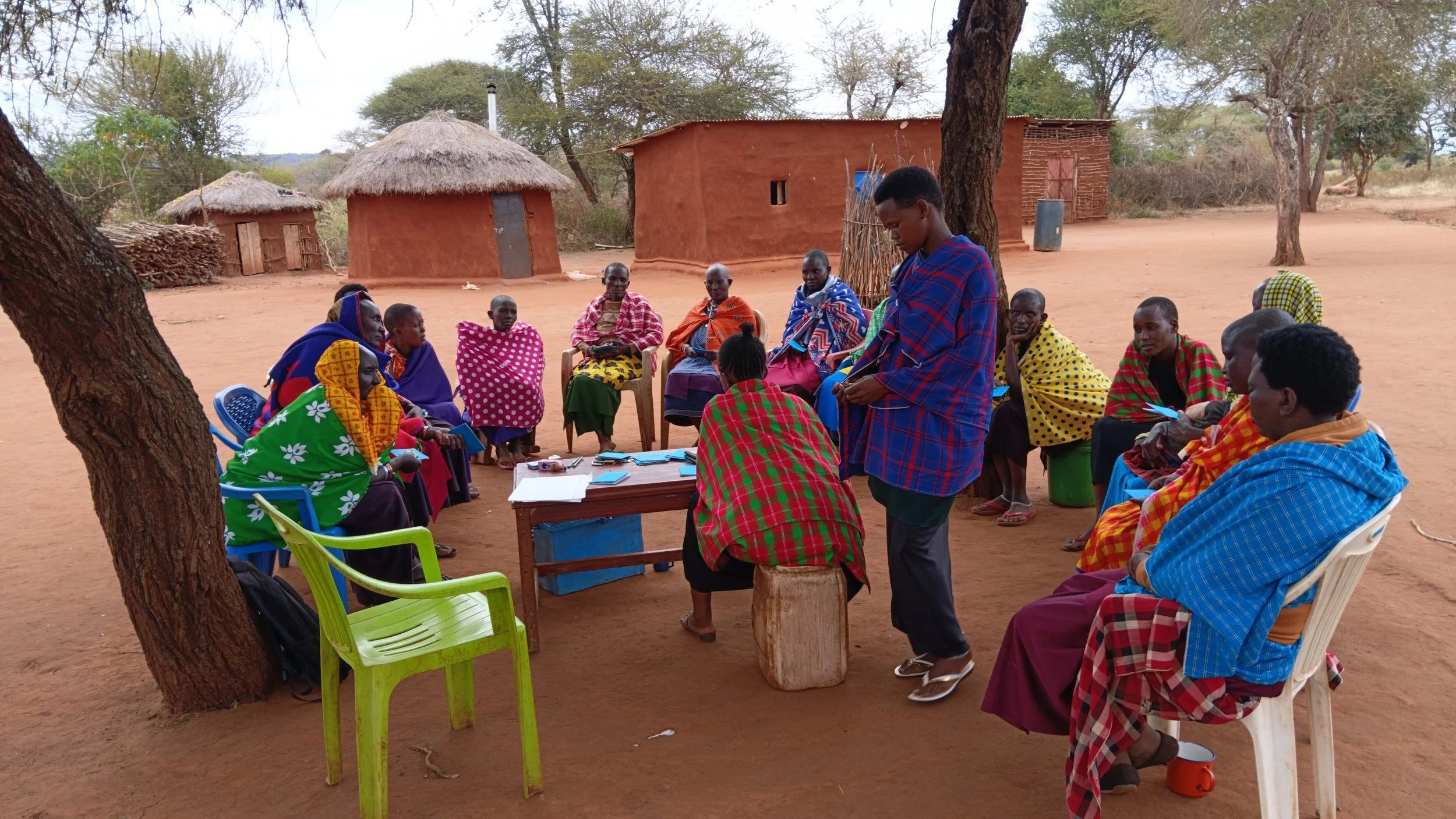
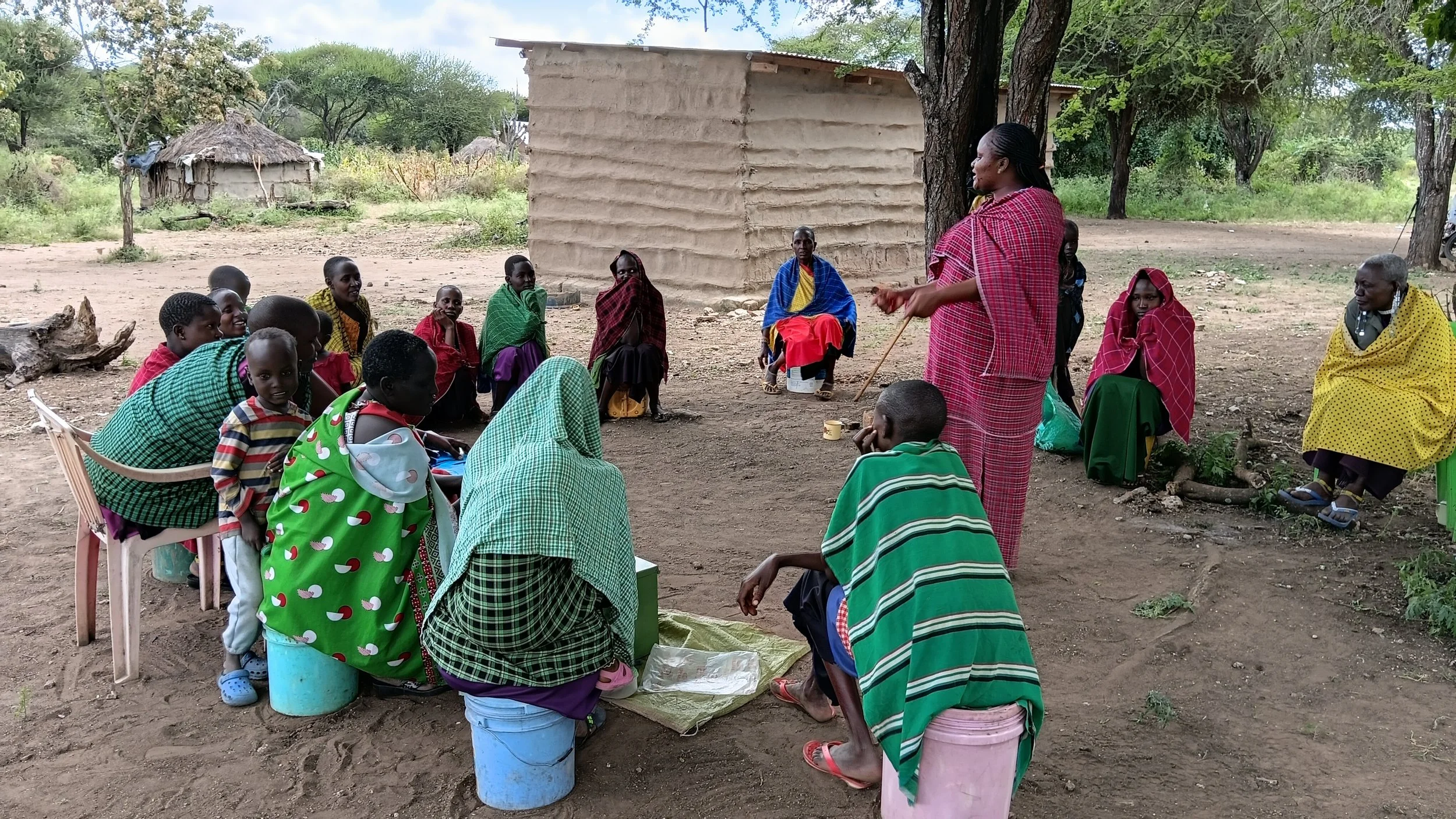
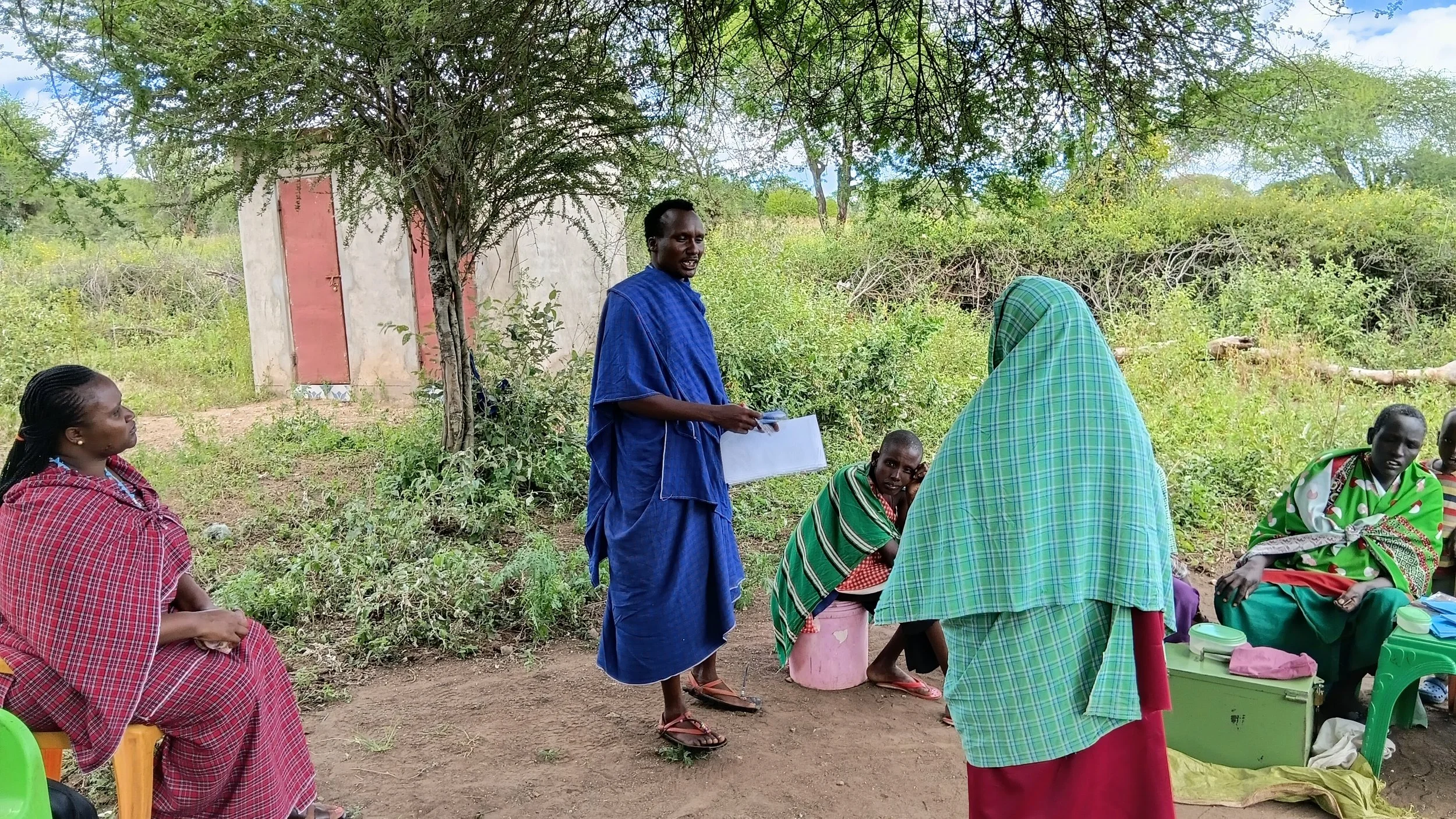
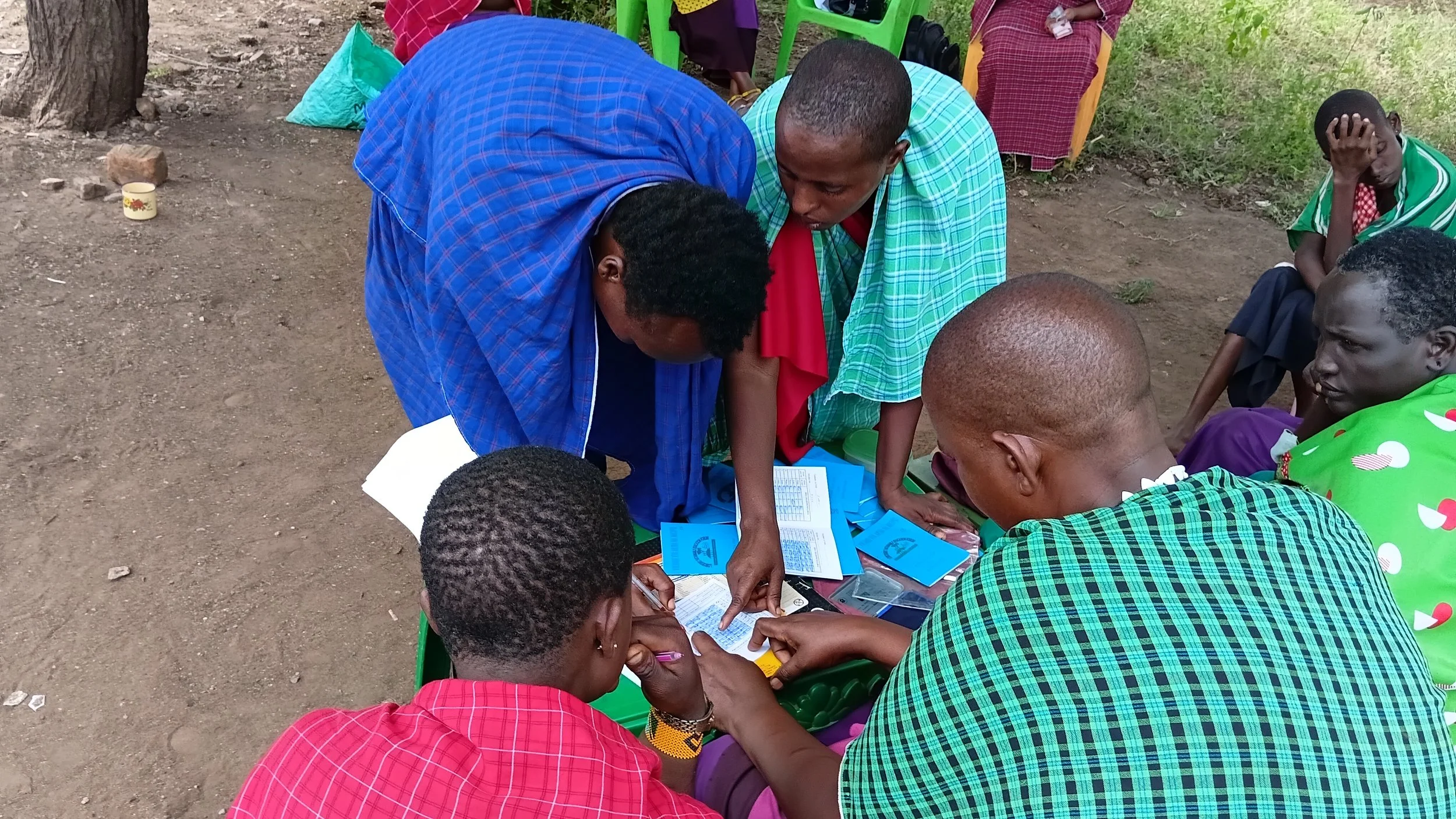
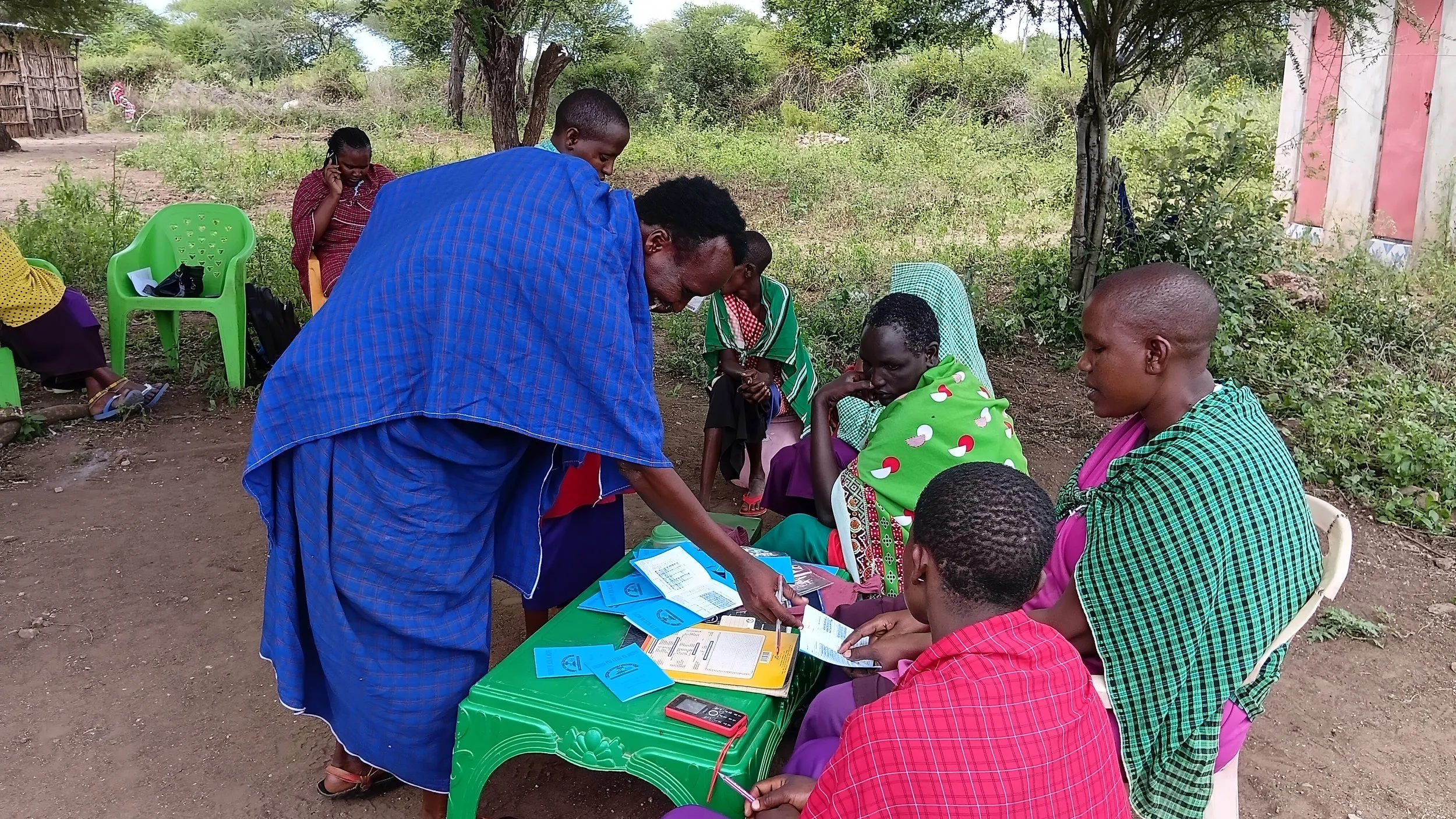
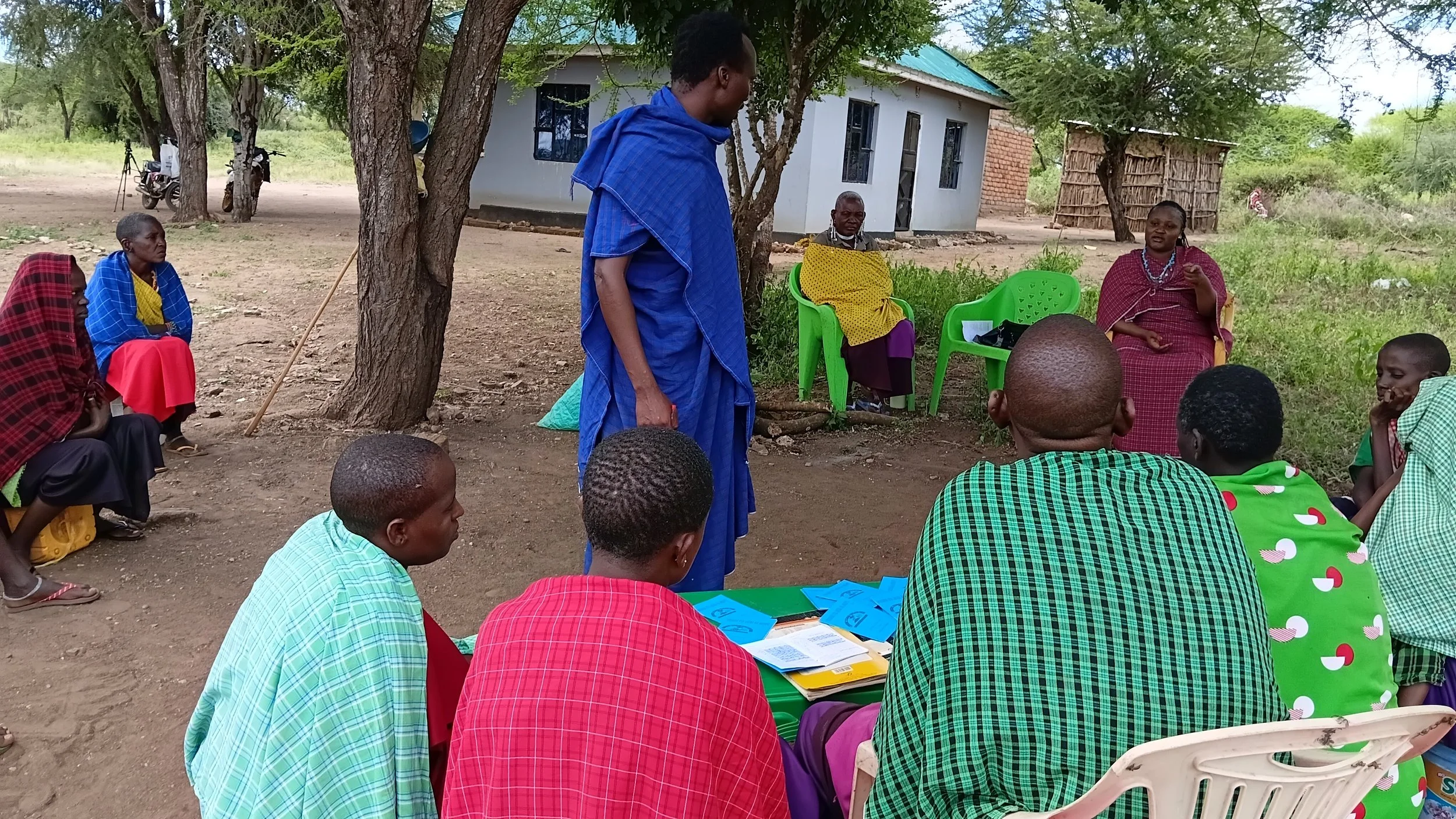
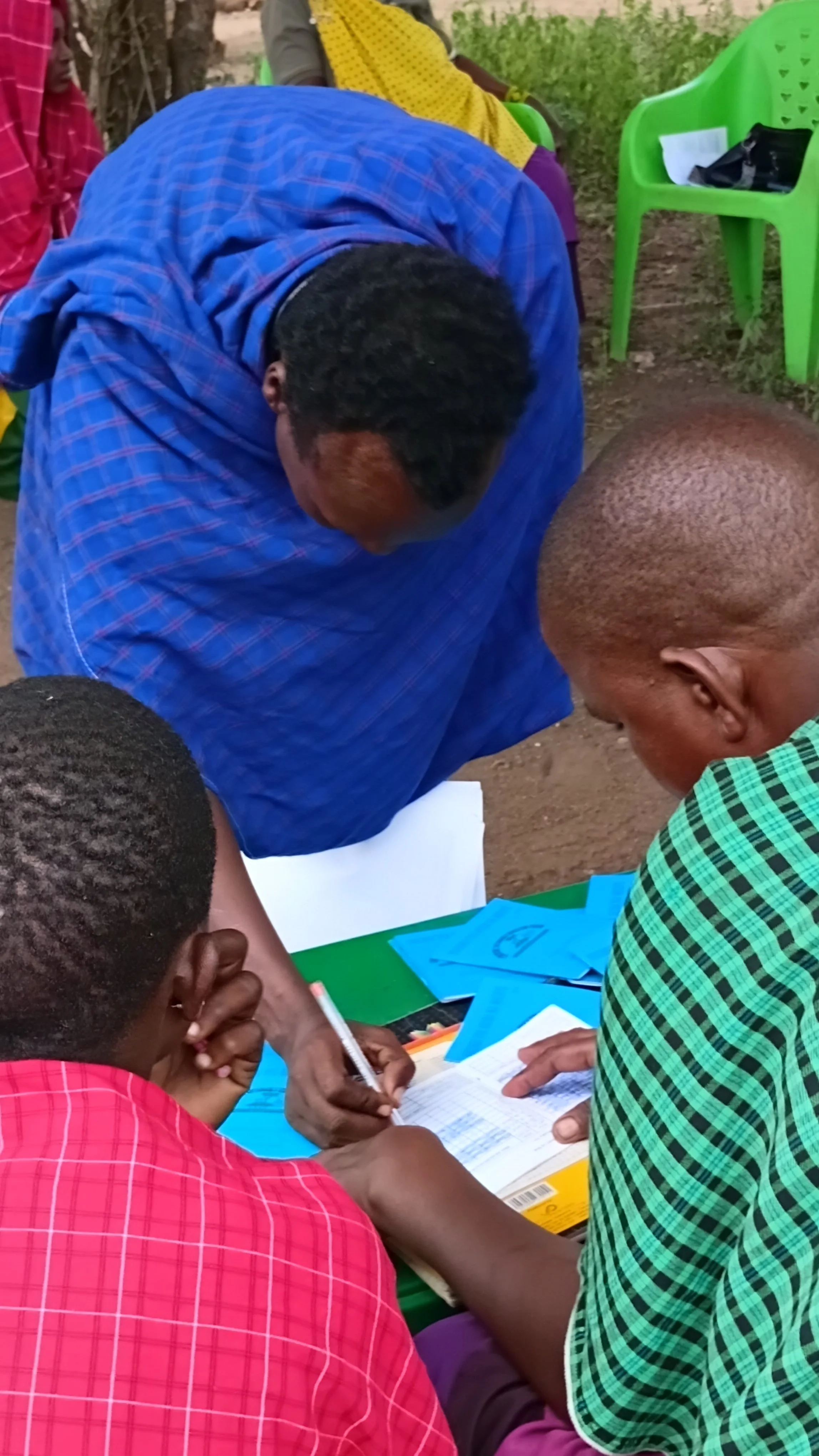
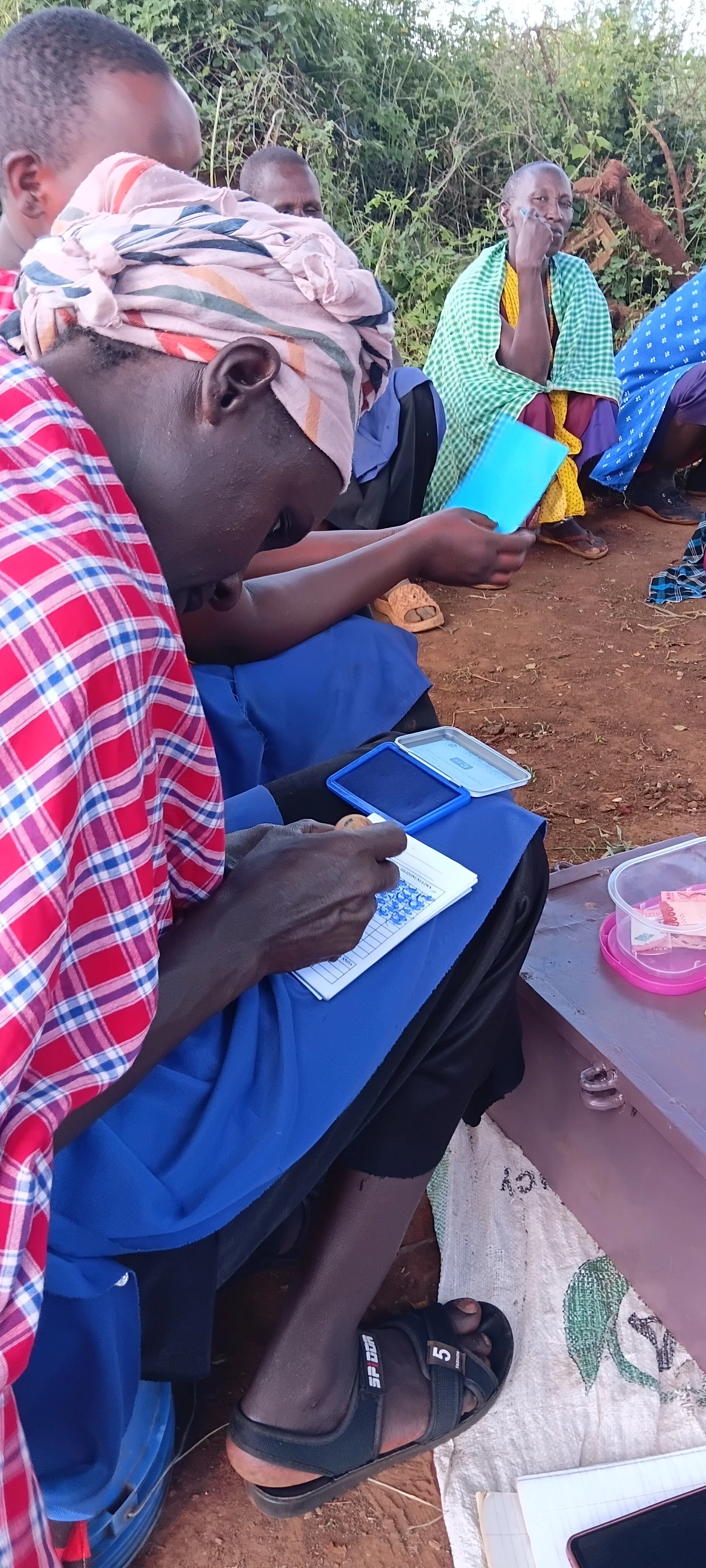
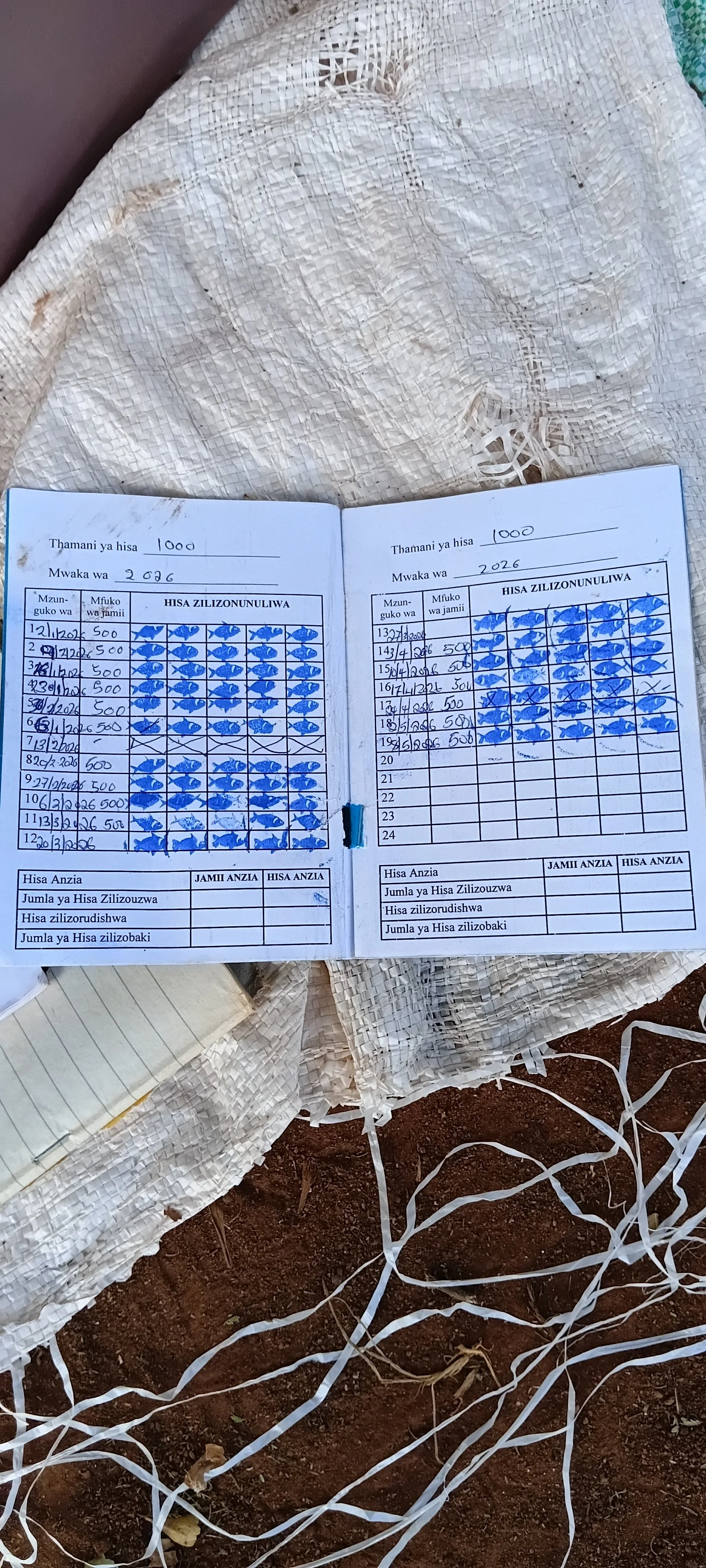
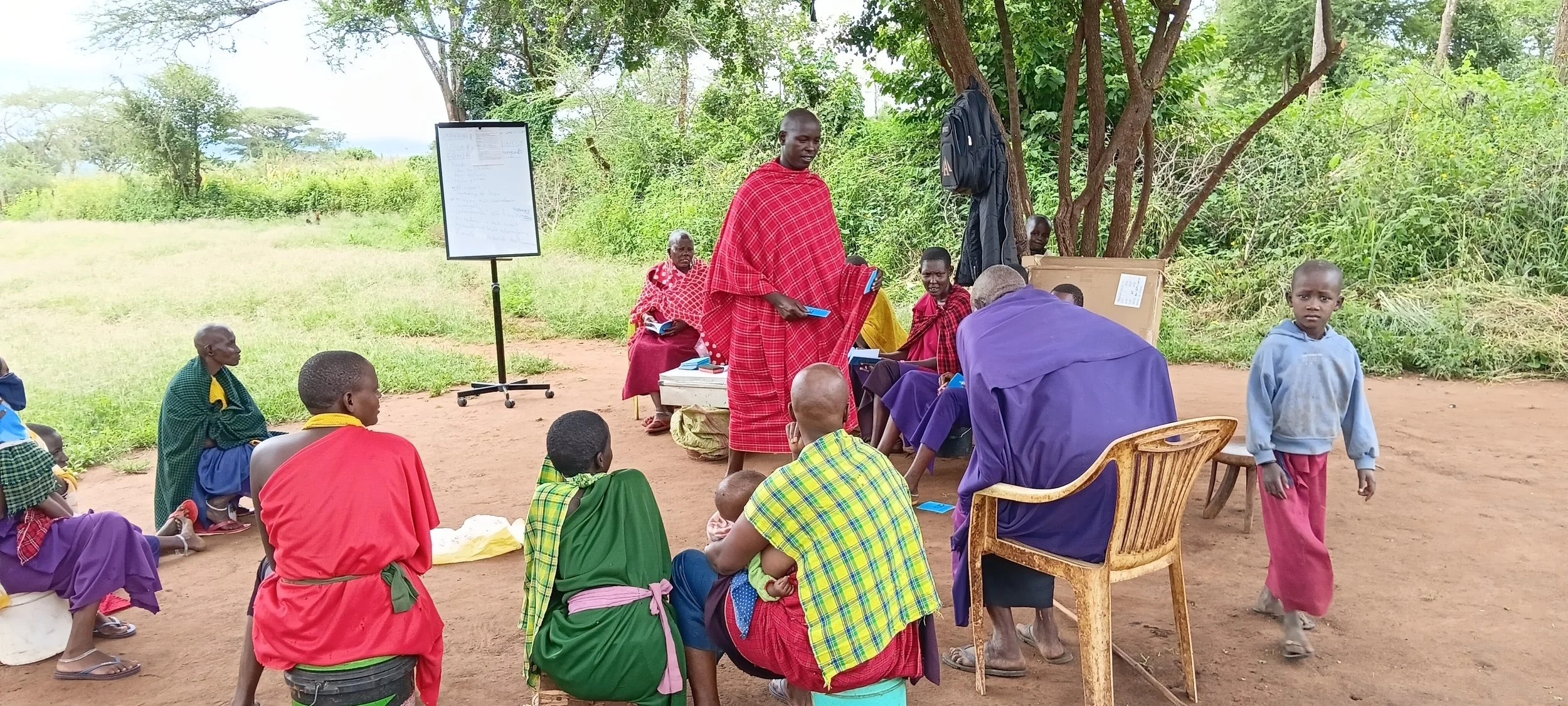
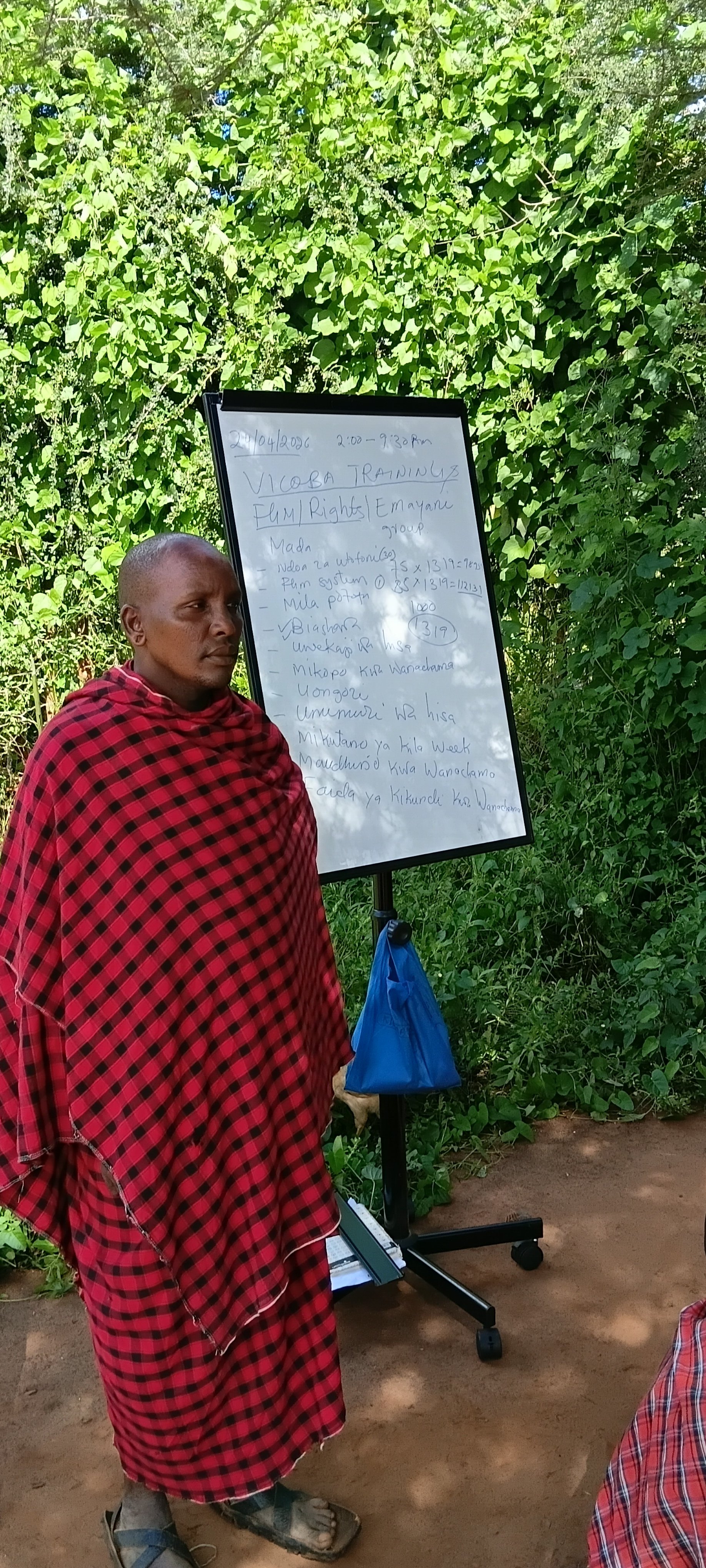
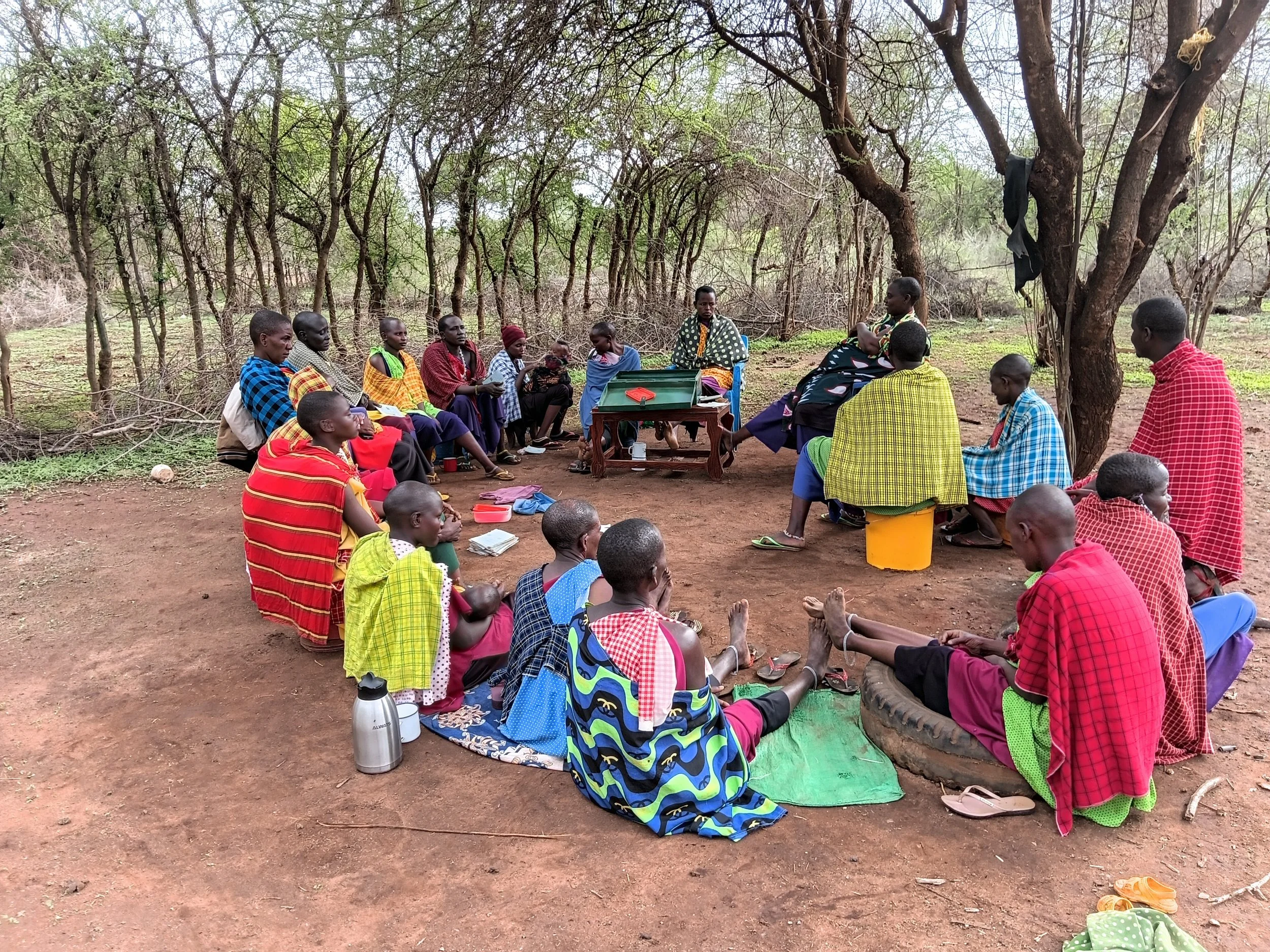
Economic opportunity is a powerful tool for change. In many rural communities, women's ability to make decisions for themselves and their families is closely connected to their access to income, savings, and financial resources. HFC supports Village Community Banks (VICOBA), community-managed savings and lending groups that help women build financial independence, strengthen household resilience, and invest in their futures.
Through VICOBA groups, women pool savings, access small loans, develop financial management skills, and launch income-generating activities. Just as importantly, these groups create supportive networks where women share experiences, encourage one another, and build confidence as community leaders.
HFC's VICOBA program is closely connected to our broader work in women's empowerment, advocacy, and girls' education. As women strengthen their economic standing, they gain greater influence in decisions affecting their households and children, including issues such as girls' education, early marriage, and family well-being. By investing in women, communities are better equipped to create lasting opportunities for the next generation.
One small thought: on the website, I'd consider naming the first project"Community Advocacy for Girls & Women" and the second"Village Community Banks (VICOBA)" so visitors immediately understand what each project is before they begin reading.